CP02 Advance Pathophysiology Week 1 discussion – South University | CP02 Advance Pathophysiology Week 1 discussion
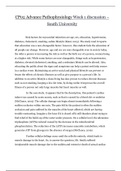
CP02 Advance Pathophysiology Week 1 discussion – South University Risk factors for myocardial infarction are age, sex, education, hypertension, diabetes, cholesterol, smoking, sedate lifestyle (Kiani, 2015). The study read it reports that education was a non-changeable factor; however, this student feels the education of all people can change. However, age and sex are non-changeable even in society today, the older a person is increasing the risk as well as the birth sex of a person, women being at a higher risk. While some factors are non-changeable, things such as hypertension, diabetes, elevated cholesterol, smoking, and a sedentary lifestyle can be altered. Also, educating the public about the signs and symptoms can help a patent seek help sooner in a cardiac event. Maintaining an active social and physical lifestyle can prevent or lessen the effects of chronic illnesses as well as give purpose to a person's life. In addition to an active lifestyle a clean living has also proven to reduce chronic diseases such as not smoking, keeping a low-fat ratio, by doing cardio it improves the overall fitness of a person not only large muscles but heart muscles as well. - - - - - - -- - - - - - just the doctor's job. Education by all staff can help teach patients a health care plan can help the patients live their best, healthiest life. References Ahmed, M. (2017, Febuary 1). Can Heart Diseas Be Reversed? Retrieved from MyHeart.Net : Kiani, F. H. (2015, May 28). Assessment of Risk Factors in Patients With Mycardial Infarction. . Global Journal of health science , pp. vol. 8, dol: 10.5539/gjh.v8n1p255-236. McClance, K. (2019). Pathophysiology . Canada: Elsevier.
Document information
- Uploaded on
- January 28, 2021
- Number of pages
- 4
- Written in
- 2020/2021
- Type
- Other
- Person
- Unknown