

11/3/25, 12:09 PM NUR2513 Exam 3: Modules 7-10 Questions and answers Flashcards | Quizlet
NUR2513 Exam 3: Modules 7-10 Questions and
answers
Save
Terms in this set (161)
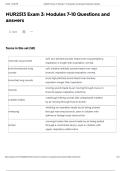
soft, low-pitched sounds, heard over lung periphery;
vesicular lung sounds
inspiration is longer than expiration; normal.
bronchovesicular lung soft, medium-pitched sounds heard over major
sounds bronchi; inspiration equals expiration; normal.
loud, high-pitched sound heard over trachea;
bronchial lung sounds
expiration longer than inspiration.
snoring sound made by air moving through mucus in
rhonchi
bronchi (upper respiratory infection).
crackling/crinkling sounds (like cellophane) created
crackles (rales)
by air moving through fluid in alveoli.
whistling on expiration made by air being pushed
wheezing through narrowed bronchi; seen in children with
asthma or foreign body obstruction.
crowing/rooster-like sound made by air being pulled
stridor through a constricted larynx; seen in children with
upper respiratory obstruction.
https://quizlet.com/1102346620/nur2513-exam-3-modules-7-10-questions-and-answers-flash-cards/?new 1/22
,11/3/25, 12:09 PM NUR2513 Exam 3: Modules 7-10 Questions and answers Flashcards | Quizlet
- airway is narrower, underdeveloped cartilage, less
smooth muscles.
- tongue is larger in proportion to their mouths.
- sphenoid and frontal sinuses fully develop at 3-7
respiratory differences in
years.
children vs. adults
- tonsillar tissue enlargement in early school-aged
children d/t risk for infection in school.
- infants have small nares and are obligate nose-
breathers until 6 months.
- saline nose drops/sprays are used to clear nasal
drainage - water follows salt.
- humidifiers are used to moisten airways and thin
secretions - keep out of reach of children, replace
home care for respiratory
water daily.
illnesses
- OTC cough and cold meds are not recommended
for children younger than 6.
- metered-dose inhalers (MDIs) should be used
w/spacer for better medication administration.
- cause: viral infection.
- management: symptom control & promote
ventilation; nasal saline, clear liquids, humidifier, avoid
allergens, air filters, OTC medications, elevate HOB for
rhinosinusitis better oxygenation and secretion drainage.
- education: supportive and symptomatic treatment,
typical duration, review S/S of worsening illness and
when to seek treatment (high-grade fever, drainage
color change).
obstruction of the posterior nares that prevents
newborns from breathing air in through the nose; ↓
nasopharynx.
- assessment: passing a catheter through the nares or
choanal atresia
closing the infant's mouth and gently compressing the
nostril.
- treatment: piercing membrane, surgery, IV fluids,
glucose support.
https://quizlet.com/1102346620/nur2513-exam-3-modules-7-10-questions-and-answers-flash-cards/?new 2/22
, 11/3/25, 12:09 PM NUR2513 Exam 3: Modules 7-10 Questions and answers Flashcards | Quizlet
infection/inflammation of the throat.
- causes: virus, bacteria, allergies.
pharyngitis - S/S: sore throat, fever, rhinorrhea, cough, malaise.
- viral treatment: oral analgesic, gargling with warm
salt water, adequate hydration.
Infection of the throat.
- cause: Streptococcus pyogenes.
- S/S: strawberry tongue, markedly erythematous,
enlarged tonsils, white exudate in tonsillar crypts,
petechiae on palate, fever, sore throat, headache,
stomach ache, dysphagia, sandpaper-like rash
(scarlatiniform rash), cough, congestion, rhinorrhea,
streptococcal pharyngitis conjunctivitis.
- complications: rheumatic fever, glomerulonephritis.
- assessment: throat culture, rapid antigen testing.
- treatment: penicillin/cephalosporin, supportive care,
tonsillectomy.
- education: able to go back to school after 24-48 hrs
of antibiotics, take full course of antibiotics, replace
toothbrush.
surgical removal of the tonsils.
- postoperative care: keep HOB elevated (drainage),
assess for bleeding (frequent swallowing, clearing of
the throat, restlessness, bright red emesis,
tachycardia, pallor), ice chips/sips of water, clear
liquids after return of gag reflex, avoid red-colored
tonsillectomy
liquids (can mimic bleeding), citrus juice (painful), milk
products (thickens mucus).
- education: get plenty of rest, discourage coughing,
avoid straws, awareness of clots of blood-tinged
mucus in vomit, notify provider if bright red bleeding
occurs.
https://quizlet.com/1102346620/nur2513-exam-3-modules-7-10-questions-and-answers-flash-cards/?new 3/22
NUR2513 Exam 3: Modules 7-10 Questions and
answers
Save
Terms in this set (161)
soft, low-pitched sounds, heard over lung periphery;
vesicular lung sounds
inspiration is longer than expiration; normal.
bronchovesicular lung soft, medium-pitched sounds heard over major
sounds bronchi; inspiration equals expiration; normal.
loud, high-pitched sound heard over trachea;
bronchial lung sounds
expiration longer than inspiration.
snoring sound made by air moving through mucus in
rhonchi
bronchi (upper respiratory infection).
crackling/crinkling sounds (like cellophane) created
crackles (rales)
by air moving through fluid in alveoli.
whistling on expiration made by air being pushed
wheezing through narrowed bronchi; seen in children with
asthma or foreign body obstruction.
crowing/rooster-like sound made by air being pulled
stridor through a constricted larynx; seen in children with
upper respiratory obstruction.
https://quizlet.com/1102346620/nur2513-exam-3-modules-7-10-questions-and-answers-flash-cards/?new 1/22
,11/3/25, 12:09 PM NUR2513 Exam 3: Modules 7-10 Questions and answers Flashcards | Quizlet
- airway is narrower, underdeveloped cartilage, less
smooth muscles.
- tongue is larger in proportion to their mouths.
- sphenoid and frontal sinuses fully develop at 3-7
respiratory differences in
years.
children vs. adults
- tonsillar tissue enlargement in early school-aged
children d/t risk for infection in school.
- infants have small nares and are obligate nose-
breathers until 6 months.
- saline nose drops/sprays are used to clear nasal
drainage - water follows salt.
- humidifiers are used to moisten airways and thin
secretions - keep out of reach of children, replace
home care for respiratory
water daily.
illnesses
- OTC cough and cold meds are not recommended
for children younger than 6.
- metered-dose inhalers (MDIs) should be used
w/spacer for better medication administration.
- cause: viral infection.
- management: symptom control & promote
ventilation; nasal saline, clear liquids, humidifier, avoid
allergens, air filters, OTC medications, elevate HOB for
rhinosinusitis better oxygenation and secretion drainage.
- education: supportive and symptomatic treatment,
typical duration, review S/S of worsening illness and
when to seek treatment (high-grade fever, drainage
color change).
obstruction of the posterior nares that prevents
newborns from breathing air in through the nose; ↓
nasopharynx.
- assessment: passing a catheter through the nares or
choanal atresia
closing the infant's mouth and gently compressing the
nostril.
- treatment: piercing membrane, surgery, IV fluids,
glucose support.
https://quizlet.com/1102346620/nur2513-exam-3-modules-7-10-questions-and-answers-flash-cards/?new 2/22
, 11/3/25, 12:09 PM NUR2513 Exam 3: Modules 7-10 Questions and answers Flashcards | Quizlet
infection/inflammation of the throat.
- causes: virus, bacteria, allergies.
pharyngitis - S/S: sore throat, fever, rhinorrhea, cough, malaise.
- viral treatment: oral analgesic, gargling with warm
salt water, adequate hydration.
Infection of the throat.
- cause: Streptococcus pyogenes.
- S/S: strawberry tongue, markedly erythematous,
enlarged tonsils, white exudate in tonsillar crypts,
petechiae on palate, fever, sore throat, headache,
stomach ache, dysphagia, sandpaper-like rash
(scarlatiniform rash), cough, congestion, rhinorrhea,
streptococcal pharyngitis conjunctivitis.
- complications: rheumatic fever, glomerulonephritis.
- assessment: throat culture, rapid antigen testing.
- treatment: penicillin/cephalosporin, supportive care,
tonsillectomy.
- education: able to go back to school after 24-48 hrs
of antibiotics, take full course of antibiotics, replace
toothbrush.
surgical removal of the tonsils.
- postoperative care: keep HOB elevated (drainage),
assess for bleeding (frequent swallowing, clearing of
the throat, restlessness, bright red emesis,
tachycardia, pallor), ice chips/sips of water, clear
liquids after return of gag reflex, avoid red-colored
tonsillectomy
liquids (can mimic bleeding), citrus juice (painful), milk
products (thickens mucus).
- education: get plenty of rest, discourage coughing,
avoid straws, awareness of clots of blood-tinged
mucus in vomit, notify provider if bright red bleeding
occurs.
https://quizlet.com/1102346620/nur2513-exam-3-modules-7-10-questions-and-answers-flash-cards/?new 3/22


