
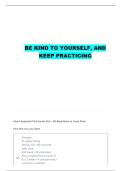
Insulin Approach Post Insulin Drip - SQ Basal Bolus or Usual Dose
Give this one a try later!
Example:
Pt weighs 100 kg
100 kg x 0.5 = 50 units total
daily dose
50% basal = 25 units basal
Plus correction bolus insulin or
meals = 8 units per meal +
correction if needed
, Give Sub-q insulin at least 2 hours before stopping insulin drip
**If frail elderly may consider just basal insulin. If already on insulin therapy,
can resume usual dose. Watch for hypoglycemia.
Caregiver education about pumps
Give this one a try later!
Hypo detection /treatment
Hyperglycemia trouble shooting
Basic bolus procedure
Cartridge set change process
Understand what alarms mean
History recall
Atherosclerotic cardiovascular disease (ASCVD) Risk Factors
Give this one a try later!
Smoking
Overweight and obesity
Physical inactivity
Diabetes
Hypertension
Dyslipidemia
Family history of premature coronary disease
Chronic kidney disease
Presence of albuminuria
, **Assess risk factors at least annually**
Continuous Glucose Monitors
Give this one a try later!
Measures interstitial fluid to determine BG - correlates with plasma
glucose, Report glucose in real time or intermittent "flash" scanning (isCGM
- Freestyle Libre)
Tiny sensor under skin sends BG levels wirelessly to a pump, smartphone or
other device
Lowers A1c ~0.26% (compared to SMBG)
Consider CGM in children to adults
Useful tool in those frequent hypoglycemia or hypoglycemia unawareness
(alarm features)
Measures percent of time in, above and below range
Given variable adherence to CGM, assess individual readiness
Significant reductions in hypoglycemia Type 1
38% reduction of overall hypo
40% reduction of nighttime hypo
Type 2 less hypo too
43% reduction overall hypo
54% reduction in nighttime hypo
Exercise Guidelines Type 1 | Hypo
Give this one a try later!
, Preexercise glucose target 90-250 mg/dL
Strategies to prevent exercise related hypo:
Reduce prandial insulin dosing for the meal/snack preceding (and, if
needed, following) exercise
Reduce basal insulin dose on heavy exercise days
Decrease pump basal rate by 10-50% during and a few hours after exercise,
put pump on exercise or suspend mode
Increase peri exercise carb intake, eating bedtime snacks, and/or using
continuous glucose monitoring.
Carb coverage before or during activity
If fasting, 10-15 g of carb for low-to-moderate intensity aerobic activities
(30-60 min)
Consider 0.5-1.0 g of carbohydrates/kg per minute of exercise (30-60 g)
Case Study: Larry
Give this one a try later!
Larry takes metformin 1000mg BID, insulin glargine 50 units once daily,
empagliflozin 10mg daily. His A1C is 7.8%. He weights 90kg. FBG averages
100mg/dL. PP breakfast=190mg/dL, PP lunch=210mg/dL, and PP dinner is
240mg/dL.
What is the best recommendation for an agent to add to the regimen to
achieve A1C target?
B. Initiate insulin aspart 5 units with all meals, decrease insulin glargine to
35 units daily (subtract bolus from long-acting by 30% and add 10% basal
to each meal = 5 units per meal so total insulin remains 50 units)
Insulin Pump adjustments
Give this one a try later!
Example:
Pt weighs 100 kg
100 kg x 0.5 = 50 units total
daily dose
50% basal = 25 units basal
Plus correction bolus insulin or
meals = 8 units per meal +
correction if needed
, Give Sub-q insulin at least 2 hours before stopping insulin drip
**If frail elderly may consider just basal insulin. If already on insulin therapy,
can resume usual dose. Watch for hypoglycemia.
Caregiver education about pumps
Give this one a try later!
Hypo detection /treatment
Hyperglycemia trouble shooting
Basic bolus procedure
Cartridge set change process
Understand what alarms mean
History recall
Atherosclerotic cardiovascular disease (ASCVD) Risk Factors
Give this one a try later!
Smoking
Overweight and obesity
Physical inactivity
Diabetes
Hypertension
Dyslipidemia
Family history of premature coronary disease
Chronic kidney disease
Presence of albuminuria
, **Assess risk factors at least annually**
Continuous Glucose Monitors
Give this one a try later!
Measures interstitial fluid to determine BG - correlates with plasma
glucose, Report glucose in real time or intermittent "flash" scanning (isCGM
- Freestyle Libre)
Tiny sensor under skin sends BG levels wirelessly to a pump, smartphone or
other device
Lowers A1c ~0.26% (compared to SMBG)
Consider CGM in children to adults
Useful tool in those frequent hypoglycemia or hypoglycemia unawareness
(alarm features)
Measures percent of time in, above and below range
Given variable adherence to CGM, assess individual readiness
Significant reductions in hypoglycemia Type 1
38% reduction of overall hypo
40% reduction of nighttime hypo
Type 2 less hypo too
43% reduction overall hypo
54% reduction in nighttime hypo
Exercise Guidelines Type 1 | Hypo
Give this one a try later!
, Preexercise glucose target 90-250 mg/dL
Strategies to prevent exercise related hypo:
Reduce prandial insulin dosing for the meal/snack preceding (and, if
needed, following) exercise
Reduce basal insulin dose on heavy exercise days
Decrease pump basal rate by 10-50% during and a few hours after exercise,
put pump on exercise or suspend mode
Increase peri exercise carb intake, eating bedtime snacks, and/or using
continuous glucose monitoring.
Carb coverage before or during activity
If fasting, 10-15 g of carb for low-to-moderate intensity aerobic activities
(30-60 min)
Consider 0.5-1.0 g of carbohydrates/kg per minute of exercise (30-60 g)
Case Study: Larry
Give this one a try later!
Larry takes metformin 1000mg BID, insulin glargine 50 units once daily,
empagliflozin 10mg daily. His A1C is 7.8%. He weights 90kg. FBG averages
100mg/dL. PP breakfast=190mg/dL, PP lunch=210mg/dL, and PP dinner is
240mg/dL.
What is the best recommendation for an agent to add to the regimen to
achieve A1C target?
B. Initiate insulin aspart 5 units with all meals, decrease insulin glargine to
35 units daily (subtract bolus from long-acting by 30% and add 10% basal
to each meal = 5 units per meal so total insulin remains 50 units)
Insulin Pump adjustments


