10/30/25, 6:28 PM NSG3450 EXAM 2 Flashcards | Quizlet
Science Medicine Nursing
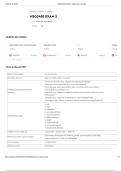
NSG3450 EXAM 2
Leave the first rating
Save
Students also studied
abbreviations and conversions SAS Parenteral Meds n Integum
61 terms 27 terms 10 terms 11 terms
natasha110 Preview oliviapoquette Preview geainsha Preview Cha
Terms in this set (199)
Data from the patient primary sources
Secondary sources data from other people or sources
H Home environment (e.g., relations with parents and siblings)
E Education and employment (e.g., school performance)
A Activities (e.g., sports participation, after-school activities, peer relations)
HEADSSS psychosocial interview D Drug, alcohol, or tobacco use
technique S Sexuality (e.g., whether the patient is sexually active, practices safe sex, or uses
contraception)
S Suicide risk or symptoms of depression or other mental disorder
S "Savagery" (e.g., violence or abuse in home environment or in neighborhood)
S- sex
A- age
D- depression
P- previously attempt
E- Excessive alcohol
SADPERSONS scale
R- Rational thinking
S- Single
O- Organized plan
N- No social supports
S- Stated future attempts
Problem focuses diagnosis current state + related factors + Evidence
environment, developmental variations, gender, personal space, territoriality,
What factors affect communication?
sociocultural factors, roles and relationships
One has power complementary
Both have power symmetrical
https://quizlet.com/815835424/nsg3450-exam-2-flash-cards/ 1/8
, 10/30/25, 6:28 PM NSG3450 EXAM 2 Flashcards | Quizlet
1) ACTIVE LISTENING - Shows clients that they have your undivided attention
2) OPEN-ENDED QUESTIONS - Used initially to encourage clients to tell their story
in their own way. Ask questions in a language that a client can understand
Therapeutic Communication Techniques
3) CLARIFYING - Questioning clients about specific details in greater depth or
directing them toward relevant parts of the history.
4) SUMMARIZING - Validates the accuracy of the story.
Communication style, eye contact and are cultural considerations
touch
Clarifying techniques paraphrasing, restating, reflecting, exploring
Arguing, minimizing, or challenging the patient
Giving false reassurance
Interpreting or speculating
Tactics to avoid Probing into sensitive areas the patient doesn't want to discuss
Trying to "sell" the patient on accepting treatment
Joining in attacks patients launch on others
Participation in criticizing other staff members
study of personal space:
Intimate distance (0 to 18 inches)
Proxemics Personal distance (18 to 40 inches)
Social distance (4 to 12 feet)
Public distance (12 feet or more)
-Written record of a segment of the nurse-patient session that reflects as closely as
process of recording possible the verbal and nonverbal behaviors of both patient and nurse
-Useful tool for identifying communication patterns
facilitate expression of distressing thoughts and feelings
assist with problem solving
facilitate with ADL
Goals and functions of the nurse-patient
promote self care and independence
relationship
provide medication education
promote recovery
model and respect boundaries
exist to protect patients
expected and accepted
Boundaries
transference and countertransference
differential power between the nurse and the patient
be genuine
Factors to encourage and promote
empathy
patients growth
positive regard
- Heterogenous group
- Homogeneous
group membership - Closed group
- Open group
- Subgroup
aggressor, blocker, recognition seeker, self-confessor, playboy, dominator, help
Individual group roles
seeker, special interest pleader
exerts control over the group and does not autocratic leader
encourage much interaction among
members
Supports extensive group interaction in the democratic leader
process of problem solving
https://quizlet.com/815835424/nsg3450-exam-2-flash-cards/ 2/8
Science Medicine Nursing
NSG3450 EXAM 2
Leave the first rating
Save
Students also studied
abbreviations and conversions SAS Parenteral Meds n Integum
61 terms 27 terms 10 terms 11 terms
natasha110 Preview oliviapoquette Preview geainsha Preview Cha
Terms in this set (199)
Data from the patient primary sources
Secondary sources data from other people or sources
H Home environment (e.g., relations with parents and siblings)
E Education and employment (e.g., school performance)
A Activities (e.g., sports participation, after-school activities, peer relations)
HEADSSS psychosocial interview D Drug, alcohol, or tobacco use
technique S Sexuality (e.g., whether the patient is sexually active, practices safe sex, or uses
contraception)
S Suicide risk or symptoms of depression or other mental disorder
S "Savagery" (e.g., violence or abuse in home environment or in neighborhood)
S- sex
A- age
D- depression
P- previously attempt
E- Excessive alcohol
SADPERSONS scale
R- Rational thinking
S- Single
O- Organized plan
N- No social supports
S- Stated future attempts
Problem focuses diagnosis current state + related factors + Evidence
environment, developmental variations, gender, personal space, territoriality,
What factors affect communication?
sociocultural factors, roles and relationships
One has power complementary
Both have power symmetrical
https://quizlet.com/815835424/nsg3450-exam-2-flash-cards/ 1/8
, 10/30/25, 6:28 PM NSG3450 EXAM 2 Flashcards | Quizlet
1) ACTIVE LISTENING - Shows clients that they have your undivided attention
2) OPEN-ENDED QUESTIONS - Used initially to encourage clients to tell their story
in their own way. Ask questions in a language that a client can understand
Therapeutic Communication Techniques
3) CLARIFYING - Questioning clients about specific details in greater depth or
directing them toward relevant parts of the history.
4) SUMMARIZING - Validates the accuracy of the story.
Communication style, eye contact and are cultural considerations
touch
Clarifying techniques paraphrasing, restating, reflecting, exploring
Arguing, minimizing, or challenging the patient
Giving false reassurance
Interpreting or speculating
Tactics to avoid Probing into sensitive areas the patient doesn't want to discuss
Trying to "sell" the patient on accepting treatment
Joining in attacks patients launch on others
Participation in criticizing other staff members
study of personal space:
Intimate distance (0 to 18 inches)
Proxemics Personal distance (18 to 40 inches)
Social distance (4 to 12 feet)
Public distance (12 feet or more)
-Written record of a segment of the nurse-patient session that reflects as closely as
process of recording possible the verbal and nonverbal behaviors of both patient and nurse
-Useful tool for identifying communication patterns
facilitate expression of distressing thoughts and feelings
assist with problem solving
facilitate with ADL
Goals and functions of the nurse-patient
promote self care and independence
relationship
provide medication education
promote recovery
model and respect boundaries
exist to protect patients
expected and accepted
Boundaries
transference and countertransference
differential power between the nurse and the patient
be genuine
Factors to encourage and promote
empathy
patients growth
positive regard
- Heterogenous group
- Homogeneous
group membership - Closed group
- Open group
- Subgroup
aggressor, blocker, recognition seeker, self-confessor, playboy, dominator, help
Individual group roles
seeker, special interest pleader
exerts control over the group and does not autocratic leader
encourage much interaction among
members
Supports extensive group interaction in the democratic leader
process of problem solving
https://quizlet.com/815835424/nsg3450-exam-2-flash-cards/ 2/8