Key studies: Social Influence (1)
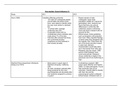
Study AO1 AO3
Asch (1956) Variables affecting conformity - Biased sample of male
- 123 male US undergrads seated undergrads- study lacks
around table and shown three population validity as if cannot be
lines, were asked to identify which generalised. Also, research has
line was most similar to standard found that there are cultural
line. differences in conformity with
- 12 critical trails- average collectivist cultures conforming
conformity was 33% more and Asch’s research did not
- Conducted control with no account for this
confederates where mistakes were - Ethical issues- broke guidelines
made about 1% of the time such as deception and protection
- Interview after showed that those from harm. Many reported feelings
who conformed showed of stress when they disagreed with
compliance as they believed in the majority. But, if they knew the
their answer privately aim of the study and that it wasn’t
a vision test, demand
characteristics would take place.
Asch interviewed them after also.
- Research may be unique- 1956
period of McCarthyism (anti-
communist period). Research
shows conformity is higher if the
perceived cost of not conforming is
high.
Stanford Prison Experiment (Zimbardo, - Mock prison in psych dept of - Contradictory research: BBC
Haney et al 1973) Stanford University, California, prison study (Reicher and Haslam,
USA. 2006). 15 male participants. Found
- 24 male volunteers selected after that conformity was not as
being screened for the most automatic. Guards failed to identify
psychologically and physically able with their role and the
and randomly assigned to prisoner prisoner/guard system collapsed.
or guard - Ethical issues- Zimbardo took on
Study AO1 AO3
Asch (1956) Variables affecting conformity - Biased sample of male
- 123 male US undergrads seated undergrads- study lacks
around table and shown three population validity as if cannot be
lines, were asked to identify which generalised. Also, research has
line was most similar to standard found that there are cultural
line. differences in conformity with
- 12 critical trails- average collectivist cultures conforming
conformity was 33% more and Asch’s research did not
- Conducted control with no account for this
confederates where mistakes were - Ethical issues- broke guidelines
made about 1% of the time such as deception and protection
- Interview after showed that those from harm. Many reported feelings
who conformed showed of stress when they disagreed with
compliance as they believed in the majority. But, if they knew the
their answer privately aim of the study and that it wasn’t
a vision test, demand
characteristics would take place.
Asch interviewed them after also.
- Research may be unique- 1956
period of McCarthyism (anti-
communist period). Research
shows conformity is higher if the
perceived cost of not conforming is
high.
Stanford Prison Experiment (Zimbardo, - Mock prison in psych dept of - Contradictory research: BBC
Haney et al 1973) Stanford University, California, prison study (Reicher and Haslam,
USA. 2006). 15 male participants. Found
- 24 male volunteers selected after that conformity was not as
being screened for the most automatic. Guards failed to identify
psychologically and physically able with their role and the
and randomly assigned to prisoner prisoner/guard system collapsed.
or guard - Ethical issues- Zimbardo took on