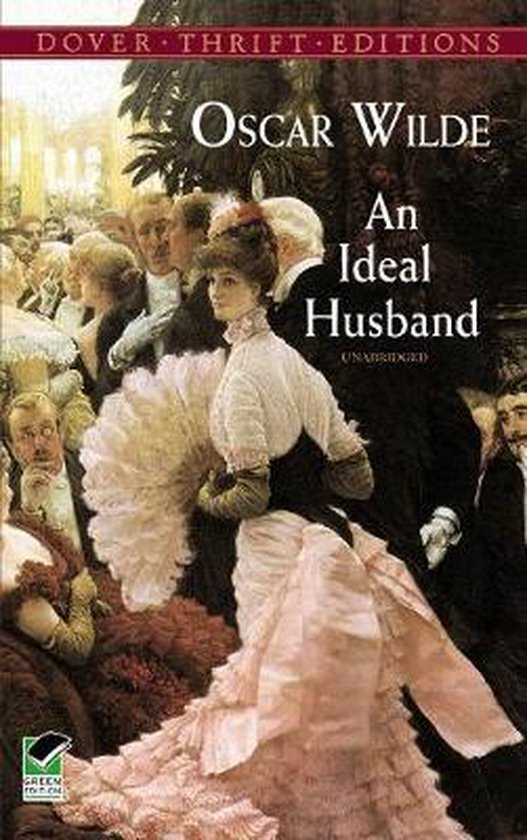
In An Ideal Husband Wilde exposes lies, secrecy and deceit through the exposure of the past crimes
of Sir Robert Chiltern which he attempts to hide. The character of Mrs Cheveley threatens to expose
Chiltern’s hypocrisy and dishonour by threatening him with blackmail. He also explores these
themes via other characters and their immoral actions and secrecy. In the late Victorian era, there
was a ‘moral mania’ which led to scandal and exposure of many prominent people. Wilde ridicules
puritan morality in his play. Wilde himself led a life of secrets and lies and suffered first-hand the
moral hysteria of the time. He therefore explores these ideas through immoral characters and
storylines in his play.
Wilde explores the theme of hidden truths through various storylines such as the origin of Sir Robert
Chiltern’s wealth. Mrs Cheveley finds out that he “sold a cabinet secret for secret for a large sum of
money,” and proceeds to blackmail him into investing in a fraudulent canal scheme in exchange for
giving him the evidence she has against him. Oscar Wilde was also blackmailed after someone found
a love letter which he sent to the man he was having an affair with- Bosie. They demanded money
but Wilde refused, it could have seriously damaged his reputation but luckily it was not pursued.
Robert Chiltern, however, is so concerned about his reputation that he initially agrees to get
parliament to back the scheme that Mrs Cheveley invested in. In Victorian society, reputation was
very important and therefore Wilde conveys this through Robert’s willingness to protect his image,
even if it will cost him in other ways. Wilde is showing that the more society upholds harsh moral
values, the more likely it is that people in the public eye will crumble under charges of impropriety.
Not meaning that immorality or criminal behaviour is acceptable, but Wilde means is that an
exaggerated attachment to moral purity leads to social ills and not social good. Robert Chiltern
defends himself to Goring saying, “Men who every day do something of the same kind themselves.
Men who, each one of them, have worse secrets in their own lives,” suggesting that he is no worse
than other men who have done similar things, he was just unfortunate because his was to be made
public knowledge. Wilde is hereby saying that people such as politicians who conform and project
themselves as paragons of good are hypocrites. They, like Chiltern, have things they need to hide,
whether in their past or in their present. Chiltern was just unfortunate in that he did not hide it was
well as the others. Wilde is implying that if secrets are buried it does not make you immoral. Moral
mania was important in Victorian society and consequently caused people to hide parts of
themselves to uphold their reputations. This could link to Wilde’s secret life regarding his affair with
a man, something that would definitely ruin his reputation if it were to be made public knowledge,
which it eventually did.
Mrs Cheveley does, however, say “…everyone has to pose as a paragon of purity…” suggesting that
she too has a dark past which could also ruin her reputation. It could also imply that she too agrees
that society has created unrealistic reputations for those with wealth or power, causing people to
hide their secrets. It also foreshadows her secrets regarding the brooch that Lord Goring found after
the party in Act 1. The stolen brooch shows that she too has a secret life and therefore shows that
‘everybody’ has their secrets and they use them against each other. The brooch also links to beauty
and aestheticism which Wilde had an interest in. The brooch also links to beauty and aestheticism
which Wilde had an interest in. The brooch and Robert’s letter to Baron Arnheim they represent the
unmistakable incarnation of moral ambiguity. Both Sir Chiltern and Mrs Cheveley try to dismiss the
moral implications of their scandals and both are cowered by the shame of actual evidence. This
therefore links to the theme of hidden truths always being revealed in the end. When Mrs Cheveley
is blackmailing Robert, she says, “sooner or later we all have to pay for what we do” which
foreshadows the revelation of the stolen brooch. This again links to the theme of deceit and lies
always being revealed. Mrs Cheveley’s distress could actually be the fear of public disgrace rather
than shame or guilt. This again shows how important reputation was to the upper class in Victorian
England. An Ideal Husband explores ideology or purity which is related to its message about the
obsession with perfection and upholding reputations. Lady Chiltern wants an ideal husband, which is
a man who fulfils his husbandly role perfectly. She thinks this is what she has in Sir Robert and when
of Sir Robert Chiltern which he attempts to hide. The character of Mrs Cheveley threatens to expose
Chiltern’s hypocrisy and dishonour by threatening him with blackmail. He also explores these
themes via other characters and their immoral actions and secrecy. In the late Victorian era, there
was a ‘moral mania’ which led to scandal and exposure of many prominent people. Wilde ridicules
puritan morality in his play. Wilde himself led a life of secrets and lies and suffered first-hand the
moral hysteria of the time. He therefore explores these ideas through immoral characters and
storylines in his play.
Wilde explores the theme of hidden truths through various storylines such as the origin of Sir Robert
Chiltern’s wealth. Mrs Cheveley finds out that he “sold a cabinet secret for secret for a large sum of
money,” and proceeds to blackmail him into investing in a fraudulent canal scheme in exchange for
giving him the evidence she has against him. Oscar Wilde was also blackmailed after someone found
a love letter which he sent to the man he was having an affair with- Bosie. They demanded money
but Wilde refused, it could have seriously damaged his reputation but luckily it was not pursued.
Robert Chiltern, however, is so concerned about his reputation that he initially agrees to get
parliament to back the scheme that Mrs Cheveley invested in. In Victorian society, reputation was
very important and therefore Wilde conveys this through Robert’s willingness to protect his image,
even if it will cost him in other ways. Wilde is showing that the more society upholds harsh moral
values, the more likely it is that people in the public eye will crumble under charges of impropriety.
Not meaning that immorality or criminal behaviour is acceptable, but Wilde means is that an
exaggerated attachment to moral purity leads to social ills and not social good. Robert Chiltern
defends himself to Goring saying, “Men who every day do something of the same kind themselves.
Men who, each one of them, have worse secrets in their own lives,” suggesting that he is no worse
than other men who have done similar things, he was just unfortunate because his was to be made
public knowledge. Wilde is hereby saying that people such as politicians who conform and project
themselves as paragons of good are hypocrites. They, like Chiltern, have things they need to hide,
whether in their past or in their present. Chiltern was just unfortunate in that he did not hide it was
well as the others. Wilde is implying that if secrets are buried it does not make you immoral. Moral
mania was important in Victorian society and consequently caused people to hide parts of
themselves to uphold their reputations. This could link to Wilde’s secret life regarding his affair with
a man, something that would definitely ruin his reputation if it were to be made public knowledge,
which it eventually did.
Mrs Cheveley does, however, say “…everyone has to pose as a paragon of purity…” suggesting that
she too has a dark past which could also ruin her reputation. It could also imply that she too agrees
that society has created unrealistic reputations for those with wealth or power, causing people to
hide their secrets. It also foreshadows her secrets regarding the brooch that Lord Goring found after
the party in Act 1. The stolen brooch shows that she too has a secret life and therefore shows that
‘everybody’ has their secrets and they use them against each other. The brooch also links to beauty
and aestheticism which Wilde had an interest in. The brooch also links to beauty and aestheticism
which Wilde had an interest in. The brooch and Robert’s letter to Baron Arnheim they represent the
unmistakable incarnation of moral ambiguity. Both Sir Chiltern and Mrs Cheveley try to dismiss the
moral implications of their scandals and both are cowered by the shame of actual evidence. This
therefore links to the theme of hidden truths always being revealed in the end. When Mrs Cheveley
is blackmailing Robert, she says, “sooner or later we all have to pay for what we do” which
foreshadows the revelation of the stolen brooch. This again links to the theme of deceit and lies
always being revealed. Mrs Cheveley’s distress could actually be the fear of public disgrace rather
than shame or guilt. This again shows how important reputation was to the upper class in Victorian
England. An Ideal Husband explores ideology or purity which is related to its message about the
obsession with perfection and upholding reputations. Lady Chiltern wants an ideal husband, which is
a man who fulfils his husbandly role perfectly. She thinks this is what she has in Sir Robert and when