NSG 300 Exam V4
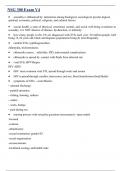
• sexuality is influenced by: interaction among biological, sociological, psycho-logical,
spiritual, economic, political, religious, and cultural factors
• sexual health: a state of physical, emotional, mental, and social well-being in relation to
sexuality; it is NOT absence of disease, dysfunction, or infirmity
• how many people in the US are diagnosed with STIs each year: 20 million people, half
being 15-24 years old, black and hispanic populations being dx morefrequently
• curable STIs: syphilisgonorrhea
chlamydia, trichomoniasis
• chlamydia causes...: infertility, PID, and neonatal complications
• chlamydia is spread by: contact with fluids from infected site
• viral STIs: HPVHerpes
HIV AIDS
• HIV: most common viral STI, spread through warts and semen
• HIV is spread through: needles, intercourse, oral sex, blood transfusions (bodyfluids)
• symptoms of STIs: - sores/blisters
- unusual discharge
- painful urination
- itching, burning, redness
- rashes
- warts, bumps
- pain during sex
• nursing process with sexuality questions (assessment): -open ended
-focused
-contrast
-ethnohistory
-sexual orientation/ gender ID
-social organization
-socioeconomic
-bicultural ecology and health risks
, -language and communication
-caring belief and practices
• nursing process with sexuality (implementation): -health promotion: edu-cate, have
regular screenings
-Acute care: can create situational stressors
-Continuing care: provide info on how illness limits sexual activity
• nursing process with sexuality (evaluation): ask about risk factors, sexual concerns, level
of satisfaction; when outcomes are not met, ask questions to deter-mine appropriate changes in
interventions
• religion: associated with a specific group with specific beliefs (typically church)with
special rituals (more external)
- ex. going to church regularly
• spirituality: more internal, personal belief in a higher power, awareness ofmeaning,
purpose in life, as well as life values
- ex. relationship with God/higher being
• constructs of spirituality: Self-transcendenceConnectedness
FaithHope
• health belief model (Rosenstoch and Becker and Maiman's) addresses: therelationship
between person's beliefs and behaviors
• components of the health belief model: 1. perceived susceptibility to a dis-ease
2. perceived seriousness of a disease
3. likelihood the person will take preventive action
• health promotion model defines health as: a positive, dynamic state not justthe absence of
disease
• health promotion model focuses on: 1. individual characteristics/ experiences
2. behavior-specific knowledge and effect
3. behavioral outcomes where the pt commits to/changes behavior
• health promotion is directed at: increasing a patient's level of well being
• health promoting behaviors result in: improved health, enhanced functionalability, and
better quality of life
• health promotion examples: routine exercise and good nutrition
• illness prevention example: immunizations
• sexuality is influenced by: interaction among biological, sociological, psycho-logical,
spiritual, economic, political, religious, and cultural factors
• sexual health: a state of physical, emotional, mental, and social well-being in relation to
sexuality; it is NOT absence of disease, dysfunction, or infirmity
• how many people in the US are diagnosed with STIs each year: 20 million people, half
being 15-24 years old, black and hispanic populations being dx morefrequently
• curable STIs: syphilisgonorrhea
chlamydia, trichomoniasis
• chlamydia causes...: infertility, PID, and neonatal complications
• chlamydia is spread by: contact with fluids from infected site
• viral STIs: HPVHerpes
HIV AIDS
• HIV: most common viral STI, spread through warts and semen
• HIV is spread through: needles, intercourse, oral sex, blood transfusions (bodyfluids)
• symptoms of STIs: - sores/blisters
- unusual discharge
- painful urination
- itching, burning, redness
- rashes
- warts, bumps
- pain during sex
• nursing process with sexuality questions (assessment): -open ended
-focused
-contrast
-ethnohistory
-sexual orientation/ gender ID
-social organization
-socioeconomic
-bicultural ecology and health risks
, -language and communication
-caring belief and practices
• nursing process with sexuality (implementation): -health promotion: edu-cate, have
regular screenings
-Acute care: can create situational stressors
-Continuing care: provide info on how illness limits sexual activity
• nursing process with sexuality (evaluation): ask about risk factors, sexual concerns, level
of satisfaction; when outcomes are not met, ask questions to deter-mine appropriate changes in
interventions
• religion: associated with a specific group with specific beliefs (typically church)with
special rituals (more external)
- ex. going to church regularly
• spirituality: more internal, personal belief in a higher power, awareness ofmeaning,
purpose in life, as well as life values
- ex. relationship with God/higher being
• constructs of spirituality: Self-transcendenceConnectedness
FaithHope
• health belief model (Rosenstoch and Becker and Maiman's) addresses: therelationship
between person's beliefs and behaviors
• components of the health belief model: 1. perceived susceptibility to a dis-ease
2. perceived seriousness of a disease
3. likelihood the person will take preventive action
• health promotion model defines health as: a positive, dynamic state not justthe absence of
disease
• health promotion model focuses on: 1. individual characteristics/ experiences
2. behavior-specific knowledge and effect
3. behavioral outcomes where the pt commits to/changes behavior
• health promotion is directed at: increasing a patient's level of well being
• health promoting behaviors result in: improved health, enhanced functionalability, and
better quality of life
• health promotion examples: routine exercise and good nutrition
• illness prevention example: immunizations