
1.7 FLUCTUATING LOADING
Introduction.
A machine element may have been designed to be safe under static conditions, only to fail under
repeated dynamic loading called fatigue failure. This repeated loading could be a complete
reversal of the load, be a fluctuating load or be due to a combination of loadings. The loading
may produce either normal stresses, shear stresses or a combination of both normal and shear
stresses so that either by Mohr's circle or by appropriate equations the principal stresses are
found.
If the design of a machine element becomes unsafe under dynamic conditions, it usually fails
suddenly and below the static strengths of the material, either the yield strength ( S y ) for ductile
materials or the ultimate tensile strength ( Sut ) for brittle materials.
In fluctuating loading type, the load on the machine element varies about some mean stress ( m )
which can be positive or negative by an amount called the alternating stress ( a ).
It should be noted that if the mean stress is zero, then the loading is completely reversed loading.
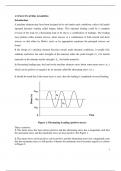
Figure 1: Fluctuating Loading (positive stress)
Three scenarios:
1. The mean stress has been shown positive and the alternating stress has a magnitude such that
the maximum stress and the minimum stress are also positive. See Figure 1.
2. The mean stress can be positive can be positive and the alternating stress has a magnitude such
that the maximum stress is still positive whereas the minimum stress becomes negative as shown
in Figure 2.
1
, Figure 2: Positive and Negative stresses
3. The mean stress is negative and the alternating stress has a magnitude such that the maximum
stress and the minimum stress are also negative as shown in Figure 3.
Figure 3: Negative stresses
For the three scenarios above, the mean stress and alternating stress can be related to the
maximum stress and the minimum stress by the following relations;
max min
m ............. (1)
2
max min
a ............... (2)
2
The fatigue strength is measured by the number of repetitions of stress before fracture occurs and
depends upon the level of both the mean stress m and the range of stress.
The greatest number of fatigue failures are probably due to reversed bending stresses and this is
the basis of the fatigue test most in use.
Experimental data from fatigue tests with fluctuating loading can be plotted as follows:
2
Introduction.
A machine element may have been designed to be safe under static conditions, only to fail under
repeated dynamic loading called fatigue failure. This repeated loading could be a complete
reversal of the load, be a fluctuating load or be due to a combination of loadings. The loading
may produce either normal stresses, shear stresses or a combination of both normal and shear
stresses so that either by Mohr's circle or by appropriate equations the principal stresses are
found.
If the design of a machine element becomes unsafe under dynamic conditions, it usually fails
suddenly and below the static strengths of the material, either the yield strength ( S y ) for ductile
materials or the ultimate tensile strength ( Sut ) for brittle materials.
In fluctuating loading type, the load on the machine element varies about some mean stress ( m )
which can be positive or negative by an amount called the alternating stress ( a ).
It should be noted that if the mean stress is zero, then the loading is completely reversed loading.
Figure 1: Fluctuating Loading (positive stress)
Three scenarios:
1. The mean stress has been shown positive and the alternating stress has a magnitude such that
the maximum stress and the minimum stress are also positive. See Figure 1.
2. The mean stress can be positive can be positive and the alternating stress has a magnitude such
that the maximum stress is still positive whereas the minimum stress becomes negative as shown
in Figure 2.
1
, Figure 2: Positive and Negative stresses
3. The mean stress is negative and the alternating stress has a magnitude such that the maximum
stress and the minimum stress are also negative as shown in Figure 3.
Figure 3: Negative stresses
For the three scenarios above, the mean stress and alternating stress can be related to the
maximum stress and the minimum stress by the following relations;
max min
m ............. (1)
2
max min
a ............... (2)
2
The fatigue strength is measured by the number of repetitions of stress before fracture occurs and
depends upon the level of both the mean stress m and the range of stress.
The greatest number of fatigue failures are probably due to reversed bending stresses and this is
the basis of the fatigue test most in use.
Experimental data from fatigue tests with fluctuating loading can be plotted as follows:
2


