

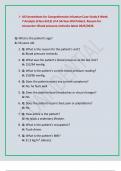
➢ All Screenshots for Comprehensive inhuman Case Study # Week
7 Analysis (Class 6512) of A 56-Year-Old Patient, Reason for
encounter: Blood pressure rechecks latest 2025/2026
Q: What is the patient's age?
A: 56 years old.
1. Q: What is the reason for the patient's visit?
A: Blood pressure rechecks.
2. Q: What was the patient's blood pressure at the last visit?
A: 152/94 mmHg.
3. Q: What is the patient’s current blood pressure reading?
A: 150/96 mmHg.
4. Q: Does the patient report any current symptoms?
A: No, he feels well.
5. Q: Does the patient report headaches or visual changes?
A: No.
6. Q: Does the patient report chest pain or palpitations?
A: No.
7. Q: How active is the patient?
A: He leads a sedentary lifestyle.
8. Q: What is the patient’s occupation?
A: Truck driver.
9. Q: What is the patient’s BMI?
A: 31.2 kg/m² (obese).
,10. Q: Does the patient smoke?
A: Yes, 1 pack per day for 30 years.
11. Q: Does the patient drink alcohol?
A: Occasionally.
12. Q: What medication does he use occasionally?
A: Over-the-counter NSAIDs.
13. Q: Does he have any known chronic diseases?
A: Previously noted borderline hypertension.
14. Q: Any known history of diabetes?
A: No.
15. Q: Any known hyperlipidemia?
A: No.
16. Q: What is significant in his family history?
A: Father had hypertension and died of a stroke.
17. Q: What is the mother’s health status?
A: Has type 2 diabetes.
18. Q: What is the patient's diet like?
A: High in sodium and processed foods.
19. Q: Has the patient made any lifestyle changes since his last
visit?
A: No.
20. Q: What is the likely diagnosis based on history?
A: Essential (primary) hypertension.
, 21. Q: What modifiable risk factor does the patient have?
A: Obesity.
22. Q: What non-modifiable risk factor is present?
A: Family history.
23. Q: What could occasional NSAID use contribute to?
A: Elevated blood pressure.
24. Q: What symptom is important to rule out hypertensive
emergency?
A: Headache or visual changes.
25. Q: What is the concern with sedentary work and lifestyle?
A: Increased cardiovascular risk.
26. Q: What is the first step to confirm hypertension?
A: Multiple BP readings on separate days.
27. Q: What condition must be ruled out before diagnosing
essential hypertension?
A: Secondary hypertension.
28. Q: What type of hypertension could be suggested due to
elevated BP in clinic only?
A: White coat hypertension.
29. Q: What’s the role of ambulatory BP monitoring?
A: Confirms diagnosis of sustained hypertension.
30. Q: What comorbidity is patient at risk for due to family
history?
A: Stroke.
7 Analysis (Class 6512) of A 56-Year-Old Patient, Reason for
encounter: Blood pressure rechecks latest 2025/2026
Q: What is the patient's age?
A: 56 years old.
1. Q: What is the reason for the patient's visit?
A: Blood pressure rechecks.
2. Q: What was the patient's blood pressure at the last visit?
A: 152/94 mmHg.
3. Q: What is the patient’s current blood pressure reading?
A: 150/96 mmHg.
4. Q: Does the patient report any current symptoms?
A: No, he feels well.
5. Q: Does the patient report headaches or visual changes?
A: No.
6. Q: Does the patient report chest pain or palpitations?
A: No.
7. Q: How active is the patient?
A: He leads a sedentary lifestyle.
8. Q: What is the patient’s occupation?
A: Truck driver.
9. Q: What is the patient’s BMI?
A: 31.2 kg/m² (obese).
,10. Q: Does the patient smoke?
A: Yes, 1 pack per day for 30 years.
11. Q: Does the patient drink alcohol?
A: Occasionally.
12. Q: What medication does he use occasionally?
A: Over-the-counter NSAIDs.
13. Q: Does he have any known chronic diseases?
A: Previously noted borderline hypertension.
14. Q: Any known history of diabetes?
A: No.
15. Q: Any known hyperlipidemia?
A: No.
16. Q: What is significant in his family history?
A: Father had hypertension and died of a stroke.
17. Q: What is the mother’s health status?
A: Has type 2 diabetes.
18. Q: What is the patient's diet like?
A: High in sodium and processed foods.
19. Q: Has the patient made any lifestyle changes since his last
visit?
A: No.
20. Q: What is the likely diagnosis based on history?
A: Essential (primary) hypertension.
, 21. Q: What modifiable risk factor does the patient have?
A: Obesity.
22. Q: What non-modifiable risk factor is present?
A: Family history.
23. Q: What could occasional NSAID use contribute to?
A: Elevated blood pressure.
24. Q: What symptom is important to rule out hypertensive
emergency?
A: Headache or visual changes.
25. Q: What is the concern with sedentary work and lifestyle?
A: Increased cardiovascular risk.
26. Q: What is the first step to confirm hypertension?
A: Multiple BP readings on separate days.
27. Q: What condition must be ruled out before diagnosing
essential hypertension?
A: Secondary hypertension.
28. Q: What type of hypertension could be suggested due to
elevated BP in clinic only?
A: White coat hypertension.
29. Q: What’s the role of ambulatory BP monitoring?
A: Confirms diagnosis of sustained hypertension.
30. Q: What comorbidity is patient at risk for due to family
history?
A: Stroke.


