

WSET SAKE LEVEL 3
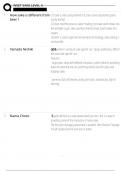
1. How sake is different from (1) Sake is only used polished rice, beer used unpolished grains
beer ? (usally barley)
(2) Beer need the process called "malting",to break starch down into
fermentable sugar, sake used koji mold to break starch down into
sugars.
(3) Beer is used single line fermentation technology, sake making is
used parelle
2. Yamada Nishiki The number 1 variety of sake-specific rice. Hyogo prefecture, 30% of
q0&
the total sake-specific rice.
Features:
· large grain, large well-defined shinpaku ( make it ideal for polishing
down to extremely low rice polishing ratios) ideal for ginjo and
daiginjo styles.
· generous full soft texture, purity, precision, aromatically, light in
intensity
3. Nama Chozo .ÏLegally defined as a sake pasteurized just once. this is a way of
providing some of the characters of nama-zake.
The first (pre-storage) pasteurized is avoided. After filtration ’storage
in bulk ’pasteurized in bulk also in bottle.
, WSET SAKE LEVEL 3
4. Nama-zume Ønot legally defined. before storage in bulk and later bottled without
a second pasteurization.
After filtration ’pasteurized in bulk ’storage in bulk ’bottled (without a
second pasteurized)
5. Hiya-oroshi is nama-zume that released as an autumn seasonal product once the
·x
heat of the summer has passed.
6. Bin hi-ire ( once pasteur- before storage in bottle, because the sake is already bottled, the
ized ) = bottle pasteurisa- second post-storage pasteurized is unnecessary.
tion this avoids the distinct aromas of nama-zake, which can develop in
bottle.
7. Yabuta-Shibori (Assakuki ) yabuta is the major brand of the machine. A modern industry stan-
dard for filtration. Fast, efficient, no contamination risk, good at min-
imising oxidation. Strong pressure can release coarse components
from the lees into the sake.
for futsu-shu, junmai, honjozo, also for ginjo and daiginjo.
8. Funa-Shibori Gentle pressure, box press, ideal for premium sakes ( ginjo\daigin-
jo\junmai daiginjo ). Time and labor consuming. ( takes about 2 days
)
1. How sake is different from (1) Sake is only used polished rice, beer used unpolished grains
beer ? (usally barley)
(2) Beer need the process called "malting",to break starch down into
fermentable sugar, sake used koji mold to break starch down into
sugars.
(3) Beer is used single line fermentation technology, sake making is
used parelle
2. Yamada Nishiki The number 1 variety of sake-specific rice. Hyogo prefecture, 30% of
q0&
the total sake-specific rice.
Features:
· large grain, large well-defined shinpaku ( make it ideal for polishing
down to extremely low rice polishing ratios) ideal for ginjo and
daiginjo styles.
· generous full soft texture, purity, precision, aromatically, light in
intensity
3. Nama Chozo .ÏLegally defined as a sake pasteurized just once. this is a way of
providing some of the characters of nama-zake.
The first (pre-storage) pasteurized is avoided. After filtration ’storage
in bulk ’pasteurized in bulk also in bottle.
, WSET SAKE LEVEL 3
4. Nama-zume Ønot legally defined. before storage in bulk and later bottled without
a second pasteurization.
After filtration ’pasteurized in bulk ’storage in bulk ’bottled (without a
second pasteurized)
5. Hiya-oroshi is nama-zume that released as an autumn seasonal product once the
·x
heat of the summer has passed.
6. Bin hi-ire ( once pasteur- before storage in bottle, because the sake is already bottled, the
ized ) = bottle pasteurisa- second post-storage pasteurized is unnecessary.
tion this avoids the distinct aromas of nama-zake, which can develop in
bottle.
7. Yabuta-Shibori (Assakuki ) yabuta is the major brand of the machine. A modern industry stan-
dard for filtration. Fast, efficient, no contamination risk, good at min-
imising oxidation. Strong pressure can release coarse components
from the lees into the sake.
for futsu-shu, junmai, honjozo, also for ginjo and daiginjo.
8. Funa-Shibori Gentle pressure, box press, ideal for premium sakes ( ginjo\daigin-
jo\junmai daiginjo ). Time and labor consuming. ( takes about 2 days
)


