

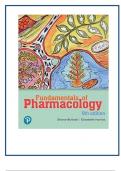
, Complete Table of Contents
SECTION I: Introduction to Sociocultural Aspects, Law, and Ethics
Chapter 1: Sociocultural Aspects
– Medicine advertising and media influences
– Over-the-counter (OTC) preparations
– Generic vs proprietary medicines
– Medicine use in older individuals
– Cultural and linguistic differences
– Indigenous perspectives on medicine therapy
Chapter 2: Health Professionals and the Law
– Legislative controls on medicines
– Australian and New Zealand medicine controls
– Common law: unclear, telephone, standing orders
– Emergency situations and nurse practitioners
– Midwifery and remote area care
Chapter 3: Ethical Issues in Health Care
– Six principles: veracity, autonomy, non-maleficence, etc.
– Ethical situations in pharmacology
– Professional responsibilities
SECTION II: Medicine Administration and Professional Responsibilities
Chapter 4: Formulations, Storage, Routes
– Formulations and stability
– Routes of administration
– First-pass effect
Chapter 5: Clinical Decision-Making
– Clinical assessment
– Medicine selection
– Patient factors
Chapter 6: Administration and Documentation
– Administration techniques
– Documentation standards
– Responsibilities
Chapter 7: Medication Errors
– Types and causes
– Prevention strategies
– Reporting and management
,SECTION III: General Aspects of Pharmacology
Chapter 8: Drug Nomenclature
– Generic, brand, chemical names
– Classification systems
Chapter 9: Pharmacokinetics
– ADME process
– Bioavailability and half-life
Chapter 10: Pharmacodynamics
– Drug-receptor interactions
– Dose-response, agonists
Chapter 11: Pharmacogenetics
– Genetic factors
– Pharmacogenomic testing
Chapter 12: Drug Interactions
– Pharmacokinetic & dynamic
– Drug-food interactions
Chapter 13: Pharmacokinetic Modifiers
– Age, disease, environment
Chapter 14: Pediatric & Geriatric Pharmacology
– Developmental and dosing issues
SECTION IV: Toxicology
Chapter 15: Poisoning & Envenomation
Chapter 16: Acute Overdose
Chapter 17: Substances of Abuse
Chapter 18: Medicine Safety
SECTION V: Autonomic Pharmacology
Chapter 19: Neuropharmacology Overview
Chapter 20: Adrenergic Pharmacology
Chapter 21: Cholinergic Pharmacology
SECTION VI: Neuropharmacology
Chapter 22: Antipsychotic Agents
Chapter 23: Anxiolytics & Hypnotics
Chapter 24: Antidepressants & Mood Stabilisers
Chapter 25: Neurodegenerative Disorders
Chapter 26: Antiseizure Agents & Muscle Relaxants
Chapter 27: CNS Stimulants
,SECTION VII: Pain and Anaesthesia
Chapter 28: Analgesics
Chapter 29: Migraine & Headaches
Chapter 30: General Anaesthesia
Chapter 31: Local Anaesthesia
SECTION VIII: Inflammation, Immunity and Cancer
Chapter 32: Anti-inflammatory Agents
Chapter 33: Antigout Medicines
Chapter 34: Antihistamines
Chapter 35: Immunomodulators
Chapter 36: Cancer Chemotherapy
SECTION IX: Cardiovascular and Respiratory Pharmacology
Chapter 37: Dyslipidaemia
Chapter 38: Antihypertensives
Chapter 39: Antianginals
Chapter 40: Anticoagulants and Thrombolytics
Chapter 41: Diuretics & Renal Drugs
Chapter 42: Heart Failure
Chapter 43: Antidysrhythmics
Chapter 44: Fluid & Electrolyte Imbalance
Chapter 45: Anti-anaemic Agents
Chapter 46: Respiratory Medicines (Asthma, COPD)
SECTION X: Modulation of Gastrointestinal Function
Chapter 47: Cold & Allergy Medicines
Chapter 48: Gastrointestinal Drugs
Chapter 49: Antiemetics
Chapter 50: Nutrition (Enteral/Parenteral)
SECTION XI: Endocrine and Metabolic Pharmacology
Chapter 51: Pituitary Conditions
Chapter 52: Thyroid Conditions
Chapter 53: Diabetes Management
Chapter 54: Adrenal Disorders
Chapter 55: Gonadal Hormones
Chapter 56: Bone Disorders
Chapter 57: Obesity Management
,SECTION XII: Antimicrobial Pharmacology
Chapter 58: Intro to Antimicrobials
Chapter 59: Antibacterial Agents
Chapter 60: TB and Leprosy Agents
Chapter 61: Antiseptics & Disinfectants
Chapter 62: Antiparasitic Agents
Chapter 63: Antivirals
Chapter 64: Antifungals
SECTION XIII: Special Topics in Pharmacology
Chapter 65: Skin Conditions
Chapter 66: Ophthalmic Medicines
Chapter 67: Herbal Medicines
, Chapter 1
1. A patient in Australia asks why they can see ads for cough
syrups on TV but not for blood pressure pills.
Correct answer: Prescription medicines cannot be
advertised directly to consumers, whereas OTC medicines
can.
Rationale: Under Australian law, direct-to-consumer
advertising of prescription drugs is prohibited to protect
public health, while OTC products may be advertised to
support self-care .
2. A 25-year-old follows a social media influencer promoting
a “miracle” joint supplement without scientific backing.
What is a key concern?
Correct answer: Social media influencers often lack
balanced, evidence-based information.
Rationale: Influencer marketing can skew patient
perceptions and drive inappropriate self-medication,
especially among younger populations with high social
media use.
3. After watching TV ads portraying antibiotics as “quick
fixes,” many patients request them for colds. What does
this illustrate?
Correct answer: Media-driven expectations can lead to
inappropriate antibiotic demands.
Rationale: Advertising shapes consumer beliefs,
, contributing to misuse and antimicrobial resistance in
low-health-literacy groups.
4. A celebrity appears in a national ad for an arthritis drug
without addressing cultural beliefs. What sociocultural
issue does this raise?
Correct answer: Celebrity endorsements rarely consider
linguistic diversity or cultural health beliefs.
Rationale: Ignoring cultural and language differences can
undermine informed decision-making in multicultural
communities.
5. Which requirement ensures an OTC medicine is safe for
unsupervised use?
Correct answer: It must have easy-to-read dosage
instructions and warnings for lay users.
Rationale: Clear labeling supports self-medication across
diverse literacy levels, promoting equitable access.
6. A pharmacist notices a patient selects pain relievers based
on packaging graphics rather than active ingredients. What
factor is at play?
Correct answer: Packaging design influences consumer
choice more than pharmacological content.
Rationale: Visual cues can override clinical considerations,
particularly in populations with limited health literacy.
7. When recommending an OTC antihistamine, what strategy
best addresses sociocultural needs?
Correct answer: Assess the patient’s cultural beliefs about
, allergy remedies before suggesting a product.
Rationale: Understanding cultural attitudes toward
medication helps tailor recommendations and improve
adherence.
8. Many people believe “natural” OTC herbal supplements
are risk-free. What misconception does this reflect?
Correct answer: The assumption that “natural” equals
safe.
Rationale: Cultural valorization of natural products can
obscure real risks and interactions with other medicines.
9. A generic antihypertensive is approved because it:
Correct answer: Demonstrates bioequivalence to the
proprietary product.
Rationale: Generic medicines must match originators in
strength and pharmacokinetics to ensure therapeutic
consistency.
10. Some patients insist on brand-name drugs despite
generic availability. What sociocultural barrier does this
illustrate?
Correct answer: Brand loyalty shapes perceptions of
efficacy.
Rationale: Marketing and cultural trust in familiar names
can discourage cost-saving generic substitution.
11. Switching to generic medicines in low-income
communities primarily benefits by:
Correct answer: Reducing treatment costs and improving
, access.
Rationale: Economic factors in socioeconomically
disadvantaged groups make affordable generics vital for
adherence.
12. Non-English-speaking patients often find generic
names confusing because:
Correct answer: Generic names use Latin-based
terminology unfamiliar to some linguistic groups.
Rationale: Language complexity in drug nomenclature can
impede comprehension and safe use.
13. An 80-year-old on five prescription and three OTC
drugs is at risk for:
Correct answer: Age-related pharmacokinetic changes
leading to drug accumulation.
Rationale: Physiological decline in liver and kidney function
raises polypharmacy risks in older adults.
14. Elderly patients from high-power-distance cultures
may underreport OTC use due to:
Correct answer: Deference to healthcare providers and
reluctance to question authority.
Rationale: Cultural respect for clinicians can result in
nondisclosure of self-medication practices.
15. Older individuals often struggle with medication
schedules because of:
Correct answer: Declining health literacy and cognitive
processing speed.
, Rationale: Age-related cognitive changes can impair
understanding of complex dosing regimens.
16. A migrant patient with limited English receives a
prescription in English only. Best practice is to:
Correct answer: Arrange for a professional interpreter and
translated materials.
Rationale: Addressing language barriers enhances
medication safety and adherence in linguistically diverse
populations.
17. In some cultures, patients use traditional remedies
alongside prescribed medicines. Clinically, you should:
Correct answer: Elicit and discuss all folk remedies to
identify possible interactions.
Rationale: Respectful acknowledgment of cultural health
beliefs builds trust and safeguards against adverse effects.
18. In a collectivist community, medication decisions are
often made by:
Correct answer: The family or community elders together
with the patient.
Rationale: Involving family decision-makers aligns
pharmacotherapy with sociocultural norms and improves
adherence.
19. Indigenous patients often view healing as:
Correct answer: A holistic process integrating physical,
spiritual, and community health.
SECTION I: Introduction to Sociocultural Aspects, Law, and Ethics
Chapter 1: Sociocultural Aspects
– Medicine advertising and media influences
– Over-the-counter (OTC) preparations
– Generic vs proprietary medicines
– Medicine use in older individuals
– Cultural and linguistic differences
– Indigenous perspectives on medicine therapy
Chapter 2: Health Professionals and the Law
– Legislative controls on medicines
– Australian and New Zealand medicine controls
– Common law: unclear, telephone, standing orders
– Emergency situations and nurse practitioners
– Midwifery and remote area care
Chapter 3: Ethical Issues in Health Care
– Six principles: veracity, autonomy, non-maleficence, etc.
– Ethical situations in pharmacology
– Professional responsibilities
SECTION II: Medicine Administration and Professional Responsibilities
Chapter 4: Formulations, Storage, Routes
– Formulations and stability
– Routes of administration
– First-pass effect
Chapter 5: Clinical Decision-Making
– Clinical assessment
– Medicine selection
– Patient factors
Chapter 6: Administration and Documentation
– Administration techniques
– Documentation standards
– Responsibilities
Chapter 7: Medication Errors
– Types and causes
– Prevention strategies
– Reporting and management
,SECTION III: General Aspects of Pharmacology
Chapter 8: Drug Nomenclature
– Generic, brand, chemical names
– Classification systems
Chapter 9: Pharmacokinetics
– ADME process
– Bioavailability and half-life
Chapter 10: Pharmacodynamics
– Drug-receptor interactions
– Dose-response, agonists
Chapter 11: Pharmacogenetics
– Genetic factors
– Pharmacogenomic testing
Chapter 12: Drug Interactions
– Pharmacokinetic & dynamic
– Drug-food interactions
Chapter 13: Pharmacokinetic Modifiers
– Age, disease, environment
Chapter 14: Pediatric & Geriatric Pharmacology
– Developmental and dosing issues
SECTION IV: Toxicology
Chapter 15: Poisoning & Envenomation
Chapter 16: Acute Overdose
Chapter 17: Substances of Abuse
Chapter 18: Medicine Safety
SECTION V: Autonomic Pharmacology
Chapter 19: Neuropharmacology Overview
Chapter 20: Adrenergic Pharmacology
Chapter 21: Cholinergic Pharmacology
SECTION VI: Neuropharmacology
Chapter 22: Antipsychotic Agents
Chapter 23: Anxiolytics & Hypnotics
Chapter 24: Antidepressants & Mood Stabilisers
Chapter 25: Neurodegenerative Disorders
Chapter 26: Antiseizure Agents & Muscle Relaxants
Chapter 27: CNS Stimulants
,SECTION VII: Pain and Anaesthesia
Chapter 28: Analgesics
Chapter 29: Migraine & Headaches
Chapter 30: General Anaesthesia
Chapter 31: Local Anaesthesia
SECTION VIII: Inflammation, Immunity and Cancer
Chapter 32: Anti-inflammatory Agents
Chapter 33: Antigout Medicines
Chapter 34: Antihistamines
Chapter 35: Immunomodulators
Chapter 36: Cancer Chemotherapy
SECTION IX: Cardiovascular and Respiratory Pharmacology
Chapter 37: Dyslipidaemia
Chapter 38: Antihypertensives
Chapter 39: Antianginals
Chapter 40: Anticoagulants and Thrombolytics
Chapter 41: Diuretics & Renal Drugs
Chapter 42: Heart Failure
Chapter 43: Antidysrhythmics
Chapter 44: Fluid & Electrolyte Imbalance
Chapter 45: Anti-anaemic Agents
Chapter 46: Respiratory Medicines (Asthma, COPD)
SECTION X: Modulation of Gastrointestinal Function
Chapter 47: Cold & Allergy Medicines
Chapter 48: Gastrointestinal Drugs
Chapter 49: Antiemetics
Chapter 50: Nutrition (Enteral/Parenteral)
SECTION XI: Endocrine and Metabolic Pharmacology
Chapter 51: Pituitary Conditions
Chapter 52: Thyroid Conditions
Chapter 53: Diabetes Management
Chapter 54: Adrenal Disorders
Chapter 55: Gonadal Hormones
Chapter 56: Bone Disorders
Chapter 57: Obesity Management
,SECTION XII: Antimicrobial Pharmacology
Chapter 58: Intro to Antimicrobials
Chapter 59: Antibacterial Agents
Chapter 60: TB and Leprosy Agents
Chapter 61: Antiseptics & Disinfectants
Chapter 62: Antiparasitic Agents
Chapter 63: Antivirals
Chapter 64: Antifungals
SECTION XIII: Special Topics in Pharmacology
Chapter 65: Skin Conditions
Chapter 66: Ophthalmic Medicines
Chapter 67: Herbal Medicines
, Chapter 1
1. A patient in Australia asks why they can see ads for cough
syrups on TV but not for blood pressure pills.
Correct answer: Prescription medicines cannot be
advertised directly to consumers, whereas OTC medicines
can.
Rationale: Under Australian law, direct-to-consumer
advertising of prescription drugs is prohibited to protect
public health, while OTC products may be advertised to
support self-care .
2. A 25-year-old follows a social media influencer promoting
a “miracle” joint supplement without scientific backing.
What is a key concern?
Correct answer: Social media influencers often lack
balanced, evidence-based information.
Rationale: Influencer marketing can skew patient
perceptions and drive inappropriate self-medication,
especially among younger populations with high social
media use.
3. After watching TV ads portraying antibiotics as “quick
fixes,” many patients request them for colds. What does
this illustrate?
Correct answer: Media-driven expectations can lead to
inappropriate antibiotic demands.
Rationale: Advertising shapes consumer beliefs,
, contributing to misuse and antimicrobial resistance in
low-health-literacy groups.
4. A celebrity appears in a national ad for an arthritis drug
without addressing cultural beliefs. What sociocultural
issue does this raise?
Correct answer: Celebrity endorsements rarely consider
linguistic diversity or cultural health beliefs.
Rationale: Ignoring cultural and language differences can
undermine informed decision-making in multicultural
communities.
5. Which requirement ensures an OTC medicine is safe for
unsupervised use?
Correct answer: It must have easy-to-read dosage
instructions and warnings for lay users.
Rationale: Clear labeling supports self-medication across
diverse literacy levels, promoting equitable access.
6. A pharmacist notices a patient selects pain relievers based
on packaging graphics rather than active ingredients. What
factor is at play?
Correct answer: Packaging design influences consumer
choice more than pharmacological content.
Rationale: Visual cues can override clinical considerations,
particularly in populations with limited health literacy.
7. When recommending an OTC antihistamine, what strategy
best addresses sociocultural needs?
Correct answer: Assess the patient’s cultural beliefs about
, allergy remedies before suggesting a product.
Rationale: Understanding cultural attitudes toward
medication helps tailor recommendations and improve
adherence.
8. Many people believe “natural” OTC herbal supplements
are risk-free. What misconception does this reflect?
Correct answer: The assumption that “natural” equals
safe.
Rationale: Cultural valorization of natural products can
obscure real risks and interactions with other medicines.
9. A generic antihypertensive is approved because it:
Correct answer: Demonstrates bioequivalence to the
proprietary product.
Rationale: Generic medicines must match originators in
strength and pharmacokinetics to ensure therapeutic
consistency.
10. Some patients insist on brand-name drugs despite
generic availability. What sociocultural barrier does this
illustrate?
Correct answer: Brand loyalty shapes perceptions of
efficacy.
Rationale: Marketing and cultural trust in familiar names
can discourage cost-saving generic substitution.
11. Switching to generic medicines in low-income
communities primarily benefits by:
Correct answer: Reducing treatment costs and improving
, access.
Rationale: Economic factors in socioeconomically
disadvantaged groups make affordable generics vital for
adherence.
12. Non-English-speaking patients often find generic
names confusing because:
Correct answer: Generic names use Latin-based
terminology unfamiliar to some linguistic groups.
Rationale: Language complexity in drug nomenclature can
impede comprehension and safe use.
13. An 80-year-old on five prescription and three OTC
drugs is at risk for:
Correct answer: Age-related pharmacokinetic changes
leading to drug accumulation.
Rationale: Physiological decline in liver and kidney function
raises polypharmacy risks in older adults.
14. Elderly patients from high-power-distance cultures
may underreport OTC use due to:
Correct answer: Deference to healthcare providers and
reluctance to question authority.
Rationale: Cultural respect for clinicians can result in
nondisclosure of self-medication practices.
15. Older individuals often struggle with medication
schedules because of:
Correct answer: Declining health literacy and cognitive
processing speed.
, Rationale: Age-related cognitive changes can impair
understanding of complex dosing regimens.
16. A migrant patient with limited English receives a
prescription in English only. Best practice is to:
Correct answer: Arrange for a professional interpreter and
translated materials.
Rationale: Addressing language barriers enhances
medication safety and adherence in linguistically diverse
populations.
17. In some cultures, patients use traditional remedies
alongside prescribed medicines. Clinically, you should:
Correct answer: Elicit and discuss all folk remedies to
identify possible interactions.
Rationale: Respectful acknowledgment of cultural health
beliefs builds trust and safeguards against adverse effects.
18. In a collectivist community, medication decisions are
often made by:
Correct answer: The family or community elders together
with the patient.
Rationale: Involving family decision-makers aligns
pharmacotherapy with sociocultural norms and improves
adherence.
19. Indigenous patients often view healing as:
Correct answer: A holistic process integrating physical,
spiritual, and community health.


