

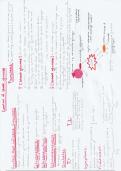
Summary 3.6.4.2 Control of blood glucose concentration
The factors that influence blood glucose concentration. The role of the liver in glycogenesis, glycogenolysis and gluconeogenesis. The action of insulin by: attaching to receptors on the surfaces of target cells controlling the uptake of glucose by regulating the inclusion of channel proteins in the surface membranes of target cells activating enzymes involved in the conversion of glucose to glycogen. The action of glucagon by: attaching to receptors on the surfaces of target cells activating enzymes involved in the conversion of glycogen to glucose activating enzymes involved in the conversion of glycerol and amino acids into glucose. The role of adrenaline by: attaching to receptors on the surfaces of target cells activating enzymes involved in the conversion of glycogen to glucose. The second messenger model of adrenaline and glucagon action, involving adenylate cyclase , cyclic AMP (cAMP) and protein kinase. The causes of types I and II diabetes and their control by insulin and/or manipulation of the diet. Students should be able to evaluate the positions of health advisers and the food industry in relation to the increased incidence of type II diabetes.
Document information
- Study Level
- A/AS Level
- Subject
- A Level Biology
- Uploaded on
- July 10, 2025
- Number of pages
- 1
- Written in
- 2024/2025
- Type
- Summary


