Summary Exploring Strategy
Chapter 1 – Introducing strategy
Strategy questions naturally concern entrepreneurs and senior managers at the top of their
organisations. Middle managers also have to understand the strategic direction of their
organisations, both to know how to get top management support for their initiatives and to
explain their organisation’s strategy to the people they are responsible for.
Strategy is the long-term direction of an organisation. This has two advantages. First, the
long-term direction of an organisation can include both deliberate, logical strategy and
more incremental, emergent patterns of strategy. Second, long-term direction can include
both strategies that emphasise difference and competition, and strategies that recognise
the roles of cooperation and even imitation.
The long-term direction of Amazon is from book retailing to internet services in general. The
long-term direction of Disney is from cartoons to diversified entertainment.
The three elements of this strategy definition – the long term, direction and organisation –
can be explored further.
The long term. Strategies are typically measured over years for some organisations a decade
or more. The importance of a long-term perspective on strategy is emphasised by the ‘three
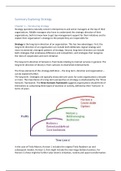
horizons’ framework. The three-horizons framework suggests organisations should think of
themselves as comprising three types of business or activity, defined by their ‘horizons’ in
terms of years.
In the case of Tesla Motors, Horizon 1 includes the original Tesla Roadster car and
subsequent models. Horizon 2, that might include the new mega-battery business. For
Horizon 3, these might be further solar electric initiatives, rockets and space transformation.
, Strategy direction. Over the years, strategies follow some kind of long-term direction or
trajectory.
The strategic direction of Tesla is from the original electric car to a diversified set of solar
powered offerings.
Organisation. Organisations involve many relationships, both internally and externally. This
is because organisations typically have many internal and external stakeholders, or in other
words people and groups that depend on the organisation and upon which the organisation
itself depends.
The core of a strategist’s job is defining and expressing a clear and motivating purpose for
the organisation. There are four ways in which organisations typically define their purpose.
- A mission statement aims to provide employees and stakeholders with clarity about
what the organisation is fundamentally there to do.
- A vision statement is concerned with the future the organisation seeks to create.
- Statements of corporate values communicate the underlying and enduring core
‘principles’ that guide and organisation’s strategy and define the way that the
organisation should operate.
- Objectives are statements of specific outcomes that are to be achieved.
Strategy statements should have three main themes: the fundamental goals (mission, vision
or objectives) that the organisation seeks; the scope or domain of the organisation’s
activities; and the particular advantages or capabilities it has to deliver all of these.
Scope. An organisation’s scope or domain refers to three dimensions: customers or clients;
geographical location; and extent of internal activities (‘vertical integration’).
Advantage. This part of a strategy statement describes how the organisation will achieve
the objectives it has set for itself in its chosen domain.
Inside an organisation, strategies can exist at three main levels.
Corporate-level strategy is concerned with the overall scope of an organisation and how
value is added to the constituent businesses of the organisational whole.
Business-level strategy is about how the individual businesses should compete in their
particular markets.
Functional strategies are concerned with how the components of an organisation deliver
effectively the corporate- and business-level strategies in terms of resources, processes and
people.
The Exploring Strategy Framework includes understanding the strategic position of an
organisation; assessing strategic choices for the future; and managing strategy in action.
The strategic position is concerned with the impact on strategy of the macro-environment,
the industry environment, the organisation’s strategic capability (resources and
competences), the organisation’s stakeholders and the organisation’s culture.
- Macro environment. At the macro level, organisations are influenced by political,
economic social, technological, ecological and legal forces.
- Industry environment. At the industry level of analysis, competitors, suppliers and
customers present challenges to an organisation.
Chapter 1 – Introducing strategy
Strategy questions naturally concern entrepreneurs and senior managers at the top of their
organisations. Middle managers also have to understand the strategic direction of their
organisations, both to know how to get top management support for their initiatives and to
explain their organisation’s strategy to the people they are responsible for.
Strategy is the long-term direction of an organisation. This has two advantages. First, the
long-term direction of an organisation can include both deliberate, logical strategy and
more incremental, emergent patterns of strategy. Second, long-term direction can include
both strategies that emphasise difference and competition, and strategies that recognise
the roles of cooperation and even imitation.
The long-term direction of Amazon is from book retailing to internet services in general. The
long-term direction of Disney is from cartoons to diversified entertainment.
The three elements of this strategy definition – the long term, direction and organisation –
can be explored further.
The long term. Strategies are typically measured over years for some organisations a decade
or more. The importance of a long-term perspective on strategy is emphasised by the ‘three
horizons’ framework. The three-horizons framework suggests organisations should think of
themselves as comprising three types of business or activity, defined by their ‘horizons’ in
terms of years.
In the case of Tesla Motors, Horizon 1 includes the original Tesla Roadster car and
subsequent models. Horizon 2, that might include the new mega-battery business. For
Horizon 3, these might be further solar electric initiatives, rockets and space transformation.
, Strategy direction. Over the years, strategies follow some kind of long-term direction or
trajectory.
The strategic direction of Tesla is from the original electric car to a diversified set of solar
powered offerings.
Organisation. Organisations involve many relationships, both internally and externally. This
is because organisations typically have many internal and external stakeholders, or in other
words people and groups that depend on the organisation and upon which the organisation
itself depends.
The core of a strategist’s job is defining and expressing a clear and motivating purpose for
the organisation. There are four ways in which organisations typically define their purpose.
- A mission statement aims to provide employees and stakeholders with clarity about
what the organisation is fundamentally there to do.
- A vision statement is concerned with the future the organisation seeks to create.
- Statements of corporate values communicate the underlying and enduring core
‘principles’ that guide and organisation’s strategy and define the way that the
organisation should operate.
- Objectives are statements of specific outcomes that are to be achieved.
Strategy statements should have three main themes: the fundamental goals (mission, vision
or objectives) that the organisation seeks; the scope or domain of the organisation’s
activities; and the particular advantages or capabilities it has to deliver all of these.
Scope. An organisation’s scope or domain refers to three dimensions: customers or clients;
geographical location; and extent of internal activities (‘vertical integration’).
Advantage. This part of a strategy statement describes how the organisation will achieve
the objectives it has set for itself in its chosen domain.
Inside an organisation, strategies can exist at three main levels.
Corporate-level strategy is concerned with the overall scope of an organisation and how
value is added to the constituent businesses of the organisational whole.
Business-level strategy is about how the individual businesses should compete in their
particular markets.
Functional strategies are concerned with how the components of an organisation deliver
effectively the corporate- and business-level strategies in terms of resources, processes and
people.
The Exploring Strategy Framework includes understanding the strategic position of an
organisation; assessing strategic choices for the future; and managing strategy in action.
The strategic position is concerned with the impact on strategy of the macro-environment,
the industry environment, the organisation’s strategic capability (resources and
competences), the organisation’s stakeholders and the organisation’s culture.
- Macro environment. At the macro level, organisations are influenced by political,
economic social, technological, ecological and legal forces.
- Industry environment. At the industry level of analysis, competitors, suppliers and
customers present challenges to an organisation.