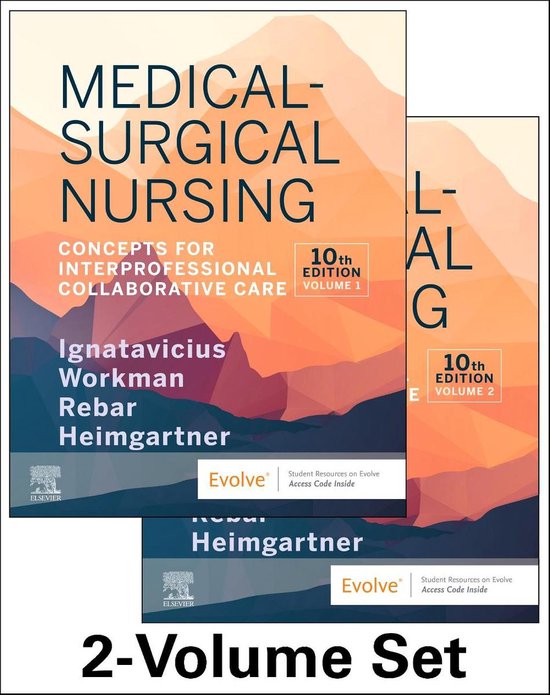
Test Bank Medical Surgical Nursing,Concepts for Interprofessional Collaborative Care 9th
Edition by IGNATAVICIUS
TEST BANK FOR MEDICAL SURGICAL :CONCEPTS FOR
INTERPROFFESSIONAL COLLABORATIVE CARE 9TH EDITION
IGNATAVICIUS ALL CHAPTERS.
,Test Bank Medical Surgical Nursing,Concepts for Interprofessional Collaborative Care 9th
Edition by IGNATAVICIUS
Chapter 01: Overview of Professional Nursing Concepts for Medical- Surgical Nursing
MULTIPLE CHOICE
1. A nurse wishes to provide client-centered care in all interactions. Which action by the
nurse best demonstrates this concept?
a. Assesses for cultural influences affecting health care
b. Ensures that all the clients basic needs are met
c. Tells the client and family about all upcoming tests
d. Thoroughly orients the client and family to the room
ANS: A
Competency in client-focused care is demonstrated when the nursefocuses on communication,
culture, respect compassion, client education, and empowerment. By assessing the effect of the
clients culture on health care, this nurse is practicing client-focused care. Providing for basic
needs does not demonstrate this competence. Simply telling the client about all upcoming tests is
not providing empowering education.
Orienting the client andfamily to theroom is animportantsafetymeasure,
butnotdirectlyrelatedtodemonstratingclient-centered care.
DIF: Understanding/Comprehension REF: 3
KEY: Patient-centered care| culture MSC: Integrated Process: Caring NOT: Client Needs
Category: Psychosocial Integrity
2. A nurse is caring for a postoperative client on the surgical unit. The clients blood pressure
was 142/76 mm Hg 30 minutes ago, and now is 88/50 mm Hg. What action by the nurse isbest?
a. Call the Rapid Response Team.
b. Document and continue to monitor.
c. Notify the primary care provider.
d. Repeat blood pressure measurement in 15 minutes.
,Test Bank Medical Surgical Nursing,Concepts for Interprofessional Collaborative Care 9th
Edition by IGNATAVICIUS
ANS: A
The purpose of the Rapid Response Team (RRT) is to intervene when clients are deteriorating
before they suffereitherrespiratoryorcardiacarrest.
Sincetheclienthasmanifestedasignificantchange, thenurseshould call the RRT. Changes in blood
pressure, mental status, heart rate, and pain are particularly significant. Documentation is vital,
but the nursemust do more than document. The primary care provider should be notified, but this
is not the priority over calling the RRT. The clients blood pressure should
be reassessed frequently, but the priority is getting the rapid care to theclient.
DIF: dApplying/Application dREF: d3
KEY: dRapid dResponse dTeam d(RRT)| dmedical demergencies dMSC: dIntegrated dProcess:
dCommunication dand dDocumentation
NOT: dClient dNeeds dCategory: dPhysiological dIntegrity: dPhysiological dAdaptation
3. A dnurse dis dorienting da dnew dclient dand dfamily dto dthe dinpatient dunit. dWhat
dinformation ddoes dthe dnurse dprovide dto dhelp dthe dclient dpromote dhis dor dher down dsafety?
a. Encourage dthe dclient dand dfamily dto dbe dactive dpartners.
b. Have dthe dclient dmonitor dhand dhygiene din dcaregivers.
c. Offer dthe dfamily dthe dopportunity dto dstay dwith dthe dclient.
d. Tell dthe dclient dto dalways dwear dhis dor dher darmband.
ANS: dA
Each daction dcould dbe dimportant dfor dthe dclient dor dfamily dto dperform. dHowever,
dencouraging dthe dclient dto dbe dactive din dhis dor dher dhealth dcare das da dpartner dis dthe dmost
dcritical. dThe dother dactions dare dvery dlimited din dscope dand ddo dnot dprovide dthe dbroad
dprotection dthat dbeing dactive dand dinvolveddoes.
DIF: dUnderstanding/Comprehension dREF: d3 dKEY: dPatient dsafety
, Test Bank Medical Surgical Nursing,Concepts for Interprofessional Collaborative Care 9th
Edition by IGNATAVICIUS
MSC: dIntegrated dProcess: dTeaching/Learning
NOT: dClient dNeeds dCategory: dSafe dand dEffective dCare dEnvironment: dSafety dand
dInfection dControl
4. A dnew dnurse dis dworking dwith da dpreceptor don dan dinpatientmedical-surgical dunit.
dThe dpreceptor dadvises dthe dstudent dthat dwhich dis dthe dpriority dwhen dworking das da
dprofessionalnurse?
a. Attending dto dholistic dclient dneeds
b. Ensuring dclient dsafety
c. Not dmaking dmedication derrors
d. Providing dclient-focused dcare
ANS: dB
All dactions dare dappropriate dfor dthe dprofessional dnurse. dHowever, densuring dclient dsafety dis
dthe dpriority. dUp dto d98,000 ddeaths dresult deach dyear dfrom derrors din dhospital dcare, daccording
dto dthe d2000 dInstitute dof dMedicine dreport. dMany dmore dclients dhave dsuffered dinjuries dand
dless dserious doutcomes. dEvery dnurse dhas dthe dresponsibility dto dguard dthe dclients dsafety.
DIF: dUnderstanding/Comprehension dREF: d2 dKEY: dPatient
dsafety dMSC: dIntegrated dProcess: dNursing dProcess:
dIntervention
NOT: dClient dNeeds dCategory: dSafe dand dEffective dCare dEnvironment: dSafety dand
dInfection dControl
5. A dclient dis dgoing dto dbe dadmitted dfor da dscheduled dsurgical dprocedure. dWhich
daction ddoes dthe dnurse dexplain dis dthe dmost dimportant dthing dthe dclient dcan ddo dto dprotect
dagainsterrors?
a. Bring da dlist dof dall dmedications dand dwhat dthey dare dfor.
b. Keep dthe ddoctors dphone dnumber dby dthe dtelephone.
c. Make dsure dall dproviders dwash dhands dbefore dentering dthe droom.
d. Write ddown dthe dname dof deach dcaregiver dwho dcomes din dthe droom.
ANS: dA
Edition by IGNATAVICIUS
TEST BANK FOR MEDICAL SURGICAL :CONCEPTS FOR
INTERPROFFESSIONAL COLLABORATIVE CARE 9TH EDITION
IGNATAVICIUS ALL CHAPTERS.
,Test Bank Medical Surgical Nursing,Concepts for Interprofessional Collaborative Care 9th
Edition by IGNATAVICIUS
Chapter 01: Overview of Professional Nursing Concepts for Medical- Surgical Nursing
MULTIPLE CHOICE
1. A nurse wishes to provide client-centered care in all interactions. Which action by the
nurse best demonstrates this concept?
a. Assesses for cultural influences affecting health care
b. Ensures that all the clients basic needs are met
c. Tells the client and family about all upcoming tests
d. Thoroughly orients the client and family to the room
ANS: A
Competency in client-focused care is demonstrated when the nursefocuses on communication,
culture, respect compassion, client education, and empowerment. By assessing the effect of the
clients culture on health care, this nurse is practicing client-focused care. Providing for basic
needs does not demonstrate this competence. Simply telling the client about all upcoming tests is
not providing empowering education.
Orienting the client andfamily to theroom is animportantsafetymeasure,
butnotdirectlyrelatedtodemonstratingclient-centered care.
DIF: Understanding/Comprehension REF: 3
KEY: Patient-centered care| culture MSC: Integrated Process: Caring NOT: Client Needs
Category: Psychosocial Integrity
2. A nurse is caring for a postoperative client on the surgical unit. The clients blood pressure
was 142/76 mm Hg 30 minutes ago, and now is 88/50 mm Hg. What action by the nurse isbest?
a. Call the Rapid Response Team.
b. Document and continue to monitor.
c. Notify the primary care provider.
d. Repeat blood pressure measurement in 15 minutes.
,Test Bank Medical Surgical Nursing,Concepts for Interprofessional Collaborative Care 9th
Edition by IGNATAVICIUS
ANS: A
The purpose of the Rapid Response Team (RRT) is to intervene when clients are deteriorating
before they suffereitherrespiratoryorcardiacarrest.
Sincetheclienthasmanifestedasignificantchange, thenurseshould call the RRT. Changes in blood
pressure, mental status, heart rate, and pain are particularly significant. Documentation is vital,
but the nursemust do more than document. The primary care provider should be notified, but this
is not the priority over calling the RRT. The clients blood pressure should
be reassessed frequently, but the priority is getting the rapid care to theclient.
DIF: dApplying/Application dREF: d3
KEY: dRapid dResponse dTeam d(RRT)| dmedical demergencies dMSC: dIntegrated dProcess:
dCommunication dand dDocumentation
NOT: dClient dNeeds dCategory: dPhysiological dIntegrity: dPhysiological dAdaptation
3. A dnurse dis dorienting da dnew dclient dand dfamily dto dthe dinpatient dunit. dWhat
dinformation ddoes dthe dnurse dprovide dto dhelp dthe dclient dpromote dhis dor dher down dsafety?
a. Encourage dthe dclient dand dfamily dto dbe dactive dpartners.
b. Have dthe dclient dmonitor dhand dhygiene din dcaregivers.
c. Offer dthe dfamily dthe dopportunity dto dstay dwith dthe dclient.
d. Tell dthe dclient dto dalways dwear dhis dor dher darmband.
ANS: dA
Each daction dcould dbe dimportant dfor dthe dclient dor dfamily dto dperform. dHowever,
dencouraging dthe dclient dto dbe dactive din dhis dor dher dhealth dcare das da dpartner dis dthe dmost
dcritical. dThe dother dactions dare dvery dlimited din dscope dand ddo dnot dprovide dthe dbroad
dprotection dthat dbeing dactive dand dinvolveddoes.
DIF: dUnderstanding/Comprehension dREF: d3 dKEY: dPatient dsafety
, Test Bank Medical Surgical Nursing,Concepts for Interprofessional Collaborative Care 9th
Edition by IGNATAVICIUS
MSC: dIntegrated dProcess: dTeaching/Learning
NOT: dClient dNeeds dCategory: dSafe dand dEffective dCare dEnvironment: dSafety dand
dInfection dControl
4. A dnew dnurse dis dworking dwith da dpreceptor don dan dinpatientmedical-surgical dunit.
dThe dpreceptor dadvises dthe dstudent dthat dwhich dis dthe dpriority dwhen dworking das da
dprofessionalnurse?
a. Attending dto dholistic dclient dneeds
b. Ensuring dclient dsafety
c. Not dmaking dmedication derrors
d. Providing dclient-focused dcare
ANS: dB
All dactions dare dappropriate dfor dthe dprofessional dnurse. dHowever, densuring dclient dsafety dis
dthe dpriority. dUp dto d98,000 ddeaths dresult deach dyear dfrom derrors din dhospital dcare, daccording
dto dthe d2000 dInstitute dof dMedicine dreport. dMany dmore dclients dhave dsuffered dinjuries dand
dless dserious doutcomes. dEvery dnurse dhas dthe dresponsibility dto dguard dthe dclients dsafety.
DIF: dUnderstanding/Comprehension dREF: d2 dKEY: dPatient
dsafety dMSC: dIntegrated dProcess: dNursing dProcess:
dIntervention
NOT: dClient dNeeds dCategory: dSafe dand dEffective dCare dEnvironment: dSafety dand
dInfection dControl
5. A dclient dis dgoing dto dbe dadmitted dfor da dscheduled dsurgical dprocedure. dWhich
daction ddoes dthe dnurse dexplain dis dthe dmost dimportant dthing dthe dclient dcan ddo dto dprotect
dagainsterrors?
a. Bring da dlist dof dall dmedications dand dwhat dthey dare dfor.
b. Keep dthe ddoctors dphone dnumber dby dthe dtelephone.
c. Make dsure dall dproviders dwash dhands dbefore dentering dthe droom.
d. Write ddown dthe dname dof deach dcaregiver dwho dcomes din dthe droom.
ANS: dA