

Contents
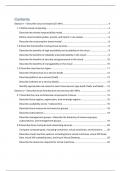
Session 1 – Describe cloud concepts (25-30%) ................................................................ 4
1.1 Define cloud computing ........................................................................................ 4
Describe the shared responsibility model................................................................. 5
Define cloud models (public, private, and hybrid + use cases) ................................... 6
Describe the consumption-based model ................................................................. 8
1.2 Describe the benefits of using cloud services ......................................................... 9
Describe the benefits of high availability and scalability in the cloud .......................... 9
Describe the benefits of reliability and predictability in the cloud ............................... 9
Describe the benefits of security and governance in the cloud ................................. 10
Describe the benefits of manageability in the cloud ................................................ 10
1.3 Describe cloud service types ............................................................................... 11
Describe infrastructure as a service (IaaS) .............................................................. 12
Describe platform as a service (PaaS) .................................................................... 12
Describe software as a service (SaaS) .................................................................... 12
Identify appropriate use cases for each cloud service type (IaaS, PaaS, and SaaS) .... 15
Session 2 – Describe Azure Architecture and services (35–40%) ..................................... 15
2.1 Describe the core architectural components of Azure ........................................... 15
Describe Azure regions, region pairs, and sovereign regions .................................... 15
Describe availability zones + datacenters ............................................................... 16
Describe Azure resources and resource groups ...................................................... 18
Describe subscriptions ......................................................................................... 19
Describe management groups + Describe the hierarchy of resource groups,
subscriptions, and management groups ................................................................ 19
2.2 Describe Azure compute and networking services ................................................ 20
Compare compute types, including containers, virtual machines, and functions ...... 20
Describe virtual machine options, including Azure virtual machines, Azure VM Scale
Sets, Azure VM availability sets, and Azure Virtual Desktop...................................... 20
Describe the resources required for virtual machines .............................................. 22
, Describe application hosting options, including web apps, containers, and virtual
machines ............................................................................................................. 23
Describe virtual networking, including the purpose of Azure virtual networks, Azure
virtual subnets, peering, Azure DNS, Azure VPN Gateway, and ExpressRoute ............ 26
Define public and private endpoints....................................................................... 29
2.3 Describe Azure Storage services .......................................................................... 30
Compare Azure Storage services ........................................................................... 30
Describe storage tiers ........................................................................................... 33
Describe redundancy options................................................................................ 33
Describe storage account options and storage types .............................................. 35
Identify options for moving files, including AzCopy, Azure Storage Explorer, and Azure
File Sync .............................................................................................................. 35
Describe migration options, including Azure Migrate and Azure Data Box .................. 36
2.4 Describe Azure identity, access, and security ....................................................... 38
Describe Directory Services (including Microsoft Entra ID and Microsoft Entra Domain
Services).............................................................................................................. 38
Describe authentication methods in Azure (including single sign-on (SSO), multi-factor
authentication (MFA), and passwordless) ............................................................... 40
Describe external identities (including B2B and B2C) .............................................. 42
Describe Microsoft Entra Conditional Access ......................................................... 43
Describe Azure role-based access control (RBAC) .................................................. 43
Describe the concept of Zero Trust ........................................................................ 44
Describe the purpose of the defense-in-depth model.............................................. 45
Describe the purpose of Microsoft Defender for Cloud ............................................ 46
Session 3 - Describe Azure management and governance (30–35%)................................ 48
3.1 Describe cost management in Azure .................................................................... 48
Describe factors that can affect costs in Azure ....................................................... 48
Compare the pricing calculator and the Total Cost of Ownership (TCO) Calculator .... 49
Describe cost management capabilities in Azure .................................................... 50
Describe the purpose of tags ................................................................................. 50
3.2 Describe features and tools in Azure for governance and compliance .................... 51
, Describe the purpose of Microsoft Purview in Azure ................................................ 51
Describe the purpose of Azure Policy ..................................................................... 52
Describe the purpose of resource locks ................................................................. 53
3.3 Describe features and tools for managing and deploying Azure resources .............. 54
Describe the Azure portal, Azure Cloud Shell, Azure Command-Line Interface (CLI) and
Azure PowerShell.................................................................................................. 54
Describe the purpose of Azure Arc ......................................................................... 55
Describe infrastructure as code (IaC) ..................................................................... 56
Describe Azure Resource Manager (ARM) and ARM templates ................................. 56
3.4 Describe monitoring tools in Azure ...................................................................... 57
Describe the purpose of Azure Advisor ................................................................... 57
Describe Azure Service Health .............................................................................. 58
Describe Azure Monitor, including Log Analytics, Azure Monitor alerts, and Application
Insights ................................................................................................................ 59
, Session 1 – Describe cloud concepts (25-30%)
1.1 Define cloud computing
Compute & Serverless & Storage
• Cloud is like electricity
o only pay for what you need
o don't worry about how & when power plants upgrade to the latest technology.
o you don't manage scaling, e.g. many people can move to town and light will stay on
• Cloud computing
o Solves management of hardware and software
o = Renting resources, like storage space or CPU cycles, on another company's computers
o Flexible and cost-efficient, e.g. you only pay for what you use.
• Cloud Provider
o Provides cloud computing services
o E.g. Microsoft, Amazon, Google
o Typical services:
▪ Compute power: such as Linux/Windows servers or web applications
▪ Storage: such as files and databases and blobs
▪ Networking: such as secure connections between the cloud provider and your
company/datacenter
▪ Analytics: such as visualizing telemetry and performance data
Compute Power
• Choose how you want work to be done based on your resources and needs.
• Virtual Machines (VM)
o Emulation of a computer, like your desktop / laptop
o Includes operating system and hardware, you can install any software on it.
o More control and responsibility over maintenance.
o Cloud provider runs it for you in one of its datacenters
▪ Often sharing that server with other VMs
• Containers
o Consistent, isolated execution environment for application
o Similar to VM but they don't require guest operating system
▪ They can run on different guest systems
▪ Highly portable, can run on-premises or in the cloud with often no changes
to application.
▪ Takes few seconds/lesser time to start up as there's no OS to initialize
o Application and its dependencies are packaged into a container
o Docker
▪ Open source
▪ The leading platform for managing containers.
Session 1 – Describe cloud concepts (25-30%) ................................................................ 4
1.1 Define cloud computing ........................................................................................ 4
Describe the shared responsibility model................................................................. 5
Define cloud models (public, private, and hybrid + use cases) ................................... 6
Describe the consumption-based model ................................................................. 8
1.2 Describe the benefits of using cloud services ......................................................... 9
Describe the benefits of high availability and scalability in the cloud .......................... 9
Describe the benefits of reliability and predictability in the cloud ............................... 9
Describe the benefits of security and governance in the cloud ................................. 10
Describe the benefits of manageability in the cloud ................................................ 10
1.3 Describe cloud service types ............................................................................... 11
Describe infrastructure as a service (IaaS) .............................................................. 12
Describe platform as a service (PaaS) .................................................................... 12
Describe software as a service (SaaS) .................................................................... 12
Identify appropriate use cases for each cloud service type (IaaS, PaaS, and SaaS) .... 15
Session 2 – Describe Azure Architecture and services (35–40%) ..................................... 15
2.1 Describe the core architectural components of Azure ........................................... 15
Describe Azure regions, region pairs, and sovereign regions .................................... 15
Describe availability zones + datacenters ............................................................... 16
Describe Azure resources and resource groups ...................................................... 18
Describe subscriptions ......................................................................................... 19
Describe management groups + Describe the hierarchy of resource groups,
subscriptions, and management groups ................................................................ 19
2.2 Describe Azure compute and networking services ................................................ 20
Compare compute types, including containers, virtual machines, and functions ...... 20
Describe virtual machine options, including Azure virtual machines, Azure VM Scale
Sets, Azure VM availability sets, and Azure Virtual Desktop...................................... 20
Describe the resources required for virtual machines .............................................. 22
, Describe application hosting options, including web apps, containers, and virtual
machines ............................................................................................................. 23
Describe virtual networking, including the purpose of Azure virtual networks, Azure
virtual subnets, peering, Azure DNS, Azure VPN Gateway, and ExpressRoute ............ 26
Define public and private endpoints....................................................................... 29
2.3 Describe Azure Storage services .......................................................................... 30
Compare Azure Storage services ........................................................................... 30
Describe storage tiers ........................................................................................... 33
Describe redundancy options................................................................................ 33
Describe storage account options and storage types .............................................. 35
Identify options for moving files, including AzCopy, Azure Storage Explorer, and Azure
File Sync .............................................................................................................. 35
Describe migration options, including Azure Migrate and Azure Data Box .................. 36
2.4 Describe Azure identity, access, and security ....................................................... 38
Describe Directory Services (including Microsoft Entra ID and Microsoft Entra Domain
Services).............................................................................................................. 38
Describe authentication methods in Azure (including single sign-on (SSO), multi-factor
authentication (MFA), and passwordless) ............................................................... 40
Describe external identities (including B2B and B2C) .............................................. 42
Describe Microsoft Entra Conditional Access ......................................................... 43
Describe Azure role-based access control (RBAC) .................................................. 43
Describe the concept of Zero Trust ........................................................................ 44
Describe the purpose of the defense-in-depth model.............................................. 45
Describe the purpose of Microsoft Defender for Cloud ............................................ 46
Session 3 - Describe Azure management and governance (30–35%)................................ 48
3.1 Describe cost management in Azure .................................................................... 48
Describe factors that can affect costs in Azure ....................................................... 48
Compare the pricing calculator and the Total Cost of Ownership (TCO) Calculator .... 49
Describe cost management capabilities in Azure .................................................... 50
Describe the purpose of tags ................................................................................. 50
3.2 Describe features and tools in Azure for governance and compliance .................... 51
, Describe the purpose of Microsoft Purview in Azure ................................................ 51
Describe the purpose of Azure Policy ..................................................................... 52
Describe the purpose of resource locks ................................................................. 53
3.3 Describe features and tools for managing and deploying Azure resources .............. 54
Describe the Azure portal, Azure Cloud Shell, Azure Command-Line Interface (CLI) and
Azure PowerShell.................................................................................................. 54
Describe the purpose of Azure Arc ......................................................................... 55
Describe infrastructure as code (IaC) ..................................................................... 56
Describe Azure Resource Manager (ARM) and ARM templates ................................. 56
3.4 Describe monitoring tools in Azure ...................................................................... 57
Describe the purpose of Azure Advisor ................................................................... 57
Describe Azure Service Health .............................................................................. 58
Describe Azure Monitor, including Log Analytics, Azure Monitor alerts, and Application
Insights ................................................................................................................ 59
, Session 1 – Describe cloud concepts (25-30%)
1.1 Define cloud computing
Compute & Serverless & Storage
• Cloud is like electricity
o only pay for what you need
o don't worry about how & when power plants upgrade to the latest technology.
o you don't manage scaling, e.g. many people can move to town and light will stay on
• Cloud computing
o Solves management of hardware and software
o = Renting resources, like storage space or CPU cycles, on another company's computers
o Flexible and cost-efficient, e.g. you only pay for what you use.
• Cloud Provider
o Provides cloud computing services
o E.g. Microsoft, Amazon, Google
o Typical services:
▪ Compute power: such as Linux/Windows servers or web applications
▪ Storage: such as files and databases and blobs
▪ Networking: such as secure connections between the cloud provider and your
company/datacenter
▪ Analytics: such as visualizing telemetry and performance data
Compute Power
• Choose how you want work to be done based on your resources and needs.
• Virtual Machines (VM)
o Emulation of a computer, like your desktop / laptop
o Includes operating system and hardware, you can install any software on it.
o More control and responsibility over maintenance.
o Cloud provider runs it for you in one of its datacenters
▪ Often sharing that server with other VMs
• Containers
o Consistent, isolated execution environment for application
o Similar to VM but they don't require guest operating system
▪ They can run on different guest systems
▪ Highly portable, can run on-premises or in the cloud with often no changes
to application.
▪ Takes few seconds/lesser time to start up as there's no OS to initialize
o Application and its dependencies are packaged into a container
o Docker
▪ Open source
▪ The leading platform for managing containers.


