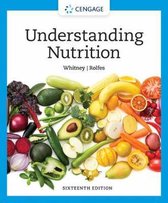
Understanding Nutrition 16th Edition
c c c c
TEST BANK
c c
Understanding Nutrition 16th Edition
c c c c
Ellie Whitney All Chapters 1 - 20
c c c c c c
, Understanding Nutrition 16th Edition c c c c
Table of Contents
c c
1. An Overview of Nutrition.
c c c
Highlight 1: Nutrition Information and Misinformation.
c c c c c
2. Planning a Healthy Diet. c c c
Highlight 2: Vegetarian Diets.
c c c c
3. Digestion, Absorption and Transport. c c c
Highlight 3: Common Digestive Problems.
c c c c c
4. The Carbohydrates: Sugars, Starches and Fibers.
c c c c c
Highlight 4: Carbs, kCalories and Controversies.
c c c c c c
5. The Lipids: Triglycerides, Phospholipids and Sterols.
c c c c c
Highlight 5: High-Fat Foods — Friend or Foe?
c c c c c c c c
6. Protein: Amino Acids. c c
Highlight 6: Nutritional Genomics.
c c c c
7. Energy Metabolism. c
Highlight 7: Alcohol in the Body.
c c c c c
8. Energy Balance and Body Composition.
c c c c
Highlight 8: Eating Disorders.
c c c c
9. Weight Management: Overweight, Obesity and Underweight.
c c c c c
Highlight 9: The Latest and Greatest Weight-Loss Diet — Again.
c c c c c c c c c c
10. The Water-Soluble Vitamins: B Vitamins and Vitamin C.
c c c c c c c
Highlight 10: Vitamin and Mineral Supplements.
c c c c c c
11. The Fat-Soluble Vitamins, A, D, E and K.
c c c c c c c
Highlight 11: Antioxidant Nutrients in Disease Prevention.
c c c c c c
12. Water and the Major Minerals.
c c c c
Highlight 12: Osteoporosis and Calcium.
c c c c c
13. The Trace Minerals.
c c
Highlight 13: Phytochemicals and Functional Foods.
c c c c c
14. Fitness: Physical Activity, Nutrients and Body Adaptations.
c c c c c c
Highlight 14: Supplements as Ergogenic Aids.
c c c c c c
15. Life Cycle Nutrition: Pregnancy and Lactation.
c c c c c
Highlight 15: Fetal Alcohol Syndrome.
c c c c c
16. Life Cycle Nutrition: Infancy, Childhood and Adolescence.
c c c c c c
Highlight 16: Childhood Obesity and the Early Development of Chronic Diseases.
c c c c c c c c c c
17. Life Cycle Nutrition: Adulthood and the Later Years.
c c c c c c c
Highlight 17: Nutrient-Drug Interactions.
c c c c
18. Diet and Health.
c c
Highlight 18: Complementary and Alternative Medicine.
c c c c c
19. Consumer Concerns About Foods and Water. c c c c c
Highlight 19: Food Biotechnology.
c c c c
20. Hunger and the Global Environment.
c c c c
Highlight 20: Environmentally Friendly Food Choices.
c c c c c
, Understanding Nutrition 16th Edition c c c c
Chapter 1 – An Overview of Nutrition
c c c c c c
MULTIPLE CHOICE c
1. Which characteristic is most typical of a chronic disease?
c c c c c c c c
a. It has a rapid onset.
c c c c
b. It rarely has noticeable symptoms.
c c c c
c. It produces sharp pains
c c c
d. It progresses gradually.
c c
e. It disrupts daily life, but is unlikely to be life-threatening.
c c c c c c c c c
ANSWER: D DIF: Bloom's: Understand c REF: Introduction c c
OBJ: UNUT.WHRO.16.1.1 Describe how various factors influence personal food
c c c c c c c c c
choices.
c
2. What is the chief reason most people choose the foods they eat?
c c c c c c c c c c c
a. cost
b. taste
c. convenience
d. nutritional value c
e. habit
ANSWER: B DIF: Bloom's: Remember c REF: 1.1 Food Choices c c c c
OBJ: UNUT.WHRO.16.1.1 Describe how various factors influence personal food choices.
c c c c c c c c c c
3. A child develops a strong dislike of noodle soup after she consumes a bowl while sick with the flu. Her
c c c c c c c c c c c c c c c c c c c
reaction is an example of a food-related
c c . c c c c c
a. habit
b. social interaction c
c. emotional turmoil c
d. negative association c
e. comfort eating c
ANSWER: D DIF: Bloom's: Evaluate c REF: 1.1 Food Choices c c c c
OBJ: UNUT.WHRO.16.1.1 Describe how various factors influence personal food choices.
c c c c c c c c c c
4. A person who eats a bowl of oatmeal for breakfast every day is most likely making a food choice
c c c c c c c c c c c c c c c c c c
based on
c . c
a. habit
b. availability
c. body image c
d. environmental concerns c
e. cultural values c
ANSWER: A DIF: Bloom's: Evaluate c REF: 1.1 Food Choices c c c c
OBJ: UNUT.WHRO.16.1.1 Describe how various factors influence personal food choices.
c c c c c c c c c c
5. Which individual is making a food choice based on negative association?
c c c c c c c c c c
a. A tourist from China who rejects a hamburger due to unfamiliarity
c c c c c c c c c c
b. A child who spits out his mashed potatoes because they taste too salty
c c c c c c c c c c c c
c. A teenager who grudgingly accepts an offer for an ice cream cone to avoid offending a
c c c c c c c c c c c c c c c
close friend
c c
d. An elderly gentleman who refuses a peanut butter and jelly sandwich because he considers
c c c c c c c c c c c c c
it a child's food
c c c c
e. An adult who refuses to eat foods that are not locally-sourced and organic
c c c c c c c c c c c c
, Understanding Nutrition 16th Edition c c c c
ANSWER: D DIF: Bloom's: Evaluate
c REF: 1.1 Food Choices c c c c
OBJ: UNUT.WHRO.16.1.1 Describe how various factors influence personal food choices.
c c c c c c c c c c
6. The motive for a person who alters his diet due to religious convictions is most likely related to his
c c c c c c c c c c c c c c c c c c
.
a. values
b. body image c
c. ethnic heritage c
d. functional association c
e. comfort
ANSWER: A DIF: Bloom's: Understand
c REF: 1.1 Food Choices c c c c
OBJ: UNUT.WHRO.16.1.1 Describe how various factors influence personal food choices.
c c c c c c c c c c
7. Farah is viewing an exciting sports match of her favorite team and eating because of nervousness. Her
c c c c c c c c c c c c c c c c
food choice will most likely be based on
c c c . c c c c c
a. regional cuisines c
b. preferences
c. emotional comfort c
d. positive association c
e. functional value c
ANSWER: C DIF: Bloom's: Evaluate
c REF: 1.1 Food Choices c c c c
OBJ: UNUT.WHRO.16.1.1 Describe how various factors influence personal food choices.
c c c c c c c c c c
8. What term describes foods that contain non nutrient substances whose known action in the body is to
c c c c c c c c c c c c c c c c
promote well-being to a greater extent than that contributed by the food's nutrients?
c c c c c c c c c c c c c
a. fortified foods c
b. enriched foods c
c. functional foods c
d. health-enhancing foods c
e. bioavailable foods c
ANSWER: C DIF: Bloom's: Understand
c REF: 1.1 Food Choices c c c c
OBJ: UNUT.WHRO.16.1.1 Describe how various factors influence personal food choices.
c c c c c c c c c c
9. Non nutrient substances found in plant foods that may demonstrate biological activity in the body are
c c c c c c c c c c c c c c c
commonly known as
c c c
a. Bio enhancements c
b. inorganic fibers c
c. phytochemicals
d. phytoactive chemicals c
e. nonnutritive additives c
ANSWER: C DIF: Bloom‘s Rememberc REF: 1.1 Food Choices c c c c
OBJ: UNUT.WHRO.16.1.1 Describe how various factors influence personal food choices.
c c c c c c c c c c
10. By chemical analysis, what nutrient is present in the highest amounts in most foods?
c c c c c c c c c c c c c
a. fats
b. water
c. proteins
d. carbohydrates
e. vitamins and minerals c c
ANSWER: B c DIF: Bloom's: Remember c REF: 1.2 The Nutrients c c c
c c c c
TEST BANK
c c
Understanding Nutrition 16th Edition
c c c c
Ellie Whitney All Chapters 1 - 20
c c c c c c
, Understanding Nutrition 16th Edition c c c c
Table of Contents
c c
1. An Overview of Nutrition.
c c c
Highlight 1: Nutrition Information and Misinformation.
c c c c c
2. Planning a Healthy Diet. c c c
Highlight 2: Vegetarian Diets.
c c c c
3. Digestion, Absorption and Transport. c c c
Highlight 3: Common Digestive Problems.
c c c c c
4. The Carbohydrates: Sugars, Starches and Fibers.
c c c c c
Highlight 4: Carbs, kCalories and Controversies.
c c c c c c
5. The Lipids: Triglycerides, Phospholipids and Sterols.
c c c c c
Highlight 5: High-Fat Foods — Friend or Foe?
c c c c c c c c
6. Protein: Amino Acids. c c
Highlight 6: Nutritional Genomics.
c c c c
7. Energy Metabolism. c
Highlight 7: Alcohol in the Body.
c c c c c
8. Energy Balance and Body Composition.
c c c c
Highlight 8: Eating Disorders.
c c c c
9. Weight Management: Overweight, Obesity and Underweight.
c c c c c
Highlight 9: The Latest and Greatest Weight-Loss Diet — Again.
c c c c c c c c c c
10. The Water-Soluble Vitamins: B Vitamins and Vitamin C.
c c c c c c c
Highlight 10: Vitamin and Mineral Supplements.
c c c c c c
11. The Fat-Soluble Vitamins, A, D, E and K.
c c c c c c c
Highlight 11: Antioxidant Nutrients in Disease Prevention.
c c c c c c
12. Water and the Major Minerals.
c c c c
Highlight 12: Osteoporosis and Calcium.
c c c c c
13. The Trace Minerals.
c c
Highlight 13: Phytochemicals and Functional Foods.
c c c c c
14. Fitness: Physical Activity, Nutrients and Body Adaptations.
c c c c c c
Highlight 14: Supplements as Ergogenic Aids.
c c c c c c
15. Life Cycle Nutrition: Pregnancy and Lactation.
c c c c c
Highlight 15: Fetal Alcohol Syndrome.
c c c c c
16. Life Cycle Nutrition: Infancy, Childhood and Adolescence.
c c c c c c
Highlight 16: Childhood Obesity and the Early Development of Chronic Diseases.
c c c c c c c c c c
17. Life Cycle Nutrition: Adulthood and the Later Years.
c c c c c c c
Highlight 17: Nutrient-Drug Interactions.
c c c c
18. Diet and Health.
c c
Highlight 18: Complementary and Alternative Medicine.
c c c c c
19. Consumer Concerns About Foods and Water. c c c c c
Highlight 19: Food Biotechnology.
c c c c
20. Hunger and the Global Environment.
c c c c
Highlight 20: Environmentally Friendly Food Choices.
c c c c c
, Understanding Nutrition 16th Edition c c c c
Chapter 1 – An Overview of Nutrition
c c c c c c
MULTIPLE CHOICE c
1. Which characteristic is most typical of a chronic disease?
c c c c c c c c
a. It has a rapid onset.
c c c c
b. It rarely has noticeable symptoms.
c c c c
c. It produces sharp pains
c c c
d. It progresses gradually.
c c
e. It disrupts daily life, but is unlikely to be life-threatening.
c c c c c c c c c
ANSWER: D DIF: Bloom's: Understand c REF: Introduction c c
OBJ: UNUT.WHRO.16.1.1 Describe how various factors influence personal food
c c c c c c c c c
choices.
c
2. What is the chief reason most people choose the foods they eat?
c c c c c c c c c c c
a. cost
b. taste
c. convenience
d. nutritional value c
e. habit
ANSWER: B DIF: Bloom's: Remember c REF: 1.1 Food Choices c c c c
OBJ: UNUT.WHRO.16.1.1 Describe how various factors influence personal food choices.
c c c c c c c c c c
3. A child develops a strong dislike of noodle soup after she consumes a bowl while sick with the flu. Her
c c c c c c c c c c c c c c c c c c c
reaction is an example of a food-related
c c . c c c c c
a. habit
b. social interaction c
c. emotional turmoil c
d. negative association c
e. comfort eating c
ANSWER: D DIF: Bloom's: Evaluate c REF: 1.1 Food Choices c c c c
OBJ: UNUT.WHRO.16.1.1 Describe how various factors influence personal food choices.
c c c c c c c c c c
4. A person who eats a bowl of oatmeal for breakfast every day is most likely making a food choice
c c c c c c c c c c c c c c c c c c
based on
c . c
a. habit
b. availability
c. body image c
d. environmental concerns c
e. cultural values c
ANSWER: A DIF: Bloom's: Evaluate c REF: 1.1 Food Choices c c c c
OBJ: UNUT.WHRO.16.1.1 Describe how various factors influence personal food choices.
c c c c c c c c c c
5. Which individual is making a food choice based on negative association?
c c c c c c c c c c
a. A tourist from China who rejects a hamburger due to unfamiliarity
c c c c c c c c c c
b. A child who spits out his mashed potatoes because they taste too salty
c c c c c c c c c c c c
c. A teenager who grudgingly accepts an offer for an ice cream cone to avoid offending a
c c c c c c c c c c c c c c c
close friend
c c
d. An elderly gentleman who refuses a peanut butter and jelly sandwich because he considers
c c c c c c c c c c c c c
it a child's food
c c c c
e. An adult who refuses to eat foods that are not locally-sourced and organic
c c c c c c c c c c c c
, Understanding Nutrition 16th Edition c c c c
ANSWER: D DIF: Bloom's: Evaluate
c REF: 1.1 Food Choices c c c c
OBJ: UNUT.WHRO.16.1.1 Describe how various factors influence personal food choices.
c c c c c c c c c c
6. The motive for a person who alters his diet due to religious convictions is most likely related to his
c c c c c c c c c c c c c c c c c c
.
a. values
b. body image c
c. ethnic heritage c
d. functional association c
e. comfort
ANSWER: A DIF: Bloom's: Understand
c REF: 1.1 Food Choices c c c c
OBJ: UNUT.WHRO.16.1.1 Describe how various factors influence personal food choices.
c c c c c c c c c c
7. Farah is viewing an exciting sports match of her favorite team and eating because of nervousness. Her
c c c c c c c c c c c c c c c c
food choice will most likely be based on
c c c . c c c c c
a. regional cuisines c
b. preferences
c. emotional comfort c
d. positive association c
e. functional value c
ANSWER: C DIF: Bloom's: Evaluate
c REF: 1.1 Food Choices c c c c
OBJ: UNUT.WHRO.16.1.1 Describe how various factors influence personal food choices.
c c c c c c c c c c
8. What term describes foods that contain non nutrient substances whose known action in the body is to
c c c c c c c c c c c c c c c c
promote well-being to a greater extent than that contributed by the food's nutrients?
c c c c c c c c c c c c c
a. fortified foods c
b. enriched foods c
c. functional foods c
d. health-enhancing foods c
e. bioavailable foods c
ANSWER: C DIF: Bloom's: Understand
c REF: 1.1 Food Choices c c c c
OBJ: UNUT.WHRO.16.1.1 Describe how various factors influence personal food choices.
c c c c c c c c c c
9. Non nutrient substances found in plant foods that may demonstrate biological activity in the body are
c c c c c c c c c c c c c c c
commonly known as
c c c
a. Bio enhancements c
b. inorganic fibers c
c. phytochemicals
d. phytoactive chemicals c
e. nonnutritive additives c
ANSWER: C DIF: Bloom‘s Rememberc REF: 1.1 Food Choices c c c c
OBJ: UNUT.WHRO.16.1.1 Describe how various factors influence personal food choices.
c c c c c c c c c c
10. By chemical analysis, what nutrient is present in the highest amounts in most foods?
c c c c c c c c c c c c c
a. fats
b. water
c. proteins
d. carbohydrates
e. vitamins and minerals c c
ANSWER: B c DIF: Bloom's: Remember c REF: 1.2 The Nutrients c c c