
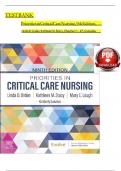
TEST BANK
mn
Priorities in Critical Care Nursing, 9th Edition,
mn mn mn mn mn mn
Linda D. Urden, Kathleen M. Stacy, Chapters 1 - 27, Complete
mn mn mn mn mn mn mn mn mn mn
,TABLE OF CONTENTS
mn mn
UNIT ONE: FOUNDATIONS IN CRITICAL CARE NURSING
mn mn mn mn mn mn
1. Caring for the Critically Ill Patient
mn mn mn mn mn
2. Ethical and Legal Issues
mn mn mn
3. Facilitating Care Transitions mn mn
UNIT TWO: COMMON PROBLEMS IN CRITICAL CARE
mn mn mn mn mn mn
4. Psychosocial and Spiritual Considerations mn mn mn
5. Nutritional Alterations and Management mn mn mn
6. The Older Adult
mn mn
7. Pain and Pain Management
mn mn mn
8. Sedation and Delirium Management mn mn mn
9. Palliative and End-of-Life Care mn mn mn
UNIT THREE: CARDIOVASCULAR ALTERATIONS
mn mn mn
10. Cardiovascular Clinical Assessment and Diagnostic Procedures mn mn mn mn mn
11. Cardiovascular Disorders mn
12. Cardiovascular Therapeutic Management mn mn
UNIT FOUR: PULMONARY ALTERATIONS
mn mn mn
13. Pulmonary Clinical Assessment and Diagnostic Proceduresmn mn mn mn mn
14. Pulmonary Disorders mn
15. Pulmonary Therapeutic Management mn mn
UNIT FIVE: NEUROLOGICAL ALTERATIONS
mn mn mn
16. Neurological Clinical Assessment and Diagnostic Procedures mn mn mn mn mn
17. Neurologic Disorders and Therapeutic Management mn mn mn mn
UNIT SIX: KIDNEY ALTERATIONS
mn mn mn
18. Kidney Clinical Assessment and Diagnostic Procedures
mn mn mn mn mn
19. Kidney Disorders and Therapeutic Management
mn mn mn mn
UNIT SEVEN: GASTROINTESTINAL ALTERATIONS
mn mn mn
20. Gastrointestinal Clinical Assessment and Diagnostic Procedures mn mn mn mn mn
21. Gastrointestinal Disorders and Therapeutic Management mn mn mn mn
UNIT EIGHT: ENDOCRINE ALTERATIONS
mn mn mn
22. Endocrine Clinical Assessment and Diagnostic Procedures
mn mn mn mn mn
23. Endocrine Disorders and Therapeutic Management mn mn mn mn
UNIT NINE: MULTISYSTEM ALTERATIONS
mn mn mn
24. Trauma
25. Burns
26. Shock, Sepsis, and Multiple Organ Dysfunction Syndrome
mn mn mn mn mn mn
27. Hematological and Oncological Emergencies mn mn mn
,Chapter 01: Critical Care Nursing Practice Urden:
mn mn mn mn mn m n
Critical Care Nursing, 9th
mn mn mn mn
MULTIPLE
CHOICE
m n
1. During World War II, what type of wards were developed to care for critically
mn mn mn mn mn mn mn mn mn mn mn mn mn
injured patients?
m n mn
a. Intensive care mn
b. Triage
c. Shock
d. Postoperative
ANS: C mn
During World War II, shock wards were established to care for critically injured patients.
mn mn mn mn mn mn mn mn mn mn mn mn mn
mTriage wards establish the order in which a patient is seen or treated upon arrival to a
n mn mn mn mn mn mn mn mn mn mn mn mn mn mn mn mn
mhospital. Postoperative wards were developed in 1900 and later evolved into intensive
n mn mn mn mn mn mn mn mn mn mn mn
care units.
mn m n
PTS: 1 DIF: Cognitive Level: Remembering
mn mn m n REF: p. 1 mn mn mn mn
OBJ: Nursing Process Step: N/A
m n mn TOP: Critical Care Nursing
m n mn mn mn mn mn mn
Practice MSC: NCLEX: Safe and Effective Care Environment
mn m n mn mn mn mn mn mn
2. What type of practitioner has a broad depth of specialty knowledge and expertise
mn mn mn mn mn mn mn mn mn mn mn mn
and manages complex clinical and system issues?
mn m n mn mn mn mn mn
a. Registered nurses mn
b. Advanced practice nurses mn mn
c. Clinical nurse leaders mn mn
d. Intensivists
ANS: B mn
Advanced practice nurses (APNs) have a broad depth of knowledge and expertise in their
mn mn mn mn mn mn mn mn mn mn mn mn mn
mspecialty area and manage complex clinical and systems issues. Intensivists are medical
n mn mn mn mn mn mn mn mn mn mn mn
m practitioners who manage the critical ill patient. Registered nurses (RNs) are generally direct
n mn mn mn mn mn mn mn mn mn mn mn mn
m care providers. Clinical nurse leaders (CNLs) generally do not manage system issues.
n mn mn mn mn mn mn mn mn mn mn mn
PTS: 1 DIF: Cognitive Level: Remembering
mn mn m n REF: p. 2 mn mn mn mn
OBJ: Nursing Process Step: N/A
m n mn TOP: Critical Care Nursing
m n mn mn mn mn mn mn
Practice MSC: NCLEX: Safe and Effective Care Environment
mn m n mn mn mn mn mn mn
3. What type of practitioner is instrumental in ensuring care that is evidence basedand
mn mn mn mn mn mn mn mn mn mn mn mn m
n
that safety programs are in place?
m n mn mn mn mn mn
a. Clinical nurse mn
specialist b.
m n mn
Advanced practice
mn m n
nurse c.
mn mn
Registered nurses mn
d. Nurse practitionersmn mn
ANS: A mn
, Clinical nurse specialists (CNSs) serve in specialty roles that use their clinical, teaching,
mn mn mn mn mn mn mn mn mn mn mn mn
m research, leadership, and consultative abilities. They are instrumental in ensuring that
n mn mn mn mn mn mn mn mn mn mn
careis evidence based and that safety programs are in place. Advanced practice nurses
mn m n mn mn mn mn mn mn mn mn mn mn mn
(APNs)have a broad depth of knowledge and expertise in their specialty area and
mn m n mn mn mn mn mn mn mn mn mn mn mn
manage complex clinical and systems issues. Registered nurses are generally direct care
mn mn m n mn mn mn mn mn mn mn mn mn
providers. Nurse practitioners (NPs) manage direct clinical care of groups of patients.
mn mn m n mn mn mn mn mn mn mn mn mn
PTS: 1 DIF: Cognitive Level: Remembering
mn mn m n REF: p. 2 mn mn mn mn
OBJ: Nursing Process Step: N/A
m n mn TOP: Critical Care Nursing
m n mn mn mn mn mn mn
Practice MSC: NCLEX: Safe and Effective Care Environment
mn m n mn mn mn mn mn mn
4. Which professional organization administers critical care certification exams for
mn mn mn mn mn mn mn mn
m n registered nurses? mn
a. State Board of Registered Nurses mn mn mn mn
b. National Association of Clinical NurseSpecialist mn mn mn mn mn
c. Society of Critical Care Medicine mn mn mn mn
d. American Association of Critical-CareNurses mn mn mn mn
ANS: D mn
American Association of Critical-Care Nurses (AACN) administers certification exams for
mn mn mn mn mn mn mn mn mn
m registered nurses. The State Board of Registered Nurses (SBON) does not administer
n mn mn mn mn mn mn mn mn mn mn mn
mcertification exams. National Association of Clinical Nurse Specialists (NACNS) does not
n mn mn mn mn mn mn mn mn mn mn
m administer certification exams. Society of Critical Care Medicine (SCCM) does not
n mn mn mn mn mn mn mn mn mn mn
m administer nursing certification exams for registered nurses.
n mn mn mn mn mn mn
PTS: 1 DIF: Cognitive Level: Remembering
mn mn m n REF: p. 3 mn mn mn mn
OBJ: Nursing Process Step: N/A
m n mn TOP: Critical Care Nursing
m n mn mn mn mn mn mn
Practice MSC: NCLEX: Safe and Effective Care Environment
mn m n mn mn mn mn mn mn
5. Emphasis is on human integrity and stresses the theory that the body, mind, and spirit
mn mn mn mn mn mn mn mn mn mn mn mn mn mn
m are interdependent and inseparable. This statement describes which methodology of
n mn mn mn mn mn mn mn mn mn
m care? n
a. Holistic care mn
b. Individualized care mn
c. Cultural care mn
d. Interdisciplinarycare m
n
ANS: A mn
Holistic care focuses on human integrity and stresses that the body, mind, and spirit are
mn mn mn mn mn mn mn mn mn mn mn mn mn mn
minterdependent and inseparable. Individualized care recognizes the uniqueness of each
n mn mn mn mn mn mn mn mn mn
m patient’s preferences, condition, and physiologic and psychosocial status. Cultural
n mn mn mn mn mn mn mn mn
diversityin
mn health care is not a new topic, but it is gaining emphasis and importance as the
m n mn mn mn mn mn mn mn mn mn mn mn mn mn mn mn
world becomes more accessible to all as the result of increasing technologies and interfaces
mn m n mn mn mn mn mn mn mn mn mn mn mn mn
with places and peoples. Interdisciplinary care is care among a variety of health care
mn m n mn mn mn mn mn mn mn mn mn mn mn mn
professionals with the patient’s health as the common goal.
mn m n mn mn mn mn mn mn mn
PTS: 1 DIF: Cognitive Level: Remembering
mn mn m n REF: p. 4 mn mn mn mn
OBJ: Nursing Process Step: N/A
m n mn TOP: Critical Care Nursing
m n mn mn mn mn mn mn
Practice MSC: NCLEX: Safe and Effective Care Environment
mn m n mn mn mn mn mn mn
mn
Priorities in Critical Care Nursing, 9th Edition,
mn mn mn mn mn mn
Linda D. Urden, Kathleen M. Stacy, Chapters 1 - 27, Complete
mn mn mn mn mn mn mn mn mn mn
,TABLE OF CONTENTS
mn mn
UNIT ONE: FOUNDATIONS IN CRITICAL CARE NURSING
mn mn mn mn mn mn
1. Caring for the Critically Ill Patient
mn mn mn mn mn
2. Ethical and Legal Issues
mn mn mn
3. Facilitating Care Transitions mn mn
UNIT TWO: COMMON PROBLEMS IN CRITICAL CARE
mn mn mn mn mn mn
4. Psychosocial and Spiritual Considerations mn mn mn
5. Nutritional Alterations and Management mn mn mn
6. The Older Adult
mn mn
7. Pain and Pain Management
mn mn mn
8. Sedation and Delirium Management mn mn mn
9. Palliative and End-of-Life Care mn mn mn
UNIT THREE: CARDIOVASCULAR ALTERATIONS
mn mn mn
10. Cardiovascular Clinical Assessment and Diagnostic Procedures mn mn mn mn mn
11. Cardiovascular Disorders mn
12. Cardiovascular Therapeutic Management mn mn
UNIT FOUR: PULMONARY ALTERATIONS
mn mn mn
13. Pulmonary Clinical Assessment and Diagnostic Proceduresmn mn mn mn mn
14. Pulmonary Disorders mn
15. Pulmonary Therapeutic Management mn mn
UNIT FIVE: NEUROLOGICAL ALTERATIONS
mn mn mn
16. Neurological Clinical Assessment and Diagnostic Procedures mn mn mn mn mn
17. Neurologic Disorders and Therapeutic Management mn mn mn mn
UNIT SIX: KIDNEY ALTERATIONS
mn mn mn
18. Kidney Clinical Assessment and Diagnostic Procedures
mn mn mn mn mn
19. Kidney Disorders and Therapeutic Management
mn mn mn mn
UNIT SEVEN: GASTROINTESTINAL ALTERATIONS
mn mn mn
20. Gastrointestinal Clinical Assessment and Diagnostic Procedures mn mn mn mn mn
21. Gastrointestinal Disorders and Therapeutic Management mn mn mn mn
UNIT EIGHT: ENDOCRINE ALTERATIONS
mn mn mn
22. Endocrine Clinical Assessment and Diagnostic Procedures
mn mn mn mn mn
23. Endocrine Disorders and Therapeutic Management mn mn mn mn
UNIT NINE: MULTISYSTEM ALTERATIONS
mn mn mn
24. Trauma
25. Burns
26. Shock, Sepsis, and Multiple Organ Dysfunction Syndrome
mn mn mn mn mn mn
27. Hematological and Oncological Emergencies mn mn mn
,Chapter 01: Critical Care Nursing Practice Urden:
mn mn mn mn mn m n
Critical Care Nursing, 9th
mn mn mn mn
MULTIPLE
CHOICE
m n
1. During World War II, what type of wards were developed to care for critically
mn mn mn mn mn mn mn mn mn mn mn mn mn
injured patients?
m n mn
a. Intensive care mn
b. Triage
c. Shock
d. Postoperative
ANS: C mn
During World War II, shock wards were established to care for critically injured patients.
mn mn mn mn mn mn mn mn mn mn mn mn mn
mTriage wards establish the order in which a patient is seen or treated upon arrival to a
n mn mn mn mn mn mn mn mn mn mn mn mn mn mn mn mn
mhospital. Postoperative wards were developed in 1900 and later evolved into intensive
n mn mn mn mn mn mn mn mn mn mn mn
care units.
mn m n
PTS: 1 DIF: Cognitive Level: Remembering
mn mn m n REF: p. 1 mn mn mn mn
OBJ: Nursing Process Step: N/A
m n mn TOP: Critical Care Nursing
m n mn mn mn mn mn mn
Practice MSC: NCLEX: Safe and Effective Care Environment
mn m n mn mn mn mn mn mn
2. What type of practitioner has a broad depth of specialty knowledge and expertise
mn mn mn mn mn mn mn mn mn mn mn mn
and manages complex clinical and system issues?
mn m n mn mn mn mn mn
a. Registered nurses mn
b. Advanced practice nurses mn mn
c. Clinical nurse leaders mn mn
d. Intensivists
ANS: B mn
Advanced practice nurses (APNs) have a broad depth of knowledge and expertise in their
mn mn mn mn mn mn mn mn mn mn mn mn mn
mspecialty area and manage complex clinical and systems issues. Intensivists are medical
n mn mn mn mn mn mn mn mn mn mn mn
m practitioners who manage the critical ill patient. Registered nurses (RNs) are generally direct
n mn mn mn mn mn mn mn mn mn mn mn mn
m care providers. Clinical nurse leaders (CNLs) generally do not manage system issues.
n mn mn mn mn mn mn mn mn mn mn mn
PTS: 1 DIF: Cognitive Level: Remembering
mn mn m n REF: p. 2 mn mn mn mn
OBJ: Nursing Process Step: N/A
m n mn TOP: Critical Care Nursing
m n mn mn mn mn mn mn
Practice MSC: NCLEX: Safe and Effective Care Environment
mn m n mn mn mn mn mn mn
3. What type of practitioner is instrumental in ensuring care that is evidence basedand
mn mn mn mn mn mn mn mn mn mn mn mn m
n
that safety programs are in place?
m n mn mn mn mn mn
a. Clinical nurse mn
specialist b.
m n mn
Advanced practice
mn m n
nurse c.
mn mn
Registered nurses mn
d. Nurse practitionersmn mn
ANS: A mn
, Clinical nurse specialists (CNSs) serve in specialty roles that use their clinical, teaching,
mn mn mn mn mn mn mn mn mn mn mn mn
m research, leadership, and consultative abilities. They are instrumental in ensuring that
n mn mn mn mn mn mn mn mn mn mn
careis evidence based and that safety programs are in place. Advanced practice nurses
mn m n mn mn mn mn mn mn mn mn mn mn mn
(APNs)have a broad depth of knowledge and expertise in their specialty area and
mn m n mn mn mn mn mn mn mn mn mn mn mn
manage complex clinical and systems issues. Registered nurses are generally direct care
mn mn m n mn mn mn mn mn mn mn mn mn
providers. Nurse practitioners (NPs) manage direct clinical care of groups of patients.
mn mn m n mn mn mn mn mn mn mn mn mn
PTS: 1 DIF: Cognitive Level: Remembering
mn mn m n REF: p. 2 mn mn mn mn
OBJ: Nursing Process Step: N/A
m n mn TOP: Critical Care Nursing
m n mn mn mn mn mn mn
Practice MSC: NCLEX: Safe and Effective Care Environment
mn m n mn mn mn mn mn mn
4. Which professional organization administers critical care certification exams for
mn mn mn mn mn mn mn mn
m n registered nurses? mn
a. State Board of Registered Nurses mn mn mn mn
b. National Association of Clinical NurseSpecialist mn mn mn mn mn
c. Society of Critical Care Medicine mn mn mn mn
d. American Association of Critical-CareNurses mn mn mn mn
ANS: D mn
American Association of Critical-Care Nurses (AACN) administers certification exams for
mn mn mn mn mn mn mn mn mn
m registered nurses. The State Board of Registered Nurses (SBON) does not administer
n mn mn mn mn mn mn mn mn mn mn mn
mcertification exams. National Association of Clinical Nurse Specialists (NACNS) does not
n mn mn mn mn mn mn mn mn mn mn
m administer certification exams. Society of Critical Care Medicine (SCCM) does not
n mn mn mn mn mn mn mn mn mn mn
m administer nursing certification exams for registered nurses.
n mn mn mn mn mn mn
PTS: 1 DIF: Cognitive Level: Remembering
mn mn m n REF: p. 3 mn mn mn mn
OBJ: Nursing Process Step: N/A
m n mn TOP: Critical Care Nursing
m n mn mn mn mn mn mn
Practice MSC: NCLEX: Safe and Effective Care Environment
mn m n mn mn mn mn mn mn
5. Emphasis is on human integrity and stresses the theory that the body, mind, and spirit
mn mn mn mn mn mn mn mn mn mn mn mn mn mn
m are interdependent and inseparable. This statement describes which methodology of
n mn mn mn mn mn mn mn mn mn
m care? n
a. Holistic care mn
b. Individualized care mn
c. Cultural care mn
d. Interdisciplinarycare m
n
ANS: A mn
Holistic care focuses on human integrity and stresses that the body, mind, and spirit are
mn mn mn mn mn mn mn mn mn mn mn mn mn mn
minterdependent and inseparable. Individualized care recognizes the uniqueness of each
n mn mn mn mn mn mn mn mn mn
m patient’s preferences, condition, and physiologic and psychosocial status. Cultural
n mn mn mn mn mn mn mn mn
diversityin
mn health care is not a new topic, but it is gaining emphasis and importance as the
m n mn mn mn mn mn mn mn mn mn mn mn mn mn mn mn
world becomes more accessible to all as the result of increasing technologies and interfaces
mn m n mn mn mn mn mn mn mn mn mn mn mn mn
with places and peoples. Interdisciplinary care is care among a variety of health care
mn m n mn mn mn mn mn mn mn mn mn mn mn mn
professionals with the patient’s health as the common goal.
mn m n mn mn mn mn mn mn mn
PTS: 1 DIF: Cognitive Level: Remembering
mn mn m n REF: p. 4 mn mn mn mn
OBJ: Nursing Process Step: N/A
m n mn TOP: Critical Care Nursing
m n mn mn mn mn mn mn
Practice MSC: NCLEX: Safe and Effective Care Environment
mn m n mn mn mn mn mn mn


