
bu
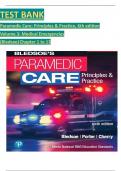
TEST BANK
Paramedic Care: Principles & Practice, 6th edition
Volume 3: Medical Emergencies
(Bledsoe) Chapter 1 to 13
, Volume 3: Medical Emergencies
bu bu bu
Table of contents:
bu bu
Chapter 1: Pulmonology
bu b u
Chapter 2: Cardiology
bu bu
Chapter 3: Neurology
bu bu
Chapter 4: Endocrinology
bu bu
Chapter 5: Immunology
bu bu
Chapter 6: Gastroenterology
bu bu
Chapter 7: Urology and Nephrology
bu bu bu bu
Chapter 8: Toxicology and Substance Abuse
bu bu bu bu bu
Chapter 9: Hematology
bu bu
Chapter 10: Infectious Diseases and Sepsis
bu bu bu bu bu
Chapter 11: Psychiatric and Behavioral Disorders
bu bu bu bu bu
Chapter 12: Diseases of the Eyes, Ears, Nose, and Throat
bu bu bu bu bu bu bu bu bu
Chapter 13: Nontraumatic Musculoskeletal Disorders
bu bu bu bu
,bu
Volume 3: Medical Emergencies bu bu bu
Chapter 1: Pulmonology bu b u
1) Which of the following is the most important intrinsic risk factor for respiratory disease?
bu bu bu bu bu bu bu bu bu bu bu bu bu bu
A) Environment
bu
B) Smoking
bu
C) Sedentary lifestyle
bu bu
D) Family history
bu bu
Answer: D b u
Diff: 1bu Page Ref: 3
b u bu bu
Standard: Medicine (Respiratory) b u bu
Objective: 2 b u
2) Air entering and leaving the lungs via inspiration and expiration is known as:
bu bu bu bu bu bu bu bu bu bu bu bu bu
A) ventilation.
bu
B) respirations.
bu
C) perfusion.
bu
D) oxygenation.
bu
Answer: A b u
Diff: 1bu Page Ref: 8
b u bu bu
Standard: Medicine (Respiratory) b u bu
Objective: 1, 3 b u bu
3) The diaphragm is controlled by the
bu bu bu bu bu bu nerve.
A) vagus
bu
B) olfactory
bu
C) abducens
bu
D) phrenic
bu
Answer: D b u
Diff: 1bu Page Ref: 7-8
b u bu bu
Standard: Medicine (Respiratory) b u bu
Objective: 3, 4 b u bu
4) An example of diffusion in the respiratory system is movement of:
bu bu bu bu bu bu bu bu bu bu bu
A) oxygen from the alveoli into the pulmonary capillaries.
bu bu bu bu bu bu bu bu
B) air from the outside environment into the lungs.
bu bu bu bu bu bu bu bu
C) oxygen from the tissues into the systemic capillaries.
bu bu bu bu bu bu bu bu
D) carbon dioxide from the alveoli into the pulmonary capillaries.
bu bu bu bu bu bu bu bu bu
Answer: A b u
Diff: 2bu Page Ref: 11
b u bu bu
Standard: Medicine (Respiratory) b u bu
Objective: 1, 4 b u bu
,bu
5) Airway resistance is increased by:
bu bu bu bu bu
A) sympathetic nervous system stimulation.
bu bu bu bu
B) decreased elasticity of the chest wall.
bu bu bu bu bu bu
C) anticholinergic drugs.
bu bu
D) bronchospasm.
bu
Answer: D b u
Diff: 2bu Page Ref: 9
b u bu bu
Standard: Medicine (Respiratory)
b u bu
Objective: 4 b u
6) Which of the following patients are at risk for the most common cause of upper airway
bu bu bu bu bu bu bu bu bu bu bu bu bu bu bu bu
obstruction?
A) 4-year-old male with croup
bu bu bu bu
B) 21-year-old female unconscious and supine on the floor
bu bu bu bu bu bu bu bu
C) 22-year-old female stung by a wasp
bu bu bu bu bu bu
D) 5-year-old female with epiglottitis
bu bu bu bu
Answer: B bu
Diff: 2bu Page Ref: 25
b u bu bu
Standard: Medicine (Respiratory)
b u bu
Objective: 7 b u
7) Normal tidal volume in an average 70 kg adult is approximately
bu bu bu bu bu bu bu bu bu bu bu e.
A) 1,500
bu
B) 1,000
bu
C) 750
bu
D) 500
bu
Answer: D b u
Diff: 1bu Page Ref: 9
b u bu bu
Standard: Medicine (Respiratory)
b u bu
Objective: 4 b u
8) After a normal inspiration and expiration, an adult patient has about 2,400 mL of air
bu bu bu bu bu bu bu bu bu bu bu bu bu bu bu
remaining in the lungs, known as the:
bu bu bu bu bu bu
A) expiratory reserve volume.
bu bu bu
B) residual volume.
bu bu
C) functional residual capacity.
bu bu bu
D) vital capacity.
bu bu
Answer: C b u
Diff: 1bu Page Ref: 9
b u bu bu
Standard: Medicine (Respiratory)
b u bu
Objective: 4 b u
TEST BANK
Paramedic Care: Principles & Practice, 6th edition
Volume 3: Medical Emergencies
(Bledsoe) Chapter 1 to 13
, Volume 3: Medical Emergencies
bu bu bu
Table of contents:
bu bu
Chapter 1: Pulmonology
bu b u
Chapter 2: Cardiology
bu bu
Chapter 3: Neurology
bu bu
Chapter 4: Endocrinology
bu bu
Chapter 5: Immunology
bu bu
Chapter 6: Gastroenterology
bu bu
Chapter 7: Urology and Nephrology
bu bu bu bu
Chapter 8: Toxicology and Substance Abuse
bu bu bu bu bu
Chapter 9: Hematology
bu bu
Chapter 10: Infectious Diseases and Sepsis
bu bu bu bu bu
Chapter 11: Psychiatric and Behavioral Disorders
bu bu bu bu bu
Chapter 12: Diseases of the Eyes, Ears, Nose, and Throat
bu bu bu bu bu bu bu bu bu
Chapter 13: Nontraumatic Musculoskeletal Disorders
bu bu bu bu
,bu
Volume 3: Medical Emergencies bu bu bu
Chapter 1: Pulmonology bu b u
1) Which of the following is the most important intrinsic risk factor for respiratory disease?
bu bu bu bu bu bu bu bu bu bu bu bu bu bu
A) Environment
bu
B) Smoking
bu
C) Sedentary lifestyle
bu bu
D) Family history
bu bu
Answer: D b u
Diff: 1bu Page Ref: 3
b u bu bu
Standard: Medicine (Respiratory) b u bu
Objective: 2 b u
2) Air entering and leaving the lungs via inspiration and expiration is known as:
bu bu bu bu bu bu bu bu bu bu bu bu bu
A) ventilation.
bu
B) respirations.
bu
C) perfusion.
bu
D) oxygenation.
bu
Answer: A b u
Diff: 1bu Page Ref: 8
b u bu bu
Standard: Medicine (Respiratory) b u bu
Objective: 1, 3 b u bu
3) The diaphragm is controlled by the
bu bu bu bu bu bu nerve.
A) vagus
bu
B) olfactory
bu
C) abducens
bu
D) phrenic
bu
Answer: D b u
Diff: 1bu Page Ref: 7-8
b u bu bu
Standard: Medicine (Respiratory) b u bu
Objective: 3, 4 b u bu
4) An example of diffusion in the respiratory system is movement of:
bu bu bu bu bu bu bu bu bu bu bu
A) oxygen from the alveoli into the pulmonary capillaries.
bu bu bu bu bu bu bu bu
B) air from the outside environment into the lungs.
bu bu bu bu bu bu bu bu
C) oxygen from the tissues into the systemic capillaries.
bu bu bu bu bu bu bu bu
D) carbon dioxide from the alveoli into the pulmonary capillaries.
bu bu bu bu bu bu bu bu bu
Answer: A b u
Diff: 2bu Page Ref: 11
b u bu bu
Standard: Medicine (Respiratory) b u bu
Objective: 1, 4 b u bu
,bu
5) Airway resistance is increased by:
bu bu bu bu bu
A) sympathetic nervous system stimulation.
bu bu bu bu
B) decreased elasticity of the chest wall.
bu bu bu bu bu bu
C) anticholinergic drugs.
bu bu
D) bronchospasm.
bu
Answer: D b u
Diff: 2bu Page Ref: 9
b u bu bu
Standard: Medicine (Respiratory)
b u bu
Objective: 4 b u
6) Which of the following patients are at risk for the most common cause of upper airway
bu bu bu bu bu bu bu bu bu bu bu bu bu bu bu bu
obstruction?
A) 4-year-old male with croup
bu bu bu bu
B) 21-year-old female unconscious and supine on the floor
bu bu bu bu bu bu bu bu
C) 22-year-old female stung by a wasp
bu bu bu bu bu bu
D) 5-year-old female with epiglottitis
bu bu bu bu
Answer: B bu
Diff: 2bu Page Ref: 25
b u bu bu
Standard: Medicine (Respiratory)
b u bu
Objective: 7 b u
7) Normal tidal volume in an average 70 kg adult is approximately
bu bu bu bu bu bu bu bu bu bu bu e.
A) 1,500
bu
B) 1,000
bu
C) 750
bu
D) 500
bu
Answer: D b u
Diff: 1bu Page Ref: 9
b u bu bu
Standard: Medicine (Respiratory)
b u bu
Objective: 4 b u
8) After a normal inspiration and expiration, an adult patient has about 2,400 mL of air
bu bu bu bu bu bu bu bu bu bu bu bu bu bu bu
remaining in the lungs, known as the:
bu bu bu bu bu bu
A) expiratory reserve volume.
bu bu bu
B) residual volume.
bu bu
C) functional residual capacity.
bu bu bu
D) vital capacity.
bu bu
Answer: C b u
Diff: 1bu Page Ref: 9
b u bu bu
Standard: Medicine (Respiratory)
b u bu
Objective: 4 b u


