
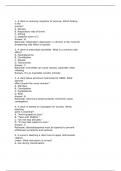
1. A client is receiving morphine IV post-op. Which finding
is the
priority?
A. Nausea
B. Respiratory rate of 8/min
C. Itching
D. Sedation score of 2
Answer: B
Rationale: Respiratory depression (<12/min) is the most life
threatening side effect of opioids.
2. A client is prescribed exenatide. What is a common side
effect?
A. Hyperglycemia
B. Constipation
C. Nausea
D. Tachycardia
Answer: C
Rationale: Exenatide can cause nausea, especially when
initiating
therapy. It’s an injectable incretin mimetic.
3. A client takes aluminum hydroxide for GERD. What
adverse
effect should the nurse monitor?
A. Diarrhea
B. Constipation
C. Hypokalemia
D. Rash
Answer: B
Rationale: Aluminum-based antacids commonly cause
constipation.
4. A client is started on lorazepam for anxiety. Which
teaching
point is essential?
A. “Avoid grapefruit juice.”
B. “Take with NSAIDs.”
C. “Do not stop abruptly.”
D. “It may take weeks to work.”
Answer: C
Rationale: Benzodiazepines must be tapered to prevent
withdrawal symptoms and seizures.
5. A nurse is teaching a client how to apply clotrimazole
vaginal
cream. What instruction is correct?
A. Use during menstruation
, B. Stop once symptoms go away
C. Use applicator at bedtime
D. Use with a tampon
Answer: C
Rationale: For maximum effect, apply at bedtime using the
applicator. Avoid tampons during treatment.
6. A nurse is preparing to administer metoprolol. Which
assessment is priority?
A. Respiratory rate
B. Heart rate
C. Oxygen saturation
D. Blood glucose
Answer: B
Rationale: Metoprolol can cause bradycardia. Always check
HR
before administering.
7. A client with chronic constipation uses magnesium
citrate
daily. What risk should the nurse discuss?
A. Hypertension
B. Hypernatremia
C. Electrolyte imbalance
D. Dehydration
Answer: C
Rationale: Chronic laxative use, especially osmotic types
like
magnesium citrate, causes fluid and electrolyte imbalances.
8. What should the nurse include when teaching a client
taking
ferrous sulfate?
A. Take with milk
B. Take with food if GI upset occurs
C. Expect pale stools
D. Avoid vitamin C
Answer: B
Rationale: Iron can upset the stomach. If so, take with food
(but
not dairy). Vitamin C increases absorption.
9. A client on lithium therapy has a sodium level of 128
mEq/L.
What is the nurse's best action?
A. Encourage low-sodium diet
B. Administer next dose
C. Hold the dose and notify the provider
D. Increase fluid restriction
Answer: C
is the
priority?
A. Nausea
B. Respiratory rate of 8/min
C. Itching
D. Sedation score of 2
Answer: B
Rationale: Respiratory depression (<12/min) is the most life
threatening side effect of opioids.
2. A client is prescribed exenatide. What is a common side
effect?
A. Hyperglycemia
B. Constipation
C. Nausea
D. Tachycardia
Answer: C
Rationale: Exenatide can cause nausea, especially when
initiating
therapy. It’s an injectable incretin mimetic.
3. A client takes aluminum hydroxide for GERD. What
adverse
effect should the nurse monitor?
A. Diarrhea
B. Constipation
C. Hypokalemia
D. Rash
Answer: B
Rationale: Aluminum-based antacids commonly cause
constipation.
4. A client is started on lorazepam for anxiety. Which
teaching
point is essential?
A. “Avoid grapefruit juice.”
B. “Take with NSAIDs.”
C. “Do not stop abruptly.”
D. “It may take weeks to work.”
Answer: C
Rationale: Benzodiazepines must be tapered to prevent
withdrawal symptoms and seizures.
5. A nurse is teaching a client how to apply clotrimazole
vaginal
cream. What instruction is correct?
A. Use during menstruation
, B. Stop once symptoms go away
C. Use applicator at bedtime
D. Use with a tampon
Answer: C
Rationale: For maximum effect, apply at bedtime using the
applicator. Avoid tampons during treatment.
6. A nurse is preparing to administer metoprolol. Which
assessment is priority?
A. Respiratory rate
B. Heart rate
C. Oxygen saturation
D. Blood glucose
Answer: B
Rationale: Metoprolol can cause bradycardia. Always check
HR
before administering.
7. A client with chronic constipation uses magnesium
citrate
daily. What risk should the nurse discuss?
A. Hypertension
B. Hypernatremia
C. Electrolyte imbalance
D. Dehydration
Answer: C
Rationale: Chronic laxative use, especially osmotic types
like
magnesium citrate, causes fluid and electrolyte imbalances.
8. What should the nurse include when teaching a client
taking
ferrous sulfate?
A. Take with milk
B. Take with food if GI upset occurs
C. Expect pale stools
D. Avoid vitamin C
Answer: B
Rationale: Iron can upset the stomach. If so, take with food
(but
not dairy). Vitamin C increases absorption.
9. A client on lithium therapy has a sodium level of 128
mEq/L.
What is the nurse's best action?
A. Encourage low-sodium diet
B. Administer next dose
C. Hold the dose and notify the provider
D. Increase fluid restriction
Answer: C


