

INSTRUCTIONS:
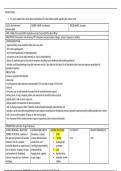
1. For each chapter that teaches about medications, fill in the following table regarding the chosen meds.
CLASS: Anti-Infectives/ GENERIC NAME: Levofloxacin TRADE NAMES: Levaquin
antimicrobials
MOA: inhibits the bacterial DNA replication and are bactericidal (bacteria killing)
INDICATIONS: Pneumonia/ skin infections/UTI’s/treatment and prevention of plague, and post exposure to anthrax
CONTRAINDICATIONS:
- hypersensitivity (cross-sensitivity within class may exist)
- QTc interval prolongation
- uncorrected hypokalemia or hypomagnesemia
- concurrent use of class IA antiarrhythmics or class III antiarrhythmics
- history of myasthenia gravis (may worsen symptoms including muscle weakness and breathing problems)
- lactation: avoid breastfeeding during this treatment and for 2 days after the final dose (for all indications other than post-exposure prophylaxis of
inhalational anthrax)
PRECAUTIONS:
-known or suspected CNS disorder
-depression
-renal impairment (dose decrease recommended if CCr less than or equal to 50 mL/min)
-cirrhosis
-concurrent use of corticosteroids (increased risk of tendonitis/tendon rupture)
-kidney, heart, or lung transplant patients (increased risk of tenonitis/tendon rupture)
-patients with or risk of aortic aneurysms
-dialysis patients (increased risk of adverse reactions)
- OB: use during pregnancy ONLY if potential maternal benefit outweighs potential fetal risk
-Lactation: can be used while breastfeeding for post-exposure prophylaxis of inhalational anthrax if potential maternal benefit justifies potential risk to infant
-Pedi: can be used for patients 18 years or older (not younger)
-Geri: increased risk for tendon disorders/rupture, hepatoxicity, aortic aneurysm/dissection
INTERACTIONS with other Drugs/Substances:
PATIENT RESPONSE / REACTIONS: COMMON SIDE EFFECTS: ADVERSE REACTIONS: S/S TOXICITY: TOXICITY/OVERDOSE TX:
DESIRED OUTCOME: resolution of Drowsiness, GI upset C-Diff
the signs and symptoms of bacterial (nausea abdominal pain, fainting -N/A -N/A
infection. Time for complete and diarrhea, and prolonged QT
resolution depends on organism and vomiting) hypersensitivity, syndrome
site of infection. Avoidance of signs photosensitivity, rash
and symptoms of inhalational hypoglycemia, vaginitis, hepatotoxicity,
anthrax. Prevention and treatment mood changes tendinitis, tendon
of plague. rupture,
, peripheral
neuropathy.
Discontinue
immediately if
tendonitis, tendon
rupture, jaundice,
peripheral
neuropathy, CNS
Effects, or muscle
weakness in
clients
with myasthenia
gravis
NURSING ACTIONS: ASSESS: CARE/IMPLEMENT: TEACH: EVALUATE:
Monitor patients (vital signs: assess for infection PO: may be instruct patients to resolution of the
appearance of wound, (vital signs: administered take medication as signs and
sputum, urine, and stool; appearance of without meals. directed at evenly symptoms of
WBC; urinalysis; frequency wound, sputum, Products or foods spaced times. Finish bacterial infection.
and urgency of urination; urine, and stool; that contain completely even If (Time for complete
cloudy or foul-smelling WBC; urinalysis; calcium, feeling better. If a resolution
urine) at beginning and frequency and magnesium, dose is missed take depends on
during therapy. urgency of aluminum, iron, or as soon as possible organism and site
Identify if patient has any urination; cloudy zinc should not be unless almost time of infection)
underlying issues that might or foul-smelling ingested for 4 hrs. for next dose (do not
interfere with recovery and urine) at beginning before and 2 hrs. double dose).
drug administration. and during after Sharing of this
DO NOT confuse therapy. administration medication is
levofloxacin with Obtain specimens Can also be given dangerous and never
levetiracetam for culture and through IV advised.
Maintain good hygiene and sensitivity before Give with plenty of Advise patients to
infection control practice initiating therapy, fluids notify health care
when in contact with patient first dose may be Dosage adjustment professional
to prevent transmission.
given before if renal or hepatic immediately if they
receiving results. impairment are taking
Observe patient for Use cautiously if theophylline
signs and patient has history Encourage patient to
symptoms of of seizures maintain fluid intake
anaphylaxis (rash, Black box warning: of at least 1500-2000
pruritus, laryngeal associated with mL/day to prevent
1. For each chapter that teaches about medications, fill in the following table regarding the chosen meds.
CLASS: Anti-Infectives/ GENERIC NAME: Levofloxacin TRADE NAMES: Levaquin
antimicrobials
MOA: inhibits the bacterial DNA replication and are bactericidal (bacteria killing)
INDICATIONS: Pneumonia/ skin infections/UTI’s/treatment and prevention of plague, and post exposure to anthrax
CONTRAINDICATIONS:
- hypersensitivity (cross-sensitivity within class may exist)
- QTc interval prolongation
- uncorrected hypokalemia or hypomagnesemia
- concurrent use of class IA antiarrhythmics or class III antiarrhythmics
- history of myasthenia gravis (may worsen symptoms including muscle weakness and breathing problems)
- lactation: avoid breastfeeding during this treatment and for 2 days after the final dose (for all indications other than post-exposure prophylaxis of
inhalational anthrax)
PRECAUTIONS:
-known or suspected CNS disorder
-depression
-renal impairment (dose decrease recommended if CCr less than or equal to 50 mL/min)
-cirrhosis
-concurrent use of corticosteroids (increased risk of tendonitis/tendon rupture)
-kidney, heart, or lung transplant patients (increased risk of tenonitis/tendon rupture)
-patients with or risk of aortic aneurysms
-dialysis patients (increased risk of adverse reactions)
- OB: use during pregnancy ONLY if potential maternal benefit outweighs potential fetal risk
-Lactation: can be used while breastfeeding for post-exposure prophylaxis of inhalational anthrax if potential maternal benefit justifies potential risk to infant
-Pedi: can be used for patients 18 years or older (not younger)
-Geri: increased risk for tendon disorders/rupture, hepatoxicity, aortic aneurysm/dissection
INTERACTIONS with other Drugs/Substances:
PATIENT RESPONSE / REACTIONS: COMMON SIDE EFFECTS: ADVERSE REACTIONS: S/S TOXICITY: TOXICITY/OVERDOSE TX:
DESIRED OUTCOME: resolution of Drowsiness, GI upset C-Diff
the signs and symptoms of bacterial (nausea abdominal pain, fainting -N/A -N/A
infection. Time for complete and diarrhea, and prolonged QT
resolution depends on organism and vomiting) hypersensitivity, syndrome
site of infection. Avoidance of signs photosensitivity, rash
and symptoms of inhalational hypoglycemia, vaginitis, hepatotoxicity,
anthrax. Prevention and treatment mood changes tendinitis, tendon
of plague. rupture,
, peripheral
neuropathy.
Discontinue
immediately if
tendonitis, tendon
rupture, jaundice,
peripheral
neuropathy, CNS
Effects, or muscle
weakness in
clients
with myasthenia
gravis
NURSING ACTIONS: ASSESS: CARE/IMPLEMENT: TEACH: EVALUATE:
Monitor patients (vital signs: assess for infection PO: may be instruct patients to resolution of the
appearance of wound, (vital signs: administered take medication as signs and
sputum, urine, and stool; appearance of without meals. directed at evenly symptoms of
WBC; urinalysis; frequency wound, sputum, Products or foods spaced times. Finish bacterial infection.
and urgency of urination; urine, and stool; that contain completely even If (Time for complete
cloudy or foul-smelling WBC; urinalysis; calcium, feeling better. If a resolution
urine) at beginning and frequency and magnesium, dose is missed take depends on
during therapy. urgency of aluminum, iron, or as soon as possible organism and site
Identify if patient has any urination; cloudy zinc should not be unless almost time of infection)
underlying issues that might or foul-smelling ingested for 4 hrs. for next dose (do not
interfere with recovery and urine) at beginning before and 2 hrs. double dose).
drug administration. and during after Sharing of this
DO NOT confuse therapy. administration medication is
levofloxacin with Obtain specimens Can also be given dangerous and never
levetiracetam for culture and through IV advised.
Maintain good hygiene and sensitivity before Give with plenty of Advise patients to
infection control practice initiating therapy, fluids notify health care
when in contact with patient first dose may be Dosage adjustment professional
to prevent transmission.
given before if renal or hepatic immediately if they
receiving results. impairment are taking
Observe patient for Use cautiously if theophylline
signs and patient has history Encourage patient to
symptoms of of seizures maintain fluid intake
anaphylaxis (rash, Black box warning: of at least 1500-2000
pruritus, laryngeal associated with mL/day to prevent


