Ch 6 Attitudes
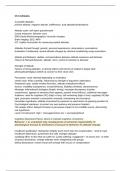
4 possible attitudes
positive attitude, negative attitude, indifference, dual attitudes/ambivalence
Attitude scale: self report questionnaire
Covert measures: behavior cues
EMG (facial electromyography): muscular changes
Brain Imaging: EEG, fMRI
IAT: Implicit Association for measuring implicit attitudes
Attitudes formed through: genetic, personal experiences, observations, associations
Evaluative Conditioning: neutral attitude changed by classical conditioning using association
Attitude and Behavior: debate, correspondence between attitude measures and behavior
Theory of Planned Behavior: attitude, norm, control to intention to behavior
Strength of Attitude
Factors of strong attitudes: 1) directly affects self interest 2) related to deeply held
philosophical/religious beliefs 3) concern to their close ones
Persuasion: route selected depending on motivation
center route: thinks carefully, influenced by strength of argument, elaboration
Peripheral route: simple minded heuristics, attitude embodiment effects
Source: credibility (competence, trustworthiness), likability (similarity, attractiveness)
Message: informational strategies (length, timing), message discrepancy (caution,
compromise), appeals to emotions (fear appeals, positive mood effects), subliminal messages
Audience: need for cognition (NC) (high vs low), self monitoring (high vs low), regulatory fit (feel
right, promotion oriented vs prevention oriented), forewarning and resistance
Inoculation hypothesis: attitude immunized by exposure to week doses of opposing position b4
Psychological reactance: to protect our own anatomy and preserve freedom
The sleeper effect: delayed increase in persuasive impact of non credible source, discounting
cue hypothesis
Level of involvement: high = message/central, low = source/peripheral
Cognitive dissonance theory: desire to maintain cognitive consistency
Behavior → 1) unwanted neg consequences 2) personal responsibility 3)
physiological arousal 4) attribution of arousal to behavior 5) attitude change
Insufficient justification: feeling like integrity worth more than the compensation - need to cope
Insufficient deterrence: punishment too mild, changes attitudes
Justifying effort: to like what we suffer for, justify suffering, exaggerate + of choice and - of other
Vicarious dissonance: change attitudes when disagreeing with groups
Ethical dissonance: restore moral self concept with excuse or compensation
4 possible attitudes
positive attitude, negative attitude, indifference, dual attitudes/ambivalence
Attitude scale: self report questionnaire
Covert measures: behavior cues
EMG (facial electromyography): muscular changes
Brain Imaging: EEG, fMRI
IAT: Implicit Association for measuring implicit attitudes
Attitudes formed through: genetic, personal experiences, observations, associations
Evaluative Conditioning: neutral attitude changed by classical conditioning using association
Attitude and Behavior: debate, correspondence between attitude measures and behavior
Theory of Planned Behavior: attitude, norm, control to intention to behavior
Strength of Attitude
Factors of strong attitudes: 1) directly affects self interest 2) related to deeply held
philosophical/religious beliefs 3) concern to their close ones
Persuasion: route selected depending on motivation
center route: thinks carefully, influenced by strength of argument, elaboration
Peripheral route: simple minded heuristics, attitude embodiment effects
Source: credibility (competence, trustworthiness), likability (similarity, attractiveness)
Message: informational strategies (length, timing), message discrepancy (caution,
compromise), appeals to emotions (fear appeals, positive mood effects), subliminal messages
Audience: need for cognition (NC) (high vs low), self monitoring (high vs low), regulatory fit (feel
right, promotion oriented vs prevention oriented), forewarning and resistance
Inoculation hypothesis: attitude immunized by exposure to week doses of opposing position b4
Psychological reactance: to protect our own anatomy and preserve freedom
The sleeper effect: delayed increase in persuasive impact of non credible source, discounting
cue hypothesis
Level of involvement: high = message/central, low = source/peripheral
Cognitive dissonance theory: desire to maintain cognitive consistency
Behavior → 1) unwanted neg consequences 2) personal responsibility 3)
physiological arousal 4) attribution of arousal to behavior 5) attitude change
Insufficient justification: feeling like integrity worth more than the compensation - need to cope
Insufficient deterrence: punishment too mild, changes attitudes
Justifying effort: to like what we suffer for, justify suffering, exaggerate + of choice and - of other
Vicarious dissonance: change attitudes when disagreeing with groups
Ethical dissonance: restore moral self concept with excuse or compensation