jhgfds
M
PR
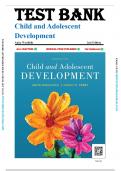
Test Bank
For
ES
Child Development and Education
SI
Seventh Edition
VE
Teresa M. McDevitt
Jeanne Ellis Ormrod
G
R
All Chapters Included
AD
All Answers Included
ES
lkjhgfds
, jhgfds
M
CONTENTS
PR
Overview of Test Items
Chapter 1 Introduction to Child Development 1
Chapter 2 Research and Assessment 16
Chapter 3 Family, Culture, and Society 30
Chapter 4 Biological Beginnings 48
ES
Chapter 5 Physical Development 58
Chapter 6 Cognitive Development: Piaget and Vygotsky 70
Chapter 7 Cognitive Development: Cognitive Processes 91
Chapter 8 Intelligence 110
SI
Chapter 9 Language Development 127
Chapter 10 Development in the Academic Domains 145
Chapter 11 Emotional Development 162
VE
Chapter 12 Self and Social Understanding 180
Chapter 13 Self-Regulation and Motivation 196
Chapter 14 Moral Development 217
Chapter 15 Peers, Schools, and Society 230
G
Answer Keys 246
R
AD
ES
lkjhgfds
, jhgfds
Chapter 1
M
INTRODUCTION TO CHILD DEVELOPMENT
Multiple-Choice Questions
PR
1. Which one of the following best illustrates physical development as a developmental
domain?
a. Mark can watch a basketball player and critique his movements.
b. Tammy can hold and use a pencil more easily than she could last year.
c. Timothy is increasingly able to understand other people’s points of view.
ES
d. Thomas learns how to count by practicing counting with a variety of household
objects.
2. Which one of the following best illustrates social-emotional development as a
developmental domain?
SI
a. Pamela has decided to get a fashionable new haircut.
b. Annika cries in pain when she steps on a sharp pebble.
c. Carlos is learning how to play cooperatively with his preschool classmates.
d. Thomas used to think that the earth was flat, but now he knows that it’s round.
VE
3. Many psychologists are interested in the ways in which nature and nurture interact to
influence development. Which one of the following examples illustrates the influence of
nature?
a. Fourteen-year-old Deborah is starting to grow pubic hair, and she’s just had her
first menstrual period.
G
b. Two-year-old Sophia is learning to speak two languages because her parents
speak Spanish at home but everyone at her preschool speaks English.
c. Ten-year-old Bart loves being outdoors. As far back as he can remember, his
R
family has gone camping almost every weekend during the summer months.
d. Eight-year-old Yannie goes to his Aunt Jane’s house after school every day. As
he watches television, Jane gives him as much candy and other sweets as he
AD
wants, and so he is becoming increasingly overweight.
4. Which one of the following statements reflects what developmentalists mean by the
term maturation?
a. Changes related specifically to children’s physical development
b. Changes related specifically to children’s emotional development
ES
c. Changes that reflect increasingly appropriate social behavior
d. Developmental changes that are controlled largely by heredity
lkjhgfds
, jhgfds
5. Many developmental theorists are interested in the ways in which nature and nurture each
M
influence development. The term nurture refers to:
a. A child’s characteristics at birth
b. Genetically controlled maturational changes
PR
c. Environmental conditions that influence development.
d. The loving bonds that exist between children and their parents
6. Leanna believes that children have a natural curiosity that makes them eager to learn.
LeRoy believes that children’s motivation to learn is fostered by good nutrition, positive
relationships with other people, and opportunities to explore a complex environment.
ES
This difference in viewpoints best reflects the issue of:
a. Nature and nurture
b. Universality and diversity
c. Progression and regression
d. Quantitative and qualitative change
SI
7. Three of the following statements are true regarding the interplay between heredity and
environment in child development. Which statement is false?
a. Certain environmental experiences may have a greater impact at some ages than
VE
at others.
b. Inherited predispositions have a large influence in some aspects of development,
whereas environment is more influential in other aspects.
c. Children’s inherited tendencies may make them more or less susceptible to
particular environmental conditions.
d. Heredity is more influential when children live in extremely impoverished
G
circumstances than when they have good nutrition and other environmental supports.
8. A sensitive period in development can best be described as:
R
a. An approach to teaching or parenting that takes a child’s developmental level
into account
b. A stage of development in which children display unpredictable (and often
AD
inappropriate) emotional responses
c. An age range during which environmental conditions are most likely to have an
effect on a particular aspect of a child’s development
d. A period during children’s cognitive development in which they are highly
distractible and so are frequently off task in the classroom
ES
lkjhgfds
M
PR
Test Bank
For
ES
Child Development and Education
SI
Seventh Edition
VE
Teresa M. McDevitt
Jeanne Ellis Ormrod
G
R
All Chapters Included
AD
All Answers Included
ES
lkjhgfds
, jhgfds
M
CONTENTS
PR
Overview of Test Items
Chapter 1 Introduction to Child Development 1
Chapter 2 Research and Assessment 16
Chapter 3 Family, Culture, and Society 30
Chapter 4 Biological Beginnings 48
ES
Chapter 5 Physical Development 58
Chapter 6 Cognitive Development: Piaget and Vygotsky 70
Chapter 7 Cognitive Development: Cognitive Processes 91
Chapter 8 Intelligence 110
SI
Chapter 9 Language Development 127
Chapter 10 Development in the Academic Domains 145
Chapter 11 Emotional Development 162
VE
Chapter 12 Self and Social Understanding 180
Chapter 13 Self-Regulation and Motivation 196
Chapter 14 Moral Development 217
Chapter 15 Peers, Schools, and Society 230
G
Answer Keys 246
R
AD
ES
lkjhgfds
, jhgfds
Chapter 1
M
INTRODUCTION TO CHILD DEVELOPMENT
Multiple-Choice Questions
PR
1. Which one of the following best illustrates physical development as a developmental
domain?
a. Mark can watch a basketball player and critique his movements.
b. Tammy can hold and use a pencil more easily than she could last year.
c. Timothy is increasingly able to understand other people’s points of view.
ES
d. Thomas learns how to count by practicing counting with a variety of household
objects.
2. Which one of the following best illustrates social-emotional development as a
developmental domain?
SI
a. Pamela has decided to get a fashionable new haircut.
b. Annika cries in pain when she steps on a sharp pebble.
c. Carlos is learning how to play cooperatively with his preschool classmates.
d. Thomas used to think that the earth was flat, but now he knows that it’s round.
VE
3. Many psychologists are interested in the ways in which nature and nurture interact to
influence development. Which one of the following examples illustrates the influence of
nature?
a. Fourteen-year-old Deborah is starting to grow pubic hair, and she’s just had her
first menstrual period.
G
b. Two-year-old Sophia is learning to speak two languages because her parents
speak Spanish at home but everyone at her preschool speaks English.
c. Ten-year-old Bart loves being outdoors. As far back as he can remember, his
R
family has gone camping almost every weekend during the summer months.
d. Eight-year-old Yannie goes to his Aunt Jane’s house after school every day. As
he watches television, Jane gives him as much candy and other sweets as he
AD
wants, and so he is becoming increasingly overweight.
4. Which one of the following statements reflects what developmentalists mean by the
term maturation?
a. Changes related specifically to children’s physical development
b. Changes related specifically to children’s emotional development
ES
c. Changes that reflect increasingly appropriate social behavior
d. Developmental changes that are controlled largely by heredity
lkjhgfds
, jhgfds
5. Many developmental theorists are interested in the ways in which nature and nurture each
M
influence development. The term nurture refers to:
a. A child’s characteristics at birth
b. Genetically controlled maturational changes
PR
c. Environmental conditions that influence development.
d. The loving bonds that exist between children and their parents
6. Leanna believes that children have a natural curiosity that makes them eager to learn.
LeRoy believes that children’s motivation to learn is fostered by good nutrition, positive
relationships with other people, and opportunities to explore a complex environment.
ES
This difference in viewpoints best reflects the issue of:
a. Nature and nurture
b. Universality and diversity
c. Progression and regression
d. Quantitative and qualitative change
SI
7. Three of the following statements are true regarding the interplay between heredity and
environment in child development. Which statement is false?
a. Certain environmental experiences may have a greater impact at some ages than
VE
at others.
b. Inherited predispositions have a large influence in some aspects of development,
whereas environment is more influential in other aspects.
c. Children’s inherited tendencies may make them more or less susceptible to
particular environmental conditions.
d. Heredity is more influential when children live in extremely impoverished
G
circumstances than when they have good nutrition and other environmental supports.
8. A sensitive period in development can best be described as:
R
a. An approach to teaching or parenting that takes a child’s developmental level
into account
b. A stage of development in which children display unpredictable (and often
AD
inappropriate) emotional responses
c. An age range during which environmental conditions are most likely to have an
effect on a particular aspect of a child’s development
d. A period during children’s cognitive development in which they are highly
distractible and so are frequently off task in the classroom
ES
lkjhgfds