Phys 165 Module 4 Exam
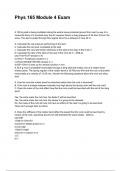
A 128 kg sled is being multiplied along the extent snow protected ground from rest by way of a
horizontal force of a hundred sixty five N, however there's a drag pressure of 32.Zero N from the
snow. The sled is pulled through this regular force for a distance of nine.32 m.
A. Calculate the net pressure performing at the sled
b. Calculate the net work completed at the sled
c. Calculate the very last kinetic electricity of the sled at the stop of the 9.32 m.
D. Calculate the rate of the sled on the quit of the nine.32 m - ANS-a)
Use Fnet=Fa-Ff answer in N
b) Wnet = Fnetdcos() solution in J
c) Wnet=deltaKE=KEf-KEi answer in J
d) KE=1/2mv^2 clear up for velocity solution in m/s
A 35.0-g rock is propelled horizontally through a sling shot that makes use of a rubber band
kinetic power. The spring regular of the rubber band is 39.Fifty two N/m and the rock is launched
horizontally at a velocity of 12.50 m/s. Answer the following questions about the rock and sling
shot.
A. How far must the rubber band be stretched earlier than the rock is launched?
B. If the rock is instead released vertically how high above the launch point will the rock rise?
C. Does the mass of the rock affect how fast the rock could be launched with the aid of the sling
shot?
Yes, the extra mass the rock has, the faster it will be launched
Yes, the extra mass the rock has, the slower it is going to be released
No, the mass of the rock will now not have an effect on the rate it is going to be launched
There isn't enough facts to inform
d. Does the stiffness of the rubber band affect the speed that the rock could be launched by
means of the rock, assuming that it's far still stretched the same distan - ANS-a)
Uei=KEf
1/2kd^2=1/2mvf^2
resolve for deltad answer in m
b) Uei=Ugf
1/2kd^2=mghf
solve for h solution in m
c) 2
d) 1
, A 7212-kg empty rollercoaster is shifting at 2.50 m/s as it rolls over the pinnacle of a hill that is
50.Zero m tall. Answer the following questions about this rollercoaster. Assume there may be no
friction.
A. How fast is it transferring when it reaches the bottom of the primary hill, that's at floor
degree?
B. How speedy is it moving because it rolls over the following hill this is 37.2 m above floor
level?
C. Will the speeds at the bottom of the first hill and going over the second hill change while the
rollercoaster is full of riders who've a total mass of 2500 kg?
Yes, the speeds will each be drastically less
Yes, the speeds will each be extensively greater
No, the speeds might be the equal
There isn't enough information to inform
d. As the rollercoaster is going down the first hill, what is happening to the power of the
rollercoaster?
The kinetic power is growing while the gravitational capability energy is reducing
The kinetic electricity is - ANS-a)
KEi+Ugi=KEf+Ugf
1/2mvi^2+mghi=1/2mvf^2+mghf
discover vf answer in m/s
b)KEi+Ugi=KEf+Ugf
1/2mvi^2+mghi=1/2mvf^2+mghf
vf in m/s
c) 3
d) 1
A chef is setting away pots and pans on the end of a hectic workday. One precise iron skillet has
a mass of 2.05 kg and the chef lifts the iron skillet as much as a cupboard this is 1.17 m above
the counter it was resting on. Calculate the subsequent values assuming that the skillet is lifted
at a constant velocity.
A. Calculate the paintings completed at the skillet by using the chef.
B. Calculate the work done by way of gravity - ANS-a) w=mg solution in N
w=fdcos() answer in J
b) W=mg answer in N
fdcos() solution in J
An arrow is shot with 11.5 J of energy. The mass of the arrow is 2.Fifty two g. Calculate the
following values:
a. How rapid does the arrow have to pass if all of its energy is kinetic strength?
B. How high does the arrow must be if all of is electricity is gravitational ability strength? - ANS-
A 128 kg sled is being multiplied along the extent snow protected ground from rest by way of a
horizontal force of a hundred sixty five N, however there's a drag pressure of 32.Zero N from the
snow. The sled is pulled through this regular force for a distance of nine.32 m.
A. Calculate the net pressure performing at the sled
b. Calculate the net work completed at the sled
c. Calculate the very last kinetic electricity of the sled at the stop of the 9.32 m.
D. Calculate the rate of the sled on the quit of the nine.32 m - ANS-a)
Use Fnet=Fa-Ff answer in N
b) Wnet = Fnetdcos() solution in J
c) Wnet=deltaKE=KEf-KEi answer in J
d) KE=1/2mv^2 clear up for velocity solution in m/s
A 35.0-g rock is propelled horizontally through a sling shot that makes use of a rubber band
kinetic power. The spring regular of the rubber band is 39.Fifty two N/m and the rock is launched
horizontally at a velocity of 12.50 m/s. Answer the following questions about the rock and sling
shot.
A. How far must the rubber band be stretched earlier than the rock is launched?
B. If the rock is instead released vertically how high above the launch point will the rock rise?
C. Does the mass of the rock affect how fast the rock could be launched with the aid of the sling
shot?
Yes, the extra mass the rock has, the faster it will be launched
Yes, the extra mass the rock has, the slower it is going to be released
No, the mass of the rock will now not have an effect on the rate it is going to be launched
There isn't enough facts to inform
d. Does the stiffness of the rubber band affect the speed that the rock could be launched by
means of the rock, assuming that it's far still stretched the same distan - ANS-a)
Uei=KEf
1/2kd^2=1/2mvf^2
resolve for deltad answer in m
b) Uei=Ugf
1/2kd^2=mghf
solve for h solution in m
c) 2
d) 1
, A 7212-kg empty rollercoaster is shifting at 2.50 m/s as it rolls over the pinnacle of a hill that is
50.Zero m tall. Answer the following questions about this rollercoaster. Assume there may be no
friction.
A. How fast is it transferring when it reaches the bottom of the primary hill, that's at floor
degree?
B. How speedy is it moving because it rolls over the following hill this is 37.2 m above floor
level?
C. Will the speeds at the bottom of the first hill and going over the second hill change while the
rollercoaster is full of riders who've a total mass of 2500 kg?
Yes, the speeds will each be drastically less
Yes, the speeds will each be extensively greater
No, the speeds might be the equal
There isn't enough information to inform
d. As the rollercoaster is going down the first hill, what is happening to the power of the
rollercoaster?
The kinetic power is growing while the gravitational capability energy is reducing
The kinetic electricity is - ANS-a)
KEi+Ugi=KEf+Ugf
1/2mvi^2+mghi=1/2mvf^2+mghf
discover vf answer in m/s
b)KEi+Ugi=KEf+Ugf
1/2mvi^2+mghi=1/2mvf^2+mghf
vf in m/s
c) 3
d) 1
A chef is setting away pots and pans on the end of a hectic workday. One precise iron skillet has
a mass of 2.05 kg and the chef lifts the iron skillet as much as a cupboard this is 1.17 m above
the counter it was resting on. Calculate the subsequent values assuming that the skillet is lifted
at a constant velocity.
A. Calculate the paintings completed at the skillet by using the chef.
B. Calculate the work done by way of gravity - ANS-a) w=mg solution in N
w=fdcos() answer in J
b) W=mg answer in N
fdcos() solution in J
An arrow is shot with 11.5 J of energy. The mass of the arrow is 2.Fifty two g. Calculate the
following values:
a. How rapid does the arrow have to pass if all of its energy is kinetic strength?
B. How high does the arrow must be if all of is electricity is gravitational ability strength? - ANS-