

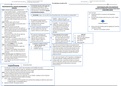
Identification of the economically significant activities Once STEP 1 is done, apply the TP pricing methods by
STEP 1: FUNCTIONAL AND FACTUAL ANALYSIS and responsibilities undertaken by the PE STEP 2: benchmarking analogy
The attribution of profits to PEs
Hypotesising the PE as a separate and independent ‘Functionally separate entity approach’
The attribution of profits to a PE is Determining the profits of the hypothesised
enterprise separate and independent enterprise based upon a
based on the fiction whereby the PE is
STEP 1: identify functions performed by the PE characterised as a functionally separate comparability analysis
Assess ‘people functions’ -> functions performed and independent enterprise
by the personnel of the enterprise as a whole Once you have:
including the PE and assess what significance 1) Hypotesised the PE as a separate and independent
REMEMBER: steps 1 to 5 are NOT at the transactional level. The transaction is analysed after!
they have in generating the profits of the MNE enterprise;
All activities performed on behalf of the PE by 2) Recognised the dealings within the same or other related
Tangibles -> place of use is the companies
other parts of the enterprise and vice versa are
The significant people functions criterion to attribute tangibles to PE
relevant
STEP 2: identify assets used by the PE relevant to ownership of the asset
Determine (in)tangibles economically owned will determine the economic Intangibles -> the active decision- It will be possible to:
and/or used by the PE ownership of an asset making with regard to the taking on
STEP 3: identify risks borne by the PE and management of individual risk 3) Perform the benchmarking study by applying the TP pricing
In order to determine whether this is and portfolios of risks associated methods by analogy
Risks are allocated to the PE if the significant
the case, perform the 6-step risk with the development of intangible Reference to TP analysis scheme!!
people functions relevant for the assumption of
analysis (reference to other scheme!) property is the criterion for
risk are performed by the personnel of the PE at
the PE’s location allocation
The amount of risks of the PE also affect the Methods
The rationale of attributing free 2-steps allocation of free capital
capital to be attributed to the PE 1) Capital allocation
capital (ie equity) to the PE is that 1) Measure the risks and value of
STEP 4: attributing free capital 2) Economic calital allocation
under the ALP, it should have the assets attributed to the PE
Free capital -> ‘an investment which does not 3) Thin capitalisation
sufficient capital to support its 2) Determine the free capital
give rise to an investment return in the nature of 4) Safe harbour
functions, assets and risks needed to support the risks and
interest that is deductible’
assets attributed to the PE 5) Other methods
Free capital follows the PE’s risk profile 2 methods to attribute external
STEP 4.1: attributing funding costs Here, internal movement of funds are traced back to the
interest expense to PE
PEs can be funded by both free capital and original provision of funds by third parties. The interest rate
1) Tracing approach
interest-baring debt. on the funds provided to the PE are determined to be the
2) Fungibility approach
The balance of the funding is the amount by same as the actual rate incurred by the enterprise to the
reference to which the interest deduction is third party provider of the funds. This approach could be
calculated evidenced by internal dealing that allocate the interest
STEP 5: Attributing rights and obligations to the PE expense to the PE
Identify the MNE’s transactions with separate
enterprises which should be hypotesised to have Here, money borrowed by a PE is regarded as contributing to
been entered into by the PE the whole enterprise’s funding needs (not just to the PE’s
This should be clear from the PE’s functions, funding needs). Here, movements of funds are irrelevant.
assets, risks Each PE is allocated a portion of the whole enterprise’s actual
interest expense paid to third parties on some pre-
Transactional level determined basis.
Recognition of dealings
- The allocation of profits to PE requires internal dealings to be identified and priced
- A threshold test must be passed in order for a dealing to be accepted as equivalent to a transaction that
would have taken place between independents at arm’s length
STEP 1: assess accounting records and internal documentation of PE
Check if a dealing is reported in these documentation
Regardless of whether this is the case, apply step 2 to see whether a dealing must be recognised
STEP 2: perform TP functional and factual analysis by analogy
Hence, apply comparability factors
o Contractual terms will not be possible to be examined when dealings are within the same entity ->
so apply the other 4 comparability factors
Reference to STEP 3 TP Analysis scheme!!
STEP 1: FUNCTIONAL AND FACTUAL ANALYSIS and responsibilities undertaken by the PE STEP 2: benchmarking analogy
The attribution of profits to PEs
Hypotesising the PE as a separate and independent ‘Functionally separate entity approach’
The attribution of profits to a PE is Determining the profits of the hypothesised
enterprise separate and independent enterprise based upon a
based on the fiction whereby the PE is
STEP 1: identify functions performed by the PE characterised as a functionally separate comparability analysis
Assess ‘people functions’ -> functions performed and independent enterprise
by the personnel of the enterprise as a whole Once you have:
including the PE and assess what significance 1) Hypotesised the PE as a separate and independent
REMEMBER: steps 1 to 5 are NOT at the transactional level. The transaction is analysed after!
they have in generating the profits of the MNE enterprise;
All activities performed on behalf of the PE by 2) Recognised the dealings within the same or other related
Tangibles -> place of use is the companies
other parts of the enterprise and vice versa are
The significant people functions criterion to attribute tangibles to PE
relevant
STEP 2: identify assets used by the PE relevant to ownership of the asset
Determine (in)tangibles economically owned will determine the economic Intangibles -> the active decision- It will be possible to:
and/or used by the PE ownership of an asset making with regard to the taking on
STEP 3: identify risks borne by the PE and management of individual risk 3) Perform the benchmarking study by applying the TP pricing
In order to determine whether this is and portfolios of risks associated methods by analogy
Risks are allocated to the PE if the significant
the case, perform the 6-step risk with the development of intangible Reference to TP analysis scheme!!
people functions relevant for the assumption of
analysis (reference to other scheme!) property is the criterion for
risk are performed by the personnel of the PE at
the PE’s location allocation
The amount of risks of the PE also affect the Methods
The rationale of attributing free 2-steps allocation of free capital
capital to be attributed to the PE 1) Capital allocation
capital (ie equity) to the PE is that 1) Measure the risks and value of
STEP 4: attributing free capital 2) Economic calital allocation
under the ALP, it should have the assets attributed to the PE
Free capital -> ‘an investment which does not 3) Thin capitalisation
sufficient capital to support its 2) Determine the free capital
give rise to an investment return in the nature of 4) Safe harbour
functions, assets and risks needed to support the risks and
interest that is deductible’
assets attributed to the PE 5) Other methods
Free capital follows the PE’s risk profile 2 methods to attribute external
STEP 4.1: attributing funding costs Here, internal movement of funds are traced back to the
interest expense to PE
PEs can be funded by both free capital and original provision of funds by third parties. The interest rate
1) Tracing approach
interest-baring debt. on the funds provided to the PE are determined to be the
2) Fungibility approach
The balance of the funding is the amount by same as the actual rate incurred by the enterprise to the
reference to which the interest deduction is third party provider of the funds. This approach could be
calculated evidenced by internal dealing that allocate the interest
STEP 5: Attributing rights and obligations to the PE expense to the PE
Identify the MNE’s transactions with separate
enterprises which should be hypotesised to have Here, money borrowed by a PE is regarded as contributing to
been entered into by the PE the whole enterprise’s funding needs (not just to the PE’s
This should be clear from the PE’s functions, funding needs). Here, movements of funds are irrelevant.
assets, risks Each PE is allocated a portion of the whole enterprise’s actual
interest expense paid to third parties on some pre-
Transactional level determined basis.
Recognition of dealings
- The allocation of profits to PE requires internal dealings to be identified and priced
- A threshold test must be passed in order for a dealing to be accepted as equivalent to a transaction that
would have taken place between independents at arm’s length
STEP 1: assess accounting records and internal documentation of PE
Check if a dealing is reported in these documentation
Regardless of whether this is the case, apply step 2 to see whether a dealing must be recognised
STEP 2: perform TP functional and factual analysis by analogy
Hence, apply comparability factors
o Contractual terms will not be possible to be examined when dealings are within the same entity ->
so apply the other 4 comparability factors
Reference to STEP 3 TP Analysis scheme!!


