1
1. Describe the roles and responsibilities of the APRN when prescribing medication.
2. Describe the method used to determine what drug therapy to prescribe?
3. Discuss responsibilities for patient education and teaching based on the prescribed therapy.
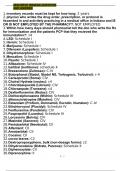
4. Discuss Schedule drugs and prescribing restrictions for each scheduled drug.
Roles And Responsibilities of APRN In Medication Prescription
1. Describe the roles and responsibilities of the APRN when prescribing
medication.
Advanced practice registered nurses play important roles in healthcare. One of the roles is
prescribing medication to patients where they play different responsibilities. One of the
responsibilities is they carry out an assessment to determine the health status of a patient
including the present conditions, medical history, lab results and other information (Duquesne
University School of Nursing,2020). Based on the detailed assessment they are able to make a
diagnosis and make a treatment plan. APRNs also utilize their medical judgement and expertise
to determine the suitable drug therapy for patients based on the patient preferences, possible drug
interactions and medical condition. Another responsibility registered nurse play is choosing
specific dosages and medications according to their expertise and evidence-based guidelines.
they decide the most safe and effective treatment option for the patient (Hanks et al.,2018). After
prescribing the medication they also monitor the patient progress to assess if there are any side
effects and make adjustments where necessary. In addition, they document the basis of the
medical choices, dosage adjustment and also record how the patient respond to the treatment.
, 2
2. Describe the method used to determine what drug therapy to prescribe?
Drug therapy is important in medication prescription. Advanced practice registered
nurses follow a certain method to determine the kind of drug therapy they will prescribe to the
patient. To determine the best drug therapy, they follow clinical practice guidelines, their
personal judgment based on the medical information provided, and evidence-based guidelines
(Hanks et al.,2018). They also consider the patient’s preferences, possible benefits, and risks of
medications, treatment options, medical history, and the present health state of the patient. They
also customize the medication plan depending on the needs, preferences and characteristics of
the patient. Collaborating with other healthcare workers helps to come up with a treatment
strategy.
3.Discuss responsibilities for patient education and teaching based on the prescribed
therapy.
One of the role Advanced practice registered nurses play in prescribing medication is
educating the patients. It is the responsibility of APRNs to educate the patients on the aim, dose,
administration and the possible side effects of the medications prescribed (Mardani et al.,2020).
They also promote adherence by highlighting the importance of following the prescribed
treatment and also discuss ways to overcome barriers that might hinder adherence. They also
educate patients on how to identify and report antagonistic reactions related to medications.
Another responsibility for APRNs is to schedule follow-up appointments for patients to analyze
their progress, make changes in the treatment plan and solve medical issues.
4.Discuss Schedule drugs and prescribing restrictions for each scheduled drug
1. Describe the roles and responsibilities of the APRN when prescribing medication.
2. Describe the method used to determine what drug therapy to prescribe?
3. Discuss responsibilities for patient education and teaching based on the prescribed therapy.
4. Discuss Schedule drugs and prescribing restrictions for each scheduled drug.
Roles And Responsibilities of APRN In Medication Prescription
1. Describe the roles and responsibilities of the APRN when prescribing
medication.
Advanced practice registered nurses play important roles in healthcare. One of the roles is
prescribing medication to patients where they play different responsibilities. One of the
responsibilities is they carry out an assessment to determine the health status of a patient
including the present conditions, medical history, lab results and other information (Duquesne
University School of Nursing,2020). Based on the detailed assessment they are able to make a
diagnosis and make a treatment plan. APRNs also utilize their medical judgement and expertise
to determine the suitable drug therapy for patients based on the patient preferences, possible drug
interactions and medical condition. Another responsibility registered nurse play is choosing
specific dosages and medications according to their expertise and evidence-based guidelines.
they decide the most safe and effective treatment option for the patient (Hanks et al.,2018). After
prescribing the medication they also monitor the patient progress to assess if there are any side
effects and make adjustments where necessary. In addition, they document the basis of the
medical choices, dosage adjustment and also record how the patient respond to the treatment.
, 2
2. Describe the method used to determine what drug therapy to prescribe?
Drug therapy is important in medication prescription. Advanced practice registered
nurses follow a certain method to determine the kind of drug therapy they will prescribe to the
patient. To determine the best drug therapy, they follow clinical practice guidelines, their
personal judgment based on the medical information provided, and evidence-based guidelines
(Hanks et al.,2018). They also consider the patient’s preferences, possible benefits, and risks of
medications, treatment options, medical history, and the present health state of the patient. They
also customize the medication plan depending on the needs, preferences and characteristics of
the patient. Collaborating with other healthcare workers helps to come up with a treatment
strategy.
3.Discuss responsibilities for patient education and teaching based on the prescribed
therapy.
One of the role Advanced practice registered nurses play in prescribing medication is
educating the patients. It is the responsibility of APRNs to educate the patients on the aim, dose,
administration and the possible side effects of the medications prescribed (Mardani et al.,2020).
They also promote adherence by highlighting the importance of following the prescribed
treatment and also discuss ways to overcome barriers that might hinder adherence. They also
educate patients on how to identify and report antagonistic reactions related to medications.
Another responsibility for APRNs is to schedule follow-up appointments for patients to analyze
their progress, make changes in the treatment plan and solve medical issues.
4.Discuss Schedule drugs and prescribing restrictions for each scheduled drug