test bank
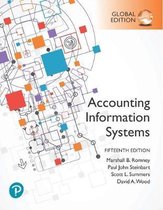
Accounting Information systems 15th Edition
by Marshall B Romney and Steinbart
Chapters 1-24 Covered
,TABLE OF CONTENT Y Y
PART I: CONCEPTUAL FOUNDATIONS OF ACCOUNTING INFORMATION SYSTEM
Y Y Y Y Y Y Y
S
1. Accounting Information Systems: An Overview Y Y Y Y
2. Overview of Transaction Processing and Enterprise Resource Planning Systems
Y Y Y Y Y Y Y Y
3. Systems Documentation Techniques Y Y
PART II: DATA ANALYTICS
Y Y Y
4. Relational Databases Y
5. Introduction to Data Analytics in Accounting Y Y Y Y Y
6. Transforming Data Y
7. Data Analysis and Presentation
Y Y Y
PART III: CONTROL OF ACCOUNTING INFORMATION SYSTEMS
Y Y Y Y Y Y
8. Fraud and Errors Y Y
9. Computer Fraud and Abuse Techniques Y Y Y Y
10. Control and Accounting Information Systems
Y Y Y Y
11. Controls for Information Security Y Y Y
12. Confidentiality and Privacy Controls Y Y Y
13. Processing Integrity and Availability Controls Y Y Y Y
PART IV: ACCOUNTING INFORMATION SYSTEMS APPLICATIONS
Y Y Y Y Y
14. The Revenue Cycle: Sales to Cash Collections
Y Y Y Y Y Y
15. The Expenditure Cycle: Purchasing to Cash Disbursements
Y Y Y Y Y Y
16. The Production Cycle
Y Y
17. The Human Resources Management and Payroll Cycle
Y Y Y Y Y Y
18. General Ledger and Reporting System
Y Y Y Y
PART V: THE REA DATA MODEL
Y Y Y Y Y
19. Database Design Using the REA Data Model Y Y Y Y Y Y
20. Implementing an REA Model in a Relational Database Y Y Y Y Y Y Y
1
, 21. Special Topics in REA Modeling
Y Y Y Y
PART VI: THE SYSTEMS DEVELOPMENT PROCESS
Y Y Y Y Y
22. Introduction to Systems Development and Systems Analysis
Y Y Y Y Y Y
23. AIS Development Strategies
Y Y
24. Systems Design, Implementation, and Opera
Y Y Y Y
2
, Chapter 1 Accounting Information Systems: An Overview
Y Y Y Y Y Y
1.1 DistinguishYdataYfromYinformation,YdiscussYtheYcharacteristicsYofYusefulYinformation,YandY
explainYhowYtoYdetermineYtheYvalueYofYinformation.
1) WhichYofYtheYfollowingYstatementsYbelowYshowsYtheYcontrastYbetweenYdataYa
ndYinformation?
A) DataYisYtheYoutputYofYanYAIS.
B) InformationYisYtheYprimaryYoutputYofYanYAIS.
C) DataYisYmoreYusefulYinYdecisionYmakingYthanYinformation.
D) DataYandYinformationYareYtheYsame.
Answer:Y B
2) InformationYisYbestYdescribedYas
A) rawYfactsYaboutYtransactions.
B) dataYthatYhasYbeenYorganizedYandYprocessedYsoYthatYitYisYmeaningfulYtoYtheYuser.
C) factsYthatYareYusefulYwhenYprocessedYinYaYtimelyYmanner.
D) theYsameYthingYasYdata.
Answer:Y B
3) TheYvalueYofYinformationYcanYbestYbeYdeterminedYby
A) itsYusefulnessYtoYdecisionYmakers.
B) itsYrelevanceYtoYdecisionYmakers.
C) theYbenefitsYassociatedYwithYobtainingYtheYinformationYminusYtheYcostYofYproducingYit.
D) theYextentYtoYwhichYitYoptimizesYtheYvalueYchain.
Answer:Y C
4) AnYaccountingYinformationYsystemY(AIS)YprocessesY toYprovideYusersYwith
.
A) data;Yinformation
B) data;Ytransactions
C) information;Ydata
D) data;Ybenefits
Answer:Y A
Y
5) informationYreducesYuncertainty,YimprovesYdecisionYmakers'YabilityYtoYma
keYpredictions,YorYconfirmsYexpectations.
A) Timely
3
Accounting Information systems 15th Edition
by Marshall B Romney and Steinbart
Chapters 1-24 Covered
,TABLE OF CONTENT Y Y
PART I: CONCEPTUAL FOUNDATIONS OF ACCOUNTING INFORMATION SYSTEM
Y Y Y Y Y Y Y
S
1. Accounting Information Systems: An Overview Y Y Y Y
2. Overview of Transaction Processing and Enterprise Resource Planning Systems
Y Y Y Y Y Y Y Y
3. Systems Documentation Techniques Y Y
PART II: DATA ANALYTICS
Y Y Y
4. Relational Databases Y
5. Introduction to Data Analytics in Accounting Y Y Y Y Y
6. Transforming Data Y
7. Data Analysis and Presentation
Y Y Y
PART III: CONTROL OF ACCOUNTING INFORMATION SYSTEMS
Y Y Y Y Y Y
8. Fraud and Errors Y Y
9. Computer Fraud and Abuse Techniques Y Y Y Y
10. Control and Accounting Information Systems
Y Y Y Y
11. Controls for Information Security Y Y Y
12. Confidentiality and Privacy Controls Y Y Y
13. Processing Integrity and Availability Controls Y Y Y Y
PART IV: ACCOUNTING INFORMATION SYSTEMS APPLICATIONS
Y Y Y Y Y
14. The Revenue Cycle: Sales to Cash Collections
Y Y Y Y Y Y
15. The Expenditure Cycle: Purchasing to Cash Disbursements
Y Y Y Y Y Y
16. The Production Cycle
Y Y
17. The Human Resources Management and Payroll Cycle
Y Y Y Y Y Y
18. General Ledger and Reporting System
Y Y Y Y
PART V: THE REA DATA MODEL
Y Y Y Y Y
19. Database Design Using the REA Data Model Y Y Y Y Y Y
20. Implementing an REA Model in a Relational Database Y Y Y Y Y Y Y
1
, 21. Special Topics in REA Modeling
Y Y Y Y
PART VI: THE SYSTEMS DEVELOPMENT PROCESS
Y Y Y Y Y
22. Introduction to Systems Development and Systems Analysis
Y Y Y Y Y Y
23. AIS Development Strategies
Y Y
24. Systems Design, Implementation, and Opera
Y Y Y Y
2
, Chapter 1 Accounting Information Systems: An Overview
Y Y Y Y Y Y
1.1 DistinguishYdataYfromYinformation,YdiscussYtheYcharacteristicsYofYusefulYinformation,YandY
explainYhowYtoYdetermineYtheYvalueYofYinformation.
1) WhichYofYtheYfollowingYstatementsYbelowYshowsYtheYcontrastYbetweenYdataYa
ndYinformation?
A) DataYisYtheYoutputYofYanYAIS.
B) InformationYisYtheYprimaryYoutputYofYanYAIS.
C) DataYisYmoreYusefulYinYdecisionYmakingYthanYinformation.
D) DataYandYinformationYareYtheYsame.
Answer:Y B
2) InformationYisYbestYdescribedYas
A) rawYfactsYaboutYtransactions.
B) dataYthatYhasYbeenYorganizedYandYprocessedYsoYthatYitYisYmeaningfulYtoYtheYuser.
C) factsYthatYareYusefulYwhenYprocessedYinYaYtimelyYmanner.
D) theYsameYthingYasYdata.
Answer:Y B
3) TheYvalueYofYinformationYcanYbestYbeYdeterminedYby
A) itsYusefulnessYtoYdecisionYmakers.
B) itsYrelevanceYtoYdecisionYmakers.
C) theYbenefitsYassociatedYwithYobtainingYtheYinformationYminusYtheYcostYofYproducingYit.
D) theYextentYtoYwhichYitYoptimizesYtheYvalueYchain.
Answer:Y C
4) AnYaccountingYinformationYsystemY(AIS)YprocessesY toYprovideYusersYwith
.
A) data;Yinformation
B) data;Ytransactions
C) information;Ydata
D) data;Ybenefits
Answer:Y A
Y
5) informationYreducesYuncertainty,YimprovesYdecisionYmakers'YabilityYtoYma
keYpredictions,YorYconfirmsYexpectations.
A) Timely
3