UNIT 1 :
Geography & Culture Overview
If
Hokkaido
Geography
:
Gr
Lisland country
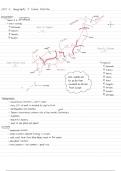
Japan is a SHIMAGUNI
& -
Hokkaido
-
o
... N
-
4 main islands
w E
①
Hokkaido Sea of Japan
S
=
② Honshu
·
-
③ Shikoku
①
Kyushu
& Pacific Ocean
-
East China Sea -
9 regions
- &
Hokkaido
②
Tohoku
②
Kanto
↳
O
.. main islands are ① Chubu
6x far from ⑤ Kinki
as
g mainland Britain
⑧
O Okinawa
as
chugoku
③ Shikoku
-
5 from Europe
8 ⑧
Kyushu
⑨ Okinawa
Topography :
mountains forrests swift rivers
-
, ,
15 % of land is suitable for agriculture
only
-
earthquakes are common
active
-
Japan's mountains contain 10 % of the world's volcanoes
-
typhoons
-
beautiful scenery
-
-
most of the plains are small
Climate :
temperate climate
-
currents improve fishing climate
a
-
ocean
-
cold wind from Asia drop heavy snow in NW coasts
-
abundant rainfall
-
rainy season + hot summer =
good rice
,About the Regions :
⑦ Hokkaido : ⑧ Kyushu :
-
different climate (generally cooler)
-
1400 surrounding islands
-
mountains natural scenery mountainous interior + volcanoes hot springs
-
+
,
fishing +
forestry subtropical climate
-
-
capital Sapporo agriculture stock farming fishing
-
-
:
, ,
② Tohoku :
& Okinawa :
largely mountainous climate
- -
warm
-
short summers , long winters -
used to be independent kingdom until 17th century
-
agricultural (70 % rice paddies) -
big tourism industry
Sendai controlled by US after WWI
largest city
-
:
-
⑤ Kanto
Kanto plain (Japan's largest plain)
-
-
mild climate
-
key cities (Tokyo , Yokohama , Chiba , etc. )
center of arts , commerce
industry
-
,
① Chubu :
climate greatly varies
-
Japan Alps
-
has longest rivers
-
one of the largest rice-producing areas
-
-
Mt Fuji !! .
⑦ Kinki :
2nd most important industrial area
-
Kyoto , Osaka , Kobe
-
-
rice , citrus , lumbering fishing ,
Kansai area around Kyoto, Osaka
-
:
Cused in cultural context (
⑤
Chugoku :
-
mountainous +
basins +
coastal plains
-
Inland Sea coast :
important for commerce
dry climate
-
warm ,
-
Hiroshimd
⑦
Shikoku :
-
includes satellite islands
nigh steep mountains +
whirlpools
-
,
Shikoku
two
bridge chains
connecting Honshu
+
-
subtropical climate Pacific side
-
-
Naruto strait
Ainu people
-
, UNIT2 :
Mythology ,
Religions , and Prehistory
Religions :
Shintoism Buddhism
Shinto "the way of the gods" from China Coriginated in India)
-
=
came
-
polytheistic provided rituals beliefs for death
-
-
·
-
rooted in nature worship &
agriculture
-
Onmydo :
cosmology/divination
-
death was not considered (no afterlife)
-
families will have an affiliation w/ a Buddhist temple
-
valued cleanlinessa life a
community
-
butsudan :
memorial tablets
thousands of shrines ie traditional Japanese family
-
-
:
-
deities are called Kami (can be anything -
Edo period law required affiliation to a temple
torii gates at shrines ancestor worship is
exclusively Buddhist
-
-
-
no official sacred scriptures
-
Prince Shotoku considered true founder of Buddhism in Japan
Christianity
-
from Korea (same time as Buddhism)
at odds w/Shinto (monotheism vs polytheism)
-
.
-
only had an impact on social movements , education , Xmas , weddings
-
# of Christians has never been > 1%
-
Meiji period :
christianity was influential in women's education &
abolition of prostitution
initially tolerated then persecuted
-
,
-
could
finally worship openly in 1873 (after seclusion period)
New
Religions
600 + new movements
-
Tenrikyo 1838 ; has 250 000
-
:
,
+
members
Clean Gov't Party :
1964 ; new religion political activities
-
Rissho Kosei-Kai 1938 ; Buddhist new religion ; sponsors political candidates
-
:
many founded by women a
majority membership is female
-
-
gives community to those not supported by traditional religion
Geography & Culture Overview
If
Hokkaido
Geography
:
Gr
Lisland country
Japan is a SHIMAGUNI
& -
Hokkaido
-
o
... N
-
4 main islands
w E
①
Hokkaido Sea of Japan
S
=
② Honshu
·
-
③ Shikoku
①
Kyushu
& Pacific Ocean
-
East China Sea -
9 regions
- &
Hokkaido
②
Tohoku
②
Kanto
↳
O
.. main islands are ① Chubu
6x far from ⑤ Kinki
as
g mainland Britain
⑧
O Okinawa
as
chugoku
③ Shikoku
-
5 from Europe
8 ⑧
Kyushu
⑨ Okinawa
Topography :
mountains forrests swift rivers
-
, ,
15 % of land is suitable for agriculture
only
-
earthquakes are common
active
-
Japan's mountains contain 10 % of the world's volcanoes
-
typhoons
-
beautiful scenery
-
-
most of the plains are small
Climate :
temperate climate
-
currents improve fishing climate
a
-
ocean
-
cold wind from Asia drop heavy snow in NW coasts
-
abundant rainfall
-
rainy season + hot summer =
good rice
,About the Regions :
⑦ Hokkaido : ⑧ Kyushu :
-
different climate (generally cooler)
-
1400 surrounding islands
-
mountains natural scenery mountainous interior + volcanoes hot springs
-
+
,
fishing +
forestry subtropical climate
-
-
capital Sapporo agriculture stock farming fishing
-
-
:
, ,
② Tohoku :
& Okinawa :
largely mountainous climate
- -
warm
-
short summers , long winters -
used to be independent kingdom until 17th century
-
agricultural (70 % rice paddies) -
big tourism industry
Sendai controlled by US after WWI
largest city
-
:
-
⑤ Kanto
Kanto plain (Japan's largest plain)
-
-
mild climate
-
key cities (Tokyo , Yokohama , Chiba , etc. )
center of arts , commerce
industry
-
,
① Chubu :
climate greatly varies
-
Japan Alps
-
has longest rivers
-
one of the largest rice-producing areas
-
-
Mt Fuji !! .
⑦ Kinki :
2nd most important industrial area
-
Kyoto , Osaka , Kobe
-
-
rice , citrus , lumbering fishing ,
Kansai area around Kyoto, Osaka
-
:
Cused in cultural context (
⑤
Chugoku :
-
mountainous +
basins +
coastal plains
-
Inland Sea coast :
important for commerce
dry climate
-
warm ,
-
Hiroshimd
⑦
Shikoku :
-
includes satellite islands
nigh steep mountains +
whirlpools
-
,
Shikoku
two
bridge chains
connecting Honshu
+
-
subtropical climate Pacific side
-
-
Naruto strait
Ainu people
-
, UNIT2 :
Mythology ,
Religions , and Prehistory
Religions :
Shintoism Buddhism
Shinto "the way of the gods" from China Coriginated in India)
-
=
came
-
polytheistic provided rituals beliefs for death
-
-
·
-
rooted in nature worship &
agriculture
-
Onmydo :
cosmology/divination
-
death was not considered (no afterlife)
-
families will have an affiliation w/ a Buddhist temple
-
valued cleanlinessa life a
community
-
butsudan :
memorial tablets
thousands of shrines ie traditional Japanese family
-
-
:
-
deities are called Kami (can be anything -
Edo period law required affiliation to a temple
torii gates at shrines ancestor worship is
exclusively Buddhist
-
-
-
no official sacred scriptures
-
Prince Shotoku considered true founder of Buddhism in Japan
Christianity
-
from Korea (same time as Buddhism)
at odds w/Shinto (monotheism vs polytheism)
-
.
-
only had an impact on social movements , education , Xmas , weddings
-
# of Christians has never been > 1%
-
Meiji period :
christianity was influential in women's education &
abolition of prostitution
initially tolerated then persecuted
-
,
-
could
finally worship openly in 1873 (after seclusion period)
New
Religions
600 + new movements
-
Tenrikyo 1838 ; has 250 000
-
:
,
+
members
Clean Gov't Party :
1964 ; new religion political activities
-
Rissho Kosei-Kai 1938 ; Buddhist new religion ; sponsors political candidates
-
:
many founded by women a
majority membership is female
-
-
gives community to those not supported by traditional religion