1|P age
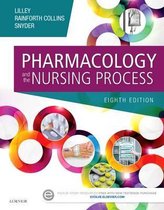
Test bank pharmacology for nursing care
Complete Questions and Answers with Detailed
Rationales Graded A+ Guaranteed Pass 12th
edition chapter-1-112complete-guide lOMoARcPSD|21007 614
Contents
Chapter 01: The Nursing Process and Drug Therapy ......................................................................................................... 4
Chapter 02: Pharmacologic Principles ............................................................................................................................... 8
Chapter 03: Lifespan Considerations ............................................................................................................................... 14
Chapter 04: Cultural, Legal, and Ethical Considerations .................................................................................................. 20
Chapter 05: Medication Errors: Preventing and Responding ........................................................................................... 26
Chapter 06: Patient Education and Drug Therapy ........................................................................................................... 29
Chapter 07: Over-the-Counter Drugs and Herbal and Dietary Supplements ................................................................... 34
Chapter 08: Gene Therapy and Pharmacogenomics ....................................................................................................... 38
Chapter 09: Photo Atlas of Drug Administration ............................................................................................................. 41
Chapter 10: Analgesic Drugs............................................................................................................................................ 50
Chapter 11: General and Local Anesthetics ..................................................................................................................... 57
Chapter 12: Central Nervous System Depressants and Muscle Relaxants ....................................................................... 61
Chapter 13: Central Nervous System Stimulants and Related Drugs ............................................................................... 66
Chapter 14: Antiepileptic Drugs....................................................................................................................................... 70
Chapter 15: Antiparkinson Drugs .................................................................................................................................... 76
Chapter 16: Psychotherapeutic Drugs ............................................................................................................................. 81
Chapter 17: Substance Abuse ......................................................................................................................................... 88
Chapter 18: Adrenergic Drugs ......................................................................................................................................... 93
Chapter 19: Adrenergic-Blocking Drugs........................................................................................................................... 98
Chapter 20: Cholinergic Drugs ...................................................................................................................................... 103
Chapter 21: Cholinergic-Blocking Drugs ........................................................................................................................ 108
Chapter 22: Antihypertensive Drugs.............................................................................................................................. 113
Chapter 23: Antianginal Drugs....................................................................................................................................... 119
Chapter 24: Heart Failure Drugs .................................................................................................................................... 125
Chapter 25: Antidysrhythmic Drugs............................................................................................................................... 131
Chapter 26: Coagulation Modifier Drugs ....................................................................................................................... 137
TESTBANKWORLD.ORG
,2|P age
Chapter 27: Antilipemic Drugs....................................................................................................................................... 143
Chapter 28: Diuretic Drugs ............................................................................................................................................ 148
Chapter 29: Fluids and Electrolytes ............................................................................................................................... 154
Chapter 30: Pituitary Drugs ........................................................................................................................................... 160
Chapter 31: Thyroid and Antithyroid Drugs ................................................................................................................... 163
Chapter 32: Antidiabetic Drugs ..................................................................................................................................... 168
Chapter 33: Adrenal Drugs ............................................................................................................................................ 177
Chapter 34: Women’s Health Drugs .............................................................................................................................. 181
Chapter 35: Men’s Health Drugs ................................................................................................................................... 188
Chapter 36: Antihistamines, Decongestants, Antitussives, and Expectorants ............................................................... 193
Chapter 37: Respiratory Drugs ...................................................................................................................................... 198
Chapter 38: Antibiotics Part 1 ....................................................................................................................................... 204
Chapter 39: Antibiotics Part 2 ....................................................................................................................................... 211
Chapter 40: Antiviral Drugs ........................................................................................................................................... 216
Chapter 41: Antitubercular Drugs.................................................................................................................................. 221
Chapter 42: Antifungal Drugs ........................................................................................................................................ 226
Chapter 43: Antimalarial, Antiprotozoal, and Anthelmintic Drugs ................................................................................. 231
Chapter 44: Anti-inflammatory and Antigout Drugs ...................................................................................................... 236
Chapter 45: Antineoplastic Drugs Part 1: Cancer Overview and Cell Cycle–Specific Drugs ........................................... 242
Chapter 46: Antineoplastic Drugs Part 2: Cell Cycle–Nonspecific Drugs and Miscellaneous Drugs............................... 248
Chapter 47: Biologic Response–Modifying and Antirheumatic Drugs ........................................................................... 253
Chapter 48: Immunosuppressant Drugs ........................................................................................................................ 258
Chapter 49: Immunizing Drugs ...................................................................................................................................... 263
Chapter 50: Acid-Controlling Drugs ............................................................................................................................... 268
Chapter 51: Bowel Disorder Drugs ................................................................................................................................ 274
Chapter 52: Antiemetic and Antinausea Drugs.............................................................................................................. 281
Chapter 53: Vitamins and Minerals ............................................................................................................................... 286
Chapter 54: Anemia Drugs ............................................................................................................................................ 292
Chapter 55: Nutritional Supplements ............................................................................................................................ 299
Chapter 56: Dermatologic Drugs ................................................................................................................................... 304
Chapter 57: Ophthalmic Drugs ...................................................................................................................................... 310
Chapter 58: Otic Drugs .................................................................................................................................................. 315
TESTBANKWORLD.ORG
,3|P age
1. A patient has been taking risperidone (Risperdal) for 2 weeks. The patient reports drowsiness
and headache. What will the nurse do?
a. Counsel the patient to request changing to aripiprazole (Abilify).
b. Explain to the patient that these are common side effects of the medication.
c. Suggest that the patient have serum glucose testing.
d. Suggest that these may be signs of agranulocytosis.
ANS: B
Drowsiness and headaches are common side effects of atypical antipsychotics. It would be appropriate
to counsel the patient to discuss the severity of these side effects with their provider. Changing to
aripiprazole may not improve the symptoms, since this drug is in the same drug class. These symptoms
do not indicate altered serum glucose levels or agranulocytosis.
DIF: Cognitive Level: Applying (Application)
TOP: Nursing Process: Nursing Intervention
MSC: NCLEX: Physiological Integrity: Pharmacological and Parenteral Therapies
2. The nurse is performing a medication history on a patient who reports taking
lorazepam (Ativan) for the past 6 months to treat an anxiety disorder. The patient
states that the medication is not working as well as it previously did. The nurse will:
a. contact the provider to discuss changing to another benzodiazepine.
b. tell the patient to double their dose.
c. suspect worsening of the anxiety disorder.
d. understand that the patient Nh a s developed tolerance to this drug.
ANS: D
It is recommended that benzodiazepines be prescribed no longer than 3 or 4 months since the
effectiveness lessens after 4 months as patients develop tolerance to the drug. Changing to another
benzodiazepine will likely not change this, and it would be inappropriate to recommend that the
patient double their dose without further evaluation. This does not indicate worsening of the
underlying disorder.
DIF: Cognitive Level: Applying (Application)
TOP: Nursing Process: Nursing Intervention
MSC: NCLEX: Physiological Integrity: Pharmacological and Parenteral Therapies
3. A patient who is taking chlorpromazine calls the clinic to report having reddish-brown urine.
What action will the nurse take?
a. Notify the provider and request orders for creatinine clearance and BUN levels.
b. Reassure the patient that this is a harmless side effect of this medication.
c. Tell the patient to come to the clinic for a urinalysis.
d. Tell the patient to discard any drug on hand and request a new prescription.
ANS: B
TESTBANKWORLD.ORG
, 4|P age
Aliphatic phenothiazines, such as chlorpromazine, can cause a harmless pink or red-brown urine
discoloration. There is no need to evaluate renal function with creatinine clearance, BUN, or urinalysis.
The discoloration does not indicate that the medication has expired.
DIF: Cognitive Level: Applying (Application)
TOP: Nursing Process: Assessment/Nursing Intervention
MSC: NCLEX: Physiological Integrity: Pharmacological and Parenteral Therapies
4. A patient has begun taking buspirone hydrochloride (BuSpar) 7.5 mg twice daily to treat acute
anxiety and calls 1 week later to report little change in symptoms. What will the nurse tell the
patient?
a. “Therapeutic effects may not be evident until you have taken the medication
for several weeks.”
b. “The provider may need to increase the dose to 15 mg twice daily.”
c. “Notify the provider and request an order for another anxiolytic.”
d. “Stop taking the drug and notify the provider that it doesn’t work.”
ANS: A
Buspirone hydrochloride may not be effective until 1 to 2 weeks after continuous use. It is not necessary to
increase the dose at this time.
DIF: Cognitive Level: Applying (Application)
TOP: Nursing Process: Nursing Intervention
MSC: NCLEX: Physiological Integrity: Pharmacological and Parenteral Therapies
5. A patient who is taking fluphenazine (Prolixin) to treat psychosis is experiencing symptoms of
acute dystonia. While performing a medication history, the nurse learns that the patient takes
herbal medications. Which herbal supplement would be of concern?
a. Ginkgo
b. Ginseng
c. Kava kava
d. St. John’s wort
ANS: C
Kava may increase the risk and severity of dystonia when taken with phenothiazines.
DIF: Cognitive Level: Understanding (Comprehension)
TOP: Nursing Process: Assessment
MSC: NCLEX: Physiological Integrity: Pharmacological and Parenteral Therapies
6. A patient is brought to the emergency department with decreased respirations and
somnolence. The nurse notes a heart rate of 60 beats per minute and a blood pressure of
80/58 mm Hg. The patient is known to take alprazolam (Xanax) to treat anxiety. Which
medication will the nurse anticipate the provider to order?
TESTBANKWORLD.ORG
Test bank pharmacology for nursing care
Complete Questions and Answers with Detailed
Rationales Graded A+ Guaranteed Pass 12th
edition chapter-1-112complete-guide lOMoARcPSD|21007 614
Contents
Chapter 01: The Nursing Process and Drug Therapy ......................................................................................................... 4
Chapter 02: Pharmacologic Principles ............................................................................................................................... 8
Chapter 03: Lifespan Considerations ............................................................................................................................... 14
Chapter 04: Cultural, Legal, and Ethical Considerations .................................................................................................. 20
Chapter 05: Medication Errors: Preventing and Responding ........................................................................................... 26
Chapter 06: Patient Education and Drug Therapy ........................................................................................................... 29
Chapter 07: Over-the-Counter Drugs and Herbal and Dietary Supplements ................................................................... 34
Chapter 08: Gene Therapy and Pharmacogenomics ....................................................................................................... 38
Chapter 09: Photo Atlas of Drug Administration ............................................................................................................. 41
Chapter 10: Analgesic Drugs............................................................................................................................................ 50
Chapter 11: General and Local Anesthetics ..................................................................................................................... 57
Chapter 12: Central Nervous System Depressants and Muscle Relaxants ....................................................................... 61
Chapter 13: Central Nervous System Stimulants and Related Drugs ............................................................................... 66
Chapter 14: Antiepileptic Drugs....................................................................................................................................... 70
Chapter 15: Antiparkinson Drugs .................................................................................................................................... 76
Chapter 16: Psychotherapeutic Drugs ............................................................................................................................. 81
Chapter 17: Substance Abuse ......................................................................................................................................... 88
Chapter 18: Adrenergic Drugs ......................................................................................................................................... 93
Chapter 19: Adrenergic-Blocking Drugs........................................................................................................................... 98
Chapter 20: Cholinergic Drugs ...................................................................................................................................... 103
Chapter 21: Cholinergic-Blocking Drugs ........................................................................................................................ 108
Chapter 22: Antihypertensive Drugs.............................................................................................................................. 113
Chapter 23: Antianginal Drugs....................................................................................................................................... 119
Chapter 24: Heart Failure Drugs .................................................................................................................................... 125
Chapter 25: Antidysrhythmic Drugs............................................................................................................................... 131
Chapter 26: Coagulation Modifier Drugs ....................................................................................................................... 137
TESTBANKWORLD.ORG
,2|P age
Chapter 27: Antilipemic Drugs....................................................................................................................................... 143
Chapter 28: Diuretic Drugs ............................................................................................................................................ 148
Chapter 29: Fluids and Electrolytes ............................................................................................................................... 154
Chapter 30: Pituitary Drugs ........................................................................................................................................... 160
Chapter 31: Thyroid and Antithyroid Drugs ................................................................................................................... 163
Chapter 32: Antidiabetic Drugs ..................................................................................................................................... 168
Chapter 33: Adrenal Drugs ............................................................................................................................................ 177
Chapter 34: Women’s Health Drugs .............................................................................................................................. 181
Chapter 35: Men’s Health Drugs ................................................................................................................................... 188
Chapter 36: Antihistamines, Decongestants, Antitussives, and Expectorants ............................................................... 193
Chapter 37: Respiratory Drugs ...................................................................................................................................... 198
Chapter 38: Antibiotics Part 1 ....................................................................................................................................... 204
Chapter 39: Antibiotics Part 2 ....................................................................................................................................... 211
Chapter 40: Antiviral Drugs ........................................................................................................................................... 216
Chapter 41: Antitubercular Drugs.................................................................................................................................. 221
Chapter 42: Antifungal Drugs ........................................................................................................................................ 226
Chapter 43: Antimalarial, Antiprotozoal, and Anthelmintic Drugs ................................................................................. 231
Chapter 44: Anti-inflammatory and Antigout Drugs ...................................................................................................... 236
Chapter 45: Antineoplastic Drugs Part 1: Cancer Overview and Cell Cycle–Specific Drugs ........................................... 242
Chapter 46: Antineoplastic Drugs Part 2: Cell Cycle–Nonspecific Drugs and Miscellaneous Drugs............................... 248
Chapter 47: Biologic Response–Modifying and Antirheumatic Drugs ........................................................................... 253
Chapter 48: Immunosuppressant Drugs ........................................................................................................................ 258
Chapter 49: Immunizing Drugs ...................................................................................................................................... 263
Chapter 50: Acid-Controlling Drugs ............................................................................................................................... 268
Chapter 51: Bowel Disorder Drugs ................................................................................................................................ 274
Chapter 52: Antiemetic and Antinausea Drugs.............................................................................................................. 281
Chapter 53: Vitamins and Minerals ............................................................................................................................... 286
Chapter 54: Anemia Drugs ............................................................................................................................................ 292
Chapter 55: Nutritional Supplements ............................................................................................................................ 299
Chapter 56: Dermatologic Drugs ................................................................................................................................... 304
Chapter 57: Ophthalmic Drugs ...................................................................................................................................... 310
Chapter 58: Otic Drugs .................................................................................................................................................. 315
TESTBANKWORLD.ORG
,3|P age
1. A patient has been taking risperidone (Risperdal) for 2 weeks. The patient reports drowsiness
and headache. What will the nurse do?
a. Counsel the patient to request changing to aripiprazole (Abilify).
b. Explain to the patient that these are common side effects of the medication.
c. Suggest that the patient have serum glucose testing.
d. Suggest that these may be signs of agranulocytosis.
ANS: B
Drowsiness and headaches are common side effects of atypical antipsychotics. It would be appropriate
to counsel the patient to discuss the severity of these side effects with their provider. Changing to
aripiprazole may not improve the symptoms, since this drug is in the same drug class. These symptoms
do not indicate altered serum glucose levels or agranulocytosis.
DIF: Cognitive Level: Applying (Application)
TOP: Nursing Process: Nursing Intervention
MSC: NCLEX: Physiological Integrity: Pharmacological and Parenteral Therapies
2. The nurse is performing a medication history on a patient who reports taking
lorazepam (Ativan) for the past 6 months to treat an anxiety disorder. The patient
states that the medication is not working as well as it previously did. The nurse will:
a. contact the provider to discuss changing to another benzodiazepine.
b. tell the patient to double their dose.
c. suspect worsening of the anxiety disorder.
d. understand that the patient Nh a s developed tolerance to this drug.
ANS: D
It is recommended that benzodiazepines be prescribed no longer than 3 or 4 months since the
effectiveness lessens after 4 months as patients develop tolerance to the drug. Changing to another
benzodiazepine will likely not change this, and it would be inappropriate to recommend that the
patient double their dose without further evaluation. This does not indicate worsening of the
underlying disorder.
DIF: Cognitive Level: Applying (Application)
TOP: Nursing Process: Nursing Intervention
MSC: NCLEX: Physiological Integrity: Pharmacological and Parenteral Therapies
3. A patient who is taking chlorpromazine calls the clinic to report having reddish-brown urine.
What action will the nurse take?
a. Notify the provider and request orders for creatinine clearance and BUN levels.
b. Reassure the patient that this is a harmless side effect of this medication.
c. Tell the patient to come to the clinic for a urinalysis.
d. Tell the patient to discard any drug on hand and request a new prescription.
ANS: B
TESTBANKWORLD.ORG
, 4|P age
Aliphatic phenothiazines, such as chlorpromazine, can cause a harmless pink or red-brown urine
discoloration. There is no need to evaluate renal function with creatinine clearance, BUN, or urinalysis.
The discoloration does not indicate that the medication has expired.
DIF: Cognitive Level: Applying (Application)
TOP: Nursing Process: Assessment/Nursing Intervention
MSC: NCLEX: Physiological Integrity: Pharmacological and Parenteral Therapies
4. A patient has begun taking buspirone hydrochloride (BuSpar) 7.5 mg twice daily to treat acute
anxiety and calls 1 week later to report little change in symptoms. What will the nurse tell the
patient?
a. “Therapeutic effects may not be evident until you have taken the medication
for several weeks.”
b. “The provider may need to increase the dose to 15 mg twice daily.”
c. “Notify the provider and request an order for another anxiolytic.”
d. “Stop taking the drug and notify the provider that it doesn’t work.”
ANS: A
Buspirone hydrochloride may not be effective until 1 to 2 weeks after continuous use. It is not necessary to
increase the dose at this time.
DIF: Cognitive Level: Applying (Application)
TOP: Nursing Process: Nursing Intervention
MSC: NCLEX: Physiological Integrity: Pharmacological and Parenteral Therapies
5. A patient who is taking fluphenazine (Prolixin) to treat psychosis is experiencing symptoms of
acute dystonia. While performing a medication history, the nurse learns that the patient takes
herbal medications. Which herbal supplement would be of concern?
a. Ginkgo
b. Ginseng
c. Kava kava
d. St. John’s wort
ANS: C
Kava may increase the risk and severity of dystonia when taken with phenothiazines.
DIF: Cognitive Level: Understanding (Comprehension)
TOP: Nursing Process: Assessment
MSC: NCLEX: Physiological Integrity: Pharmacological and Parenteral Therapies
6. A patient is brought to the emergency department with decreased respirations and
somnolence. The nurse notes a heart rate of 60 beats per minute and a blood pressure of
80/58 mm Hg. The patient is known to take alprazolam (Xanax) to treat anxiety. Which
medication will the nurse anticipate the provider to order?
TESTBANKWORLD.ORG