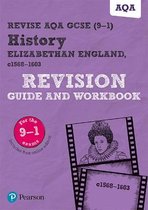
The Elizabethan era, spanning from 1558 to 1603, marks one of the
most significant periods in English history, named after Queen Elizabeth
I, who reigned during this time. It is often regarded as a golden age of
English culture, characterized by remarkable achievements in literature,
exploration, and the arts. Elizabeth I’s leadership brought stability to
England after the turbulent reigns of her predecessors, including the
religious upheavals of the Reformation. Her reign established the
Protestant Church of England and solidified England as a powerful
European force.
The Elizabethan period is best known for its flourishing arts, especially
drama. It was the era of William Shakespeare, Christopher Marlowe, and
other playwrights who transformed the world of theatre. Shakespeare’s
plays, such as Hamlet and Romeo and Juliet, still captivate audiences
today with their exploration of human nature.
In addition to its literary legacy, the era saw advancements in science
and exploration. The voyages of figures like Sir Francis Drake expanded
England’s influence globally, paving the way for the British Empire. The
period also witnessed a vibrant cultural life, with a growing middle-class
enjoying theatre, music, and other forms of entertainment.
Overall, the Elizabethan era left an indelible mark on England’s cultural,
political, and economic landscape.
most significant periods in English history, named after Queen Elizabeth
I, who reigned during this time. It is often regarded as a golden age of
English culture, characterized by remarkable achievements in literature,
exploration, and the arts. Elizabeth I’s leadership brought stability to
England after the turbulent reigns of her predecessors, including the
religious upheavals of the Reformation. Her reign established the
Protestant Church of England and solidified England as a powerful
European force.
The Elizabethan period is best known for its flourishing arts, especially
drama. It was the era of William Shakespeare, Christopher Marlowe, and
other playwrights who transformed the world of theatre. Shakespeare’s
plays, such as Hamlet and Romeo and Juliet, still captivate audiences
today with their exploration of human nature.
In addition to its literary legacy, the era saw advancements in science
and exploration. The voyages of figures like Sir Francis Drake expanded
England’s influence globally, paving the way for the British Empire. The
period also witnessed a vibrant cultural life, with a growing middle-class
enjoying theatre, music, and other forms of entertainment.
Overall, the Elizabethan era left an indelible mark on England’s cultural,
political, and economic landscape.