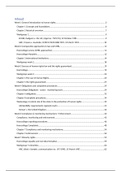
Inhoud
Week 1 General introduction to human rights.......................................................................................3
Chapter 1 Concepts and foundations.................................................................................................6
Chapter 2 historical overview.............................................................................................................7
Werkgroep 1.......................................................................................................................................9
ECtHR, Dudgeon v. the UK, (Appl.no. 7525/76), 22 October 1981..................................................9
HRC, Toonen v. Australia, CCPR/C/50/D/488/1992, 31 March 1994............................................10
Week 2 Comparative approaches to law and CHRL..............................................................................11
Hoorcollege Lorena (CHRL approaches)...........................................................................................11
Hoorcollege Marjolein......................................................................................................................12
Chapter 3 International institutions..................................................................................................14
Werkgroep week 2...........................................................................................................................18
Week 3 Sources of human rights law and the rights guaranteed.........................................................19
Hoorcollege......................................................................................................................................19
Werkgroep week 2...........................................................................................................................23
Chapter 4 The Law of human Rights.................................................................................................23
Chapter 5 the rights guaranteed.......................................................................................................27
Week 4 Obligations and complaints procedures..................................................................................29
Hoorcollege Obligations - actors - monitoring tools.........................................................................29
Chapter 6 obligations........................................................................................................................32
Chapter 8 complaint procedures......................................................................................................34
Werkcolege 4 central role of the state in the protection of human rights.......................................39
Admissibility requirements regional courts..................................................................................41
Osman v. the United Kingdom......................................................................................................42
Week 6 Compliance & monitoring mechanisms + Enforcement..........................................................43
Compliance, monitoring and enforcement.......................................................................................43
Hoorcollege reporting procedures....................................................................................................46
Hoorcollege Complaints...................................................................................................................48
Chapter 7 Compliance and monitoring mechanisms........................................................................54
Chapter 9 enforcement....................................................................................................................56
Week 7 Minority rights.........................................................................................................................59
Hoorcollege equality and non-discrimination...................................................................................59
Werkgroup 7 minorities....................................................................................................................62
HRC, Kitok v Sweden, communication no. 197/1985, 25 March 1987..........................................62
, African Court on Human and Peoples’ Rights, APDF and IHRDA v Republic of Mali, appl.no.
046/2016, 11 May 2018................................................................................................................62
Hoorcollege Minority rights: what suits the minority does not necessarily suit minorities..............68
Sandra Lovelace v Canada (HRC 1981)..........................................................................................69
Week 8 wrapping up.............................................................................................................................74
,Week 1 General introduction to human rights
Hoorcollege
Human rights approaches
- moral (normative) - raises questions about legitimacy, justification, foundation
- instrumental (tool) - concerned with consequences
Dignity
- often used, yet vague (or vice versa?)
- degrading treatment = violation of dignity (e.g. Tyrer v UK, ECtHR 1978)
- yet: it is not a ‘right to die in dignity’ (Pretty v UK, ECtHR 2002)
- nor a right to earn your money as you like (even if it is one of the very few options open
to you) (Wackenheim v France, HRC, 2002)
- risk of subjective interpretations (e.g. is women’s dignity the same as men’s?)
Equality
- alternative for class, caste or aristocracy-based societies
o strong link to democracy
- equality of treatment or result?
- what if people have different needs / interests?
o who decides which rights are to be human rights?
be aware of implicit point of reference; privileged perspectives and / or just
contextual differences (e.g. geographical)
- what if people have been marginalized / oppressed?
Free and equal
- both hr principles
- yet intrinsic tension between liberty & equality:
o individual exercise of rights ends where the rights of others are (disproportionately)
affected (e.g. art. 9(2) ECHR)
requires balancing of competing rights
e.g. freedom of expression includes the ‘right to offend, shock or disturb’, ECtHR in
Handyside, 1976)
o individual rights claims may interfere with societal interests (‘common good’), e.g.
very expensive medical treatment & the right to health care
Types of rights
- 3 generations? as in:
o civil and political = ‘freedom to’
o economic, social and cultural = ‘freedom from’
o solidarity rights (see esp. African Charter on Human & Peoples’ Rights)
this is linked to the distinction made by Shelton between:
- rights as: obligation that someone has towards you; as immunity, as privilege, as the power
to do something
, NO:
- Vienna Declaration & Programme of Action 1993, para 5:
- All human rights are universal, indivisible and interdependent and interrelated. The
international community must treat human rights globally in a fair and equal manner...
Perceived differences between 1st and 2nd generation rights
civil & political
- precise wording
- only ‘negative’ obligations (to ‘respect’)
- immediate implementation
economic, social & cultural
- vague provisions
- only positive obligations (esp. to fulfil)
- progressive realisation
State obligations: the ‘tripartite typology’
- to respect: refrain from interference, leave people alone & let them enjoy their freedom
(‘negative’ obligation)
- to protect: prevent & repress violations by any party (esp. NSA):
o prevent violations
o eliminate incentives for violations
o provide legal remedies
- to fulfil: legislative and other measures to fully realise human rights
However: no sharp distinction
- untenable from historical perspective
- some rights do not ‘fit’, e.g. right to property
- in practice civil rights may entail positive obligations en econ/soc/cult rights bring along
negative obligations as well, e.g.:
o free choice of school
o availability of (primary) education
- indivisibility, interdependence & interrelatedness of human rights
other distinctions that can be made between human rights are:
- obligations of conduct & result
- immediate and progressive obligations
- negative and positive obligations
Human rights actors
- states: primary role in IL
o IGOs: intergovernmental organisations
- Non-state actors (NSA)
o Individuals: increasingly a role: as applicants and as accused: ICC
o NGOs: may bring a case on behalf, may lobby, be activists, collect info, may be
victim:
Week 1 General introduction to human rights.......................................................................................3
Chapter 1 Concepts and foundations.................................................................................................6
Chapter 2 historical overview.............................................................................................................7
Werkgroep 1.......................................................................................................................................9
ECtHR, Dudgeon v. the UK, (Appl.no. 7525/76), 22 October 1981..................................................9
HRC, Toonen v. Australia, CCPR/C/50/D/488/1992, 31 March 1994............................................10
Week 2 Comparative approaches to law and CHRL..............................................................................11
Hoorcollege Lorena (CHRL approaches)...........................................................................................11
Hoorcollege Marjolein......................................................................................................................12
Chapter 3 International institutions..................................................................................................14
Werkgroep week 2...........................................................................................................................18
Week 3 Sources of human rights law and the rights guaranteed.........................................................19
Hoorcollege......................................................................................................................................19
Werkgroep week 2...........................................................................................................................23
Chapter 4 The Law of human Rights.................................................................................................23
Chapter 5 the rights guaranteed.......................................................................................................27
Week 4 Obligations and complaints procedures..................................................................................29
Hoorcollege Obligations - actors - monitoring tools.........................................................................29
Chapter 6 obligations........................................................................................................................32
Chapter 8 complaint procedures......................................................................................................34
Werkcolege 4 central role of the state in the protection of human rights.......................................39
Admissibility requirements regional courts..................................................................................41
Osman v. the United Kingdom......................................................................................................42
Week 6 Compliance & monitoring mechanisms + Enforcement..........................................................43
Compliance, monitoring and enforcement.......................................................................................43
Hoorcollege reporting procedures....................................................................................................46
Hoorcollege Complaints...................................................................................................................48
Chapter 7 Compliance and monitoring mechanisms........................................................................54
Chapter 9 enforcement....................................................................................................................56
Week 7 Minority rights.........................................................................................................................59
Hoorcollege equality and non-discrimination...................................................................................59
Werkgroup 7 minorities....................................................................................................................62
HRC, Kitok v Sweden, communication no. 197/1985, 25 March 1987..........................................62
, African Court on Human and Peoples’ Rights, APDF and IHRDA v Republic of Mali, appl.no.
046/2016, 11 May 2018................................................................................................................62
Hoorcollege Minority rights: what suits the minority does not necessarily suit minorities..............68
Sandra Lovelace v Canada (HRC 1981)..........................................................................................69
Week 8 wrapping up.............................................................................................................................74
,Week 1 General introduction to human rights
Hoorcollege
Human rights approaches
- moral (normative) - raises questions about legitimacy, justification, foundation
- instrumental (tool) - concerned with consequences
Dignity
- often used, yet vague (or vice versa?)
- degrading treatment = violation of dignity (e.g. Tyrer v UK, ECtHR 1978)
- yet: it is not a ‘right to die in dignity’ (Pretty v UK, ECtHR 2002)
- nor a right to earn your money as you like (even if it is one of the very few options open
to you) (Wackenheim v France, HRC, 2002)
- risk of subjective interpretations (e.g. is women’s dignity the same as men’s?)
Equality
- alternative for class, caste or aristocracy-based societies
o strong link to democracy
- equality of treatment or result?
- what if people have different needs / interests?
o who decides which rights are to be human rights?
be aware of implicit point of reference; privileged perspectives and / or just
contextual differences (e.g. geographical)
- what if people have been marginalized / oppressed?
Free and equal
- both hr principles
- yet intrinsic tension between liberty & equality:
o individual exercise of rights ends where the rights of others are (disproportionately)
affected (e.g. art. 9(2) ECHR)
requires balancing of competing rights
e.g. freedom of expression includes the ‘right to offend, shock or disturb’, ECtHR in
Handyside, 1976)
o individual rights claims may interfere with societal interests (‘common good’), e.g.
very expensive medical treatment & the right to health care
Types of rights
- 3 generations? as in:
o civil and political = ‘freedom to’
o economic, social and cultural = ‘freedom from’
o solidarity rights (see esp. African Charter on Human & Peoples’ Rights)
this is linked to the distinction made by Shelton between:
- rights as: obligation that someone has towards you; as immunity, as privilege, as the power
to do something
, NO:
- Vienna Declaration & Programme of Action 1993, para 5:
- All human rights are universal, indivisible and interdependent and interrelated. The
international community must treat human rights globally in a fair and equal manner...
Perceived differences between 1st and 2nd generation rights
civil & political
- precise wording
- only ‘negative’ obligations (to ‘respect’)
- immediate implementation
economic, social & cultural
- vague provisions
- only positive obligations (esp. to fulfil)
- progressive realisation
State obligations: the ‘tripartite typology’
- to respect: refrain from interference, leave people alone & let them enjoy their freedom
(‘negative’ obligation)
- to protect: prevent & repress violations by any party (esp. NSA):
o prevent violations
o eliminate incentives for violations
o provide legal remedies
- to fulfil: legislative and other measures to fully realise human rights
However: no sharp distinction
- untenable from historical perspective
- some rights do not ‘fit’, e.g. right to property
- in practice civil rights may entail positive obligations en econ/soc/cult rights bring along
negative obligations as well, e.g.:
o free choice of school
o availability of (primary) education
- indivisibility, interdependence & interrelatedness of human rights
other distinctions that can be made between human rights are:
- obligations of conduct & result
- immediate and progressive obligations
- negative and positive obligations
Human rights actors
- states: primary role in IL
o IGOs: intergovernmental organisations
- Non-state actors (NSA)
o Individuals: increasingly a role: as applicants and as accused: ICC
o NGOs: may bring a case on behalf, may lobby, be activists, collect info, may be
victim: