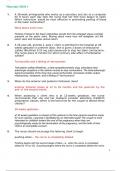
Non-therapeutic communication Techniques
How do they inhibit good communication?
Asking personal questions
- Ex: “Why don’t you and John get married?” Asking personal questions that are not
relevant to a situation simply to satisfy your curiosity is appropriate professional communication.
To learn more about a patient's interpersonal roles and relationships, ask questions such as, “how
would you describe your relationship with John?”
Using stereotypes
- Ex: “Older adults are always confused.” “Administration doesn't care about the staff.”
Stereotypes are generalized beliefs held about people making stereotypical remarks about others
reflecting poor nursing judgment and threatening nurse-patient or team relationships.
- Ex: “You can’t win them all” be a little the other person's feelings and minimize their
plans of his reward message. These phrases communicate that you are not taking concerns
seriously or responding thoughtfully.
False reassurance
- “Don't worry; everything will be all right.” When a patient is seriously ill or distressed,
you may be tempted to offer hope to him or her with statements such as “you'll be fine” or
“there's nothing to worry about.”
1
, - Although you are trying to be kind. It is the secondary effect of helping you avoid other
persons to stress, and it tends to block conversation and discourage the further expression of
feelings.
- To use a more facilitative response you can say, ”It must be difficult to not know what
the surgeon will find. What can I do to help?”
Asking for explanations
- “Why are you so anxious?” Patients frequently interpret why questions as accusations or
think nurses know the reason and are simply testing them. Asking why questions cause
resentment, insecurity, and mistrust.
- If you need additional information, it is best to phrase a question to avoid using the word
why?
- For example, “You seem upset. “what's on your mind?” is more likely to help an anxious
patient communicate.
Imposing our values/beliefs
- “You shouldn't even think about assisted suicide. It's not right.” Do not impose your
attitudes, values, beliefs, and moral standards on others while in the professional helping role.
Judgmental responses often contain terms such as should ought, good, bad, right, or wrong.
- Disapproval implies that the patient needs to meet your expectation or standards. Instead,
help patients explore their own beliefs and decisions.
o For example, the response of “I'm surprised you're considering assisted suicide. Tell me more
about it” gives the patient a chance to express ideas or feelings without fear of being judged.
2
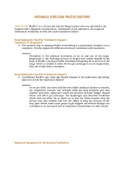
How do they inhibit good communication?
Asking personal questions
- Ex: “Why don’t you and John get married?” Asking personal questions that are not
relevant to a situation simply to satisfy your curiosity is appropriate professional communication.
To learn more about a patient's interpersonal roles and relationships, ask questions such as, “how
would you describe your relationship with John?”
Using stereotypes
- Ex: “Older adults are always confused.” “Administration doesn't care about the staff.”
Stereotypes are generalized beliefs held about people making stereotypical remarks about others
reflecting poor nursing judgment and threatening nurse-patient or team relationships.
- Ex: “You can’t win them all” be a little the other person's feelings and minimize their
plans of his reward message. These phrases communicate that you are not taking concerns
seriously or responding thoughtfully.
False reassurance
- “Don't worry; everything will be all right.” When a patient is seriously ill or distressed,
you may be tempted to offer hope to him or her with statements such as “you'll be fine” or
“there's nothing to worry about.”
1
, - Although you are trying to be kind. It is the secondary effect of helping you avoid other
persons to stress, and it tends to block conversation and discourage the further expression of
feelings.
- To use a more facilitative response you can say, ”It must be difficult to not know what
the surgeon will find. What can I do to help?”
Asking for explanations
- “Why are you so anxious?” Patients frequently interpret why questions as accusations or
think nurses know the reason and are simply testing them. Asking why questions cause
resentment, insecurity, and mistrust.
- If you need additional information, it is best to phrase a question to avoid using the word
why?
- For example, “You seem upset. “what's on your mind?” is more likely to help an anxious
patient communicate.
Imposing our values/beliefs
- “You shouldn't even think about assisted suicide. It's not right.” Do not impose your
attitudes, values, beliefs, and moral standards on others while in the professional helping role.
Judgmental responses often contain terms such as should ought, good, bad, right, or wrong.
- Disapproval implies that the patient needs to meet your expectation or standards. Instead,
help patients explore their own beliefs and decisions.
o For example, the response of “I'm surprised you're considering assisted suicide. Tell me more
about it” gives the patient a chance to express ideas or feelings without fear of being judged.
2