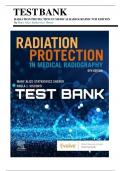
TEST VCBANK VCRADIATION VCPROTECTION VCIN
VCMEDICALRADIOGRAPHY VC9TH VCEDITION VCBy VCMary VCAlice
VCStatkiewicz VCSherer
, TABLE VCOF V C CONTENT
Chapter VC1. VCIntroduction VCto VCRadiation VCProtection
Chapter VC2. V C Radiation: V C Types, VCSources, VCand V C Doses
VC ReceivedVCChapter VC3. VCInteraction VCof VCX-Radiation
VC with VCMatter
Chapter VC4. VCRadiation VCQuantities VCand
VC UnitsVCChapter VC5. VCRadiation
VC Monitoring
Chapter VC6. VC Overview VCof VCCell VCBiology
Chapter VC7. VCMolecular VCand VCCellular VCRadiation VCBiology
Chapter VC8. VCEarly VCTissue VCReactions VCand VCTheir VCEffects VCon VCOrgan
VC Systems VCChapter VC9. VCStochastic VCEffects VCand VCLate VCTissue
VC Reactions VCof VCRadiation VCin VCOrganVCSystems
Chapter VC10. VCDose VCLimits VCfor VCExposure VCto
VC Ionizing VCRadiationVCChapter VC11. VCEquipment VCDesign
for VCRadiation VCProtection
VC
Chapter VC12. VCManagement VCof VCPatient VCRadiation VCDose VCDuring
VC Diagnostic VCX-RayVCProcedures
Chapter VC13. VC Radiation VC Safety VCin VC Computed VCTomography VCand
VC MammographyVCChapter VC14. VCManagement VCof VCImaging VCPersonnel
VC Radiation VCDose VCDuring VCDiagnostic VCX-Ray VCProcedures
Chapter VC15. VCRadioisotopes VCand VCRadiation VC Protection
Chapter V C 01: VC Introduction V C to VC Radiation V C Protection
Sherer: V C Radiation V C Protection VCin VCMedical V C Radiography, V C 9th V C Edition
MULTIPLE
VC CHOICE
1. Consequences VCof VCionization V C in VC human V C cells V C include
1. creation VCof VCunstable V C atoms.
2. production V C of VCfree V C electrons.
3. creation VCof VChighly VCreactive VCfree VCmolecules VC(called VCfree VCradicals)
VCcapable VCof VCproducingVCsubstances V C poisonous V C to VC the VC cell.
4. creation VCof VCnew VCbiologic V C molecules V C detrimental V C to VCthe VCliving V C cell.
5. injury VCto VCthe V C cell VC that VC may VC manifest V C itself V C as VCabnormal V C function VC or
VCloss VC of VCfunction.
6. production VC of VClow-energy VC x-ray VCphotons.
a. 1, VC2, VC3, VCand VC4 VConly
,b. 2, VC3, VC4, VCand VC5 VConly
c. 3, VC4, VC5, VCand VC6 VConly
d. All VCthe VCoptions
ANS: VCD
, 2. Which V C of VCthe V C following VCis V C a VCform V C of VCradiation VCthat VC is VC capable V C of
VCcreating VCelectrically VCchargedVCparticles VCby VCremoving VCorbital VCelectrons VCfrom
VCthe VCatom VCof VCnormal VCmatter VCthrough VCwhich VCit VCpasses?
a. Ionizing V C radiation
b. Nonionizing V C radiation
c. Subatomic V C radiation
d. Ultrasonic V C radiation
ANS: VCA
3. Regarding V C exposure V C to VCionizing V C radiation, VCpatients V C who VC are VCeducated VC to
VC understand V C the VCmedicalVCbenefit V C of VC an VCimaging VC procedure V C are VC more
VC likely V C to
a. assume VCa VCsmall VCchance VCof VCbiologic VCdamage VCbut VCnot VCsuppress
VCany VCradiation VCphobiaVCthey VC may VC have.
b. cancel V C their V C scheduled VC procedure V C because V C they VC are VC not
VC willing VC to VC assume V C a VCsmallVCchance V C of VC biologic VC damage.
c. suppress V C any VCradiation VCphobia V C but VCnot VC risk V C a VCsmall
V C chance V C of VCpossible VC VCbiologicVCdamage.
d. suppress V C any VC radiation VC phobia V C and VC be VCwilling VC to VCassume VCa
VCsmall VCchance V C of VCpossibleVCbiologic VC damage.
ANS: VCD
4. The VCmillisievert V C (mSv) VCis VCequal VCto
a. 1/10 VCof VCa VCsievert.
b. 1/100 VCof VCa VCsievert.
c. 1/1000 VCof VCa VCsievert.
d. 1/10,000 VCof VCa VCsievert.
ANS: VCC
5. The V C advantages VCof VCthe V C BERT V C method V C are
1. BERT V C does VCnot VC imply VCradiation V C risk; VC it VC is VC simply V C a VCmeans V C for
VC comparison.
2. BERT V C emphasizes V C that V C radiation V C is V C an VCinnate V C part VCof VCthe VC environment.
3. BERT V C provides V C an VCanswer V C that V C is V C easy VCfor V C the VC patient V C to
VCcomprehend.
a. 1 VCand VC2 VConly
b. 1 VCand VC3 VConly
c. 2 VCand VC3 VConly
d. All VCthe VCoptions
ANS: VCD
6. If VCa VCpatient VCasks VCa VCradiographer VCa VCquestion VCabout VChow VCmuch VCradiation
VChe VCor VCshe VCwill VCreceiveVCfrom V C a VCspecific VC x-ray VCprocedure, V C the
V C radiographer V C can
a. respond V C by VCusing VC an VCestimation VC based VCon VCthe V C comparison V C of
VCradiation VC received V CfromVCthe VC x-ray VC to VCnatural V C background
V C radiation V Creceived.
b. avoid VC the VCpatient’s V C question VC by VCchanging V C the VCsubject.
c. tell VCthe VCpatient VCthat VCit VCis VCunethical VC to VCdiscuss VC such VCconcerns.
d. refuse V C to VCanswer V C the VC question V C and VC recommend VC that VC he
VC or VCshe V C speak VCwith V C theVCreferring V C physician.
ANS: VCA
7. Why VC should V C the V C selection VCof VCtechnical V C exposure V C factors V C for VC all
VCmedical V C imaging V C proceduresVCalways V C follow VC ALARA?
VCMEDICALRADIOGRAPHY VC9TH VCEDITION VCBy VCMary VCAlice
VCStatkiewicz VCSherer
, TABLE VCOF V C CONTENT
Chapter VC1. VCIntroduction VCto VCRadiation VCProtection
Chapter VC2. V C Radiation: V C Types, VCSources, VCand V C Doses
VC ReceivedVCChapter VC3. VCInteraction VCof VCX-Radiation
VC with VCMatter
Chapter VC4. VCRadiation VCQuantities VCand
VC UnitsVCChapter VC5. VCRadiation
VC Monitoring
Chapter VC6. VC Overview VCof VCCell VCBiology
Chapter VC7. VCMolecular VCand VCCellular VCRadiation VCBiology
Chapter VC8. VCEarly VCTissue VCReactions VCand VCTheir VCEffects VCon VCOrgan
VC Systems VCChapter VC9. VCStochastic VCEffects VCand VCLate VCTissue
VC Reactions VCof VCRadiation VCin VCOrganVCSystems
Chapter VC10. VCDose VCLimits VCfor VCExposure VCto
VC Ionizing VCRadiationVCChapter VC11. VCEquipment VCDesign
for VCRadiation VCProtection
VC
Chapter VC12. VCManagement VCof VCPatient VCRadiation VCDose VCDuring
VC Diagnostic VCX-RayVCProcedures
Chapter VC13. VC Radiation VC Safety VCin VC Computed VCTomography VCand
VC MammographyVCChapter VC14. VCManagement VCof VCImaging VCPersonnel
VC Radiation VCDose VCDuring VCDiagnostic VCX-Ray VCProcedures
Chapter VC15. VCRadioisotopes VCand VCRadiation VC Protection
Chapter V C 01: VC Introduction V C to VC Radiation V C Protection
Sherer: V C Radiation V C Protection VCin VCMedical V C Radiography, V C 9th V C Edition
MULTIPLE
VC CHOICE
1. Consequences VCof VCionization V C in VC human V C cells V C include
1. creation VCof VCunstable V C atoms.
2. production V C of VCfree V C electrons.
3. creation VCof VChighly VCreactive VCfree VCmolecules VC(called VCfree VCradicals)
VCcapable VCof VCproducingVCsubstances V C poisonous V C to VC the VC cell.
4. creation VCof VCnew VCbiologic V C molecules V C detrimental V C to VCthe VCliving V C cell.
5. injury VCto VCthe V C cell VC that VC may VC manifest V C itself V C as VCabnormal V C function VC or
VCloss VC of VCfunction.
6. production VC of VClow-energy VC x-ray VCphotons.
a. 1, VC2, VC3, VCand VC4 VConly
,b. 2, VC3, VC4, VCand VC5 VConly
c. 3, VC4, VC5, VCand VC6 VConly
d. All VCthe VCoptions
ANS: VCD
, 2. Which V C of VCthe V C following VCis V C a VCform V C of VCradiation VCthat VC is VC capable V C of
VCcreating VCelectrically VCchargedVCparticles VCby VCremoving VCorbital VCelectrons VCfrom
VCthe VCatom VCof VCnormal VCmatter VCthrough VCwhich VCit VCpasses?
a. Ionizing V C radiation
b. Nonionizing V C radiation
c. Subatomic V C radiation
d. Ultrasonic V C radiation
ANS: VCA
3. Regarding V C exposure V C to VCionizing V C radiation, VCpatients V C who VC are VCeducated VC to
VC understand V C the VCmedicalVCbenefit V C of VC an VCimaging VC procedure V C are VC more
VC likely V C to
a. assume VCa VCsmall VCchance VCof VCbiologic VCdamage VCbut VCnot VCsuppress
VCany VCradiation VCphobiaVCthey VC may VC have.
b. cancel V C their V C scheduled VC procedure V C because V C they VC are VC not
VC willing VC to VC assume V C a VCsmallVCchance V C of VC biologic VC damage.
c. suppress V C any VCradiation VCphobia V C but VCnot VC risk V C a VCsmall
V C chance V C of VCpossible VC VCbiologicVCdamage.
d. suppress V C any VC radiation VC phobia V C and VC be VCwilling VC to VCassume VCa
VCsmall VCchance V C of VCpossibleVCbiologic VC damage.
ANS: VCD
4. The VCmillisievert V C (mSv) VCis VCequal VCto
a. 1/10 VCof VCa VCsievert.
b. 1/100 VCof VCa VCsievert.
c. 1/1000 VCof VCa VCsievert.
d. 1/10,000 VCof VCa VCsievert.
ANS: VCC
5. The V C advantages VCof VCthe V C BERT V C method V C are
1. BERT V C does VCnot VC imply VCradiation V C risk; VC it VC is VC simply V C a VCmeans V C for
VC comparison.
2. BERT V C emphasizes V C that V C radiation V C is V C an VCinnate V C part VCof VCthe VC environment.
3. BERT V C provides V C an VCanswer V C that V C is V C easy VCfor V C the VC patient V C to
VCcomprehend.
a. 1 VCand VC2 VConly
b. 1 VCand VC3 VConly
c. 2 VCand VC3 VConly
d. All VCthe VCoptions
ANS: VCD
6. If VCa VCpatient VCasks VCa VCradiographer VCa VCquestion VCabout VChow VCmuch VCradiation
VChe VCor VCshe VCwill VCreceiveVCfrom V C a VCspecific VC x-ray VCprocedure, V C the
V C radiographer V C can
a. respond V C by VCusing VC an VCestimation VC based VCon VCthe V C comparison V C of
VCradiation VC received V CfromVCthe VC x-ray VC to VCnatural V C background
V C radiation V Creceived.
b. avoid VC the VCpatient’s V C question VC by VCchanging V C the VCsubject.
c. tell VCthe VCpatient VCthat VCit VCis VCunethical VC to VCdiscuss VC such VCconcerns.
d. refuse V C to VCanswer V C the VC question V C and VC recommend VC that VC he
VC or VCshe V C speak VCwith V C theVCreferring V C physician.
ANS: VCA
7. Why VC should V C the V C selection VCof VCtechnical V C exposure V C factors V C for VC all
VCmedical V C imaging V C proceduresVCalways V C follow VC ALARA?