, Geography - APHumanGeography II of XI pages
Circle the letter of the Definition that corresponds to the displayed Term.
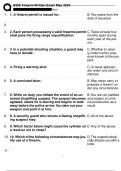
1. Animism
A: This refers to the origin and meaning of the names of religions. This is important to HG because many
B: Identity with a group of people that share distinct physical and mental traits as a product of common
C the belief that objects, such as natural events have a discrete spirit and conscious life.
D: Idea that the core maintains the main economic power of a region and the outlying region or periphery
2. Ethnicity
A: Idea that the core maintains the main economic power of a region and the outlying region or periphery
B: a regional variation of a language that can be distinguished by its distinctive pronunciation, vocabulary,
C: The main religion of India which includes the worship of many gods and the belief that after you die
D Identity with a group of people that share distinct physical and mental traits as a product of common
3. Toponym
A: The way humans adapt to the physical and cultural landscape they are living in.
B another word for name, but is specific to locations
C: the religion based on the person and teachings of Jesus of Nazareth, or its beliefs and practices.
D: a family of several hundred related languages and dialects
4. Culture realm
A: the government is presumed to be divinely ordained by God.
B: That part of the physical landscape that represents materrial culture; the buildings, roads, bridges, and
C a geographical region where cultural traits maintain homogeneity.
D: The muslim pilgrimige to Mecca, the birthplace of Muhammad
5. Hadj
A: the government is presumed to be divinely ordained by God.
B The muslim pilgrimige to Mecca, the birthplace of Muhammad
C: This is where most religions are born. Most major religions have come from the Middle East near
but a few have come from India too. This is important to HG because where religions are created,
D: the religion based on the person and teachings of Jesus of Nazareth, or its beliefs and practices.
6. Ethnic homeland
A: The way humans adapt to the physical and cultural landscape they are living in.
B: the nonphysical ideas that people have about their culture, including beliefs, values, rules, norms,
C: they offer belief systems that are attractive to the universal population.
D a sizable area inhabited by an ethnic minority that exhibits a strong sense of attachment to the region
Geography - 2024/25 2024/2025 Edition
Circle the letter of the Definition that corresponds to the displayed Term.
1. Animism
A: This refers to the origin and meaning of the names of religions. This is important to HG because many
B: Identity with a group of people that share distinct physical and mental traits as a product of common
C the belief that objects, such as natural events have a discrete spirit and conscious life.
D: Idea that the core maintains the main economic power of a region and the outlying region or periphery
2. Ethnicity
A: Idea that the core maintains the main economic power of a region and the outlying region or periphery
B: a regional variation of a language that can be distinguished by its distinctive pronunciation, vocabulary,
C: The main religion of India which includes the worship of many gods and the belief that after you die
D Identity with a group of people that share distinct physical and mental traits as a product of common
3. Toponym
A: The way humans adapt to the physical and cultural landscape they are living in.
B another word for name, but is specific to locations
C: the religion based on the person and teachings of Jesus of Nazareth, or its beliefs and practices.
D: a family of several hundred related languages and dialects
4. Culture realm
A: the government is presumed to be divinely ordained by God.
B: That part of the physical landscape that represents materrial culture; the buildings, roads, bridges, and
C a geographical region where cultural traits maintain homogeneity.
D: The muslim pilgrimige to Mecca, the birthplace of Muhammad
5. Hadj
A: the government is presumed to be divinely ordained by God.
B The muslim pilgrimige to Mecca, the birthplace of Muhammad
C: This is where most religions are born. Most major religions have come from the Middle East near
but a few have come from India too. This is important to HG because where religions are created,
D: the religion based on the person and teachings of Jesus of Nazareth, or its beliefs and practices.
6. Ethnic homeland
A: The way humans adapt to the physical and cultural landscape they are living in.
B: the nonphysical ideas that people have about their culture, including beliefs, values, rules, norms,
C: they offer belief systems that are attractive to the universal population.
D a sizable area inhabited by an ethnic minority that exhibits a strong sense of attachment to the region
Geography - 2024/25 2024/2025 Edition