
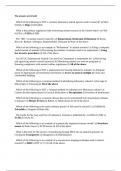
The answers are in bold
Which of the following is NOT a common laboratory animal species used in research? a) Mice
b) Rats c) Dogs d) Zebrafish
What is the primary regulatory body overseeing animal research in the United States? a) FDA
b) EPA c) USDA d) NIH
The "3Rs" of animal research stand for: a) Replacement, Reduction, Refinement b) Reuse,
Recycle, Reduce c) Respect, Responsibility, Restraint d) None of the above
Which of the following is an example of "Refinement" in animal research? a) Using a computer
model instead of animals b) Decreasing the number of animals used in an experiment c) Using
less invasive procedures d) All of the above
An IACUC (Institutional Animal Care and Use Committee) is responsible for: a) Reviewing
and approving animal research protocols b) Monitoring animal care and use programs c)
Ensuring compliance with animal welfare regulations d) All of the above
Which of the following is NOT a requirement for housing laboratory animals? a) Adequate
space b) Appropriate environmental enrichment c) Access to natural sunlight d) Clean and
comfortable bedding
Which of the following is a common method of identifying laboratory rodents? a) Ear tags b)
Microchips c) Tattooing d) All of the above
Which of the following is NOT a common method of euthanasia for laboratory rodents? a)
Carbon dioxide asphyxiation b) Cervical dislocation c) Decapitation d) Overdose of barbiturates
Which of the following is a zoonotic disease that can be transmitted from non-human primates
to humans? a) Herpes B virus b) Rabies c) Tuberculosis d) All of the above
Which of the following is the most common species of fish used in research? a) Goldfish b)
Zebrafish c) Guppies d) Betta fish
The Guide for the Care and Use of Laboratory Animals is published by: a) USDA b) NIH c)
ILAR d) AAALAC
Which of the following is an example of a genetically engineered mouse model? a) Knockout
mouse b) Nude mouse c) SCID mouse d) All of the above
What is the term for the process of introducing foreign DNA into an animal's genome? a)
Cloning b) Transgenesis c) Mutagenesis d) Hybridization
Which of the following is an example of a non-invasive imaging technique used in animal
research? a) MRI b) PET c) CT d) All of the above
, Which of the following is a common anesthetic agent used in laboratory animals? a) Isoflurane
b) Ketamine c) Xylazine d) All of the above
What is the term for the study of diseases in animal populations? a) Pathology b) Epidemiology
c) Microbiology d) Immunology
Which of the following is a common method of administering drugs to laboratory animals? a)
Oral gavage b) Injection c) Inhalation d) All of the above
What is the term for the process of breeding and raising laboratory animals in a controlled
environment? a) Husbandry b) Colony management c) Animal care d) Biosecurity
Which of the following is a common environmental enrichment for laboratory rodents? a)
Nesting material b) Chew toys c) Hiding places d) All of the above
Which of the following is a sign of pain or distress in laboratory animals? a) Vocalization b)
Changes in behavior c) Physiological changes d) All of the above
Which of the following is a common method for assessing the effectiveness of analgesia in
laboratory animals? a) Grimace scales b) Von Frey filaments c) Both a and b d) Neither a nor b
What is the term for the process of transferring an animal from one facility to another? a)
Quarantine b) Acclimatization c) Shipping d) Rehoming
Which of the following is an important consideration when shipping laboratory animals? a)
Appropriate container size and ventilation b) Temperature and humidity control c) Access to
food and water during transport d) All of the above
Which of the following is NOT a common biosecurity measure in laboratory animal facilities?
a) Restricted access to animal rooms b) Use of personal protective equipment c) Sharing
equipment between different animal rooms d) Regular cleaning and disinfection
What is the term for a disease that can be transmitted from animals to humans? a) Zoonosis b)
Anthroponosis c) Epizootic d) Pandemic
Which of the following is a common method for preventing zoonotic diseases in laboratory
animal facilities? a) Vaccination of animals b) Quarantine of new animals c) Good hygiene
practices d) All of the above
Which of the following is an example of a sentinel animal? a) An animal used to detect
environmental contaminants b) An animal used to monitor for the presence of infectious
diseases c) An animal used to test the efficacy of vaccines d) An animal used to study the effects
of aging
Which of the following is NOT a common laboratory animal species used in research? a) Mice
b) Rats c) Dogs d) Zebrafish
What is the primary regulatory body overseeing animal research in the United States? a) FDA
b) EPA c) USDA d) NIH
The "3Rs" of animal research stand for: a) Replacement, Reduction, Refinement b) Reuse,
Recycle, Reduce c) Respect, Responsibility, Restraint d) None of the above
Which of the following is an example of "Refinement" in animal research? a) Using a computer
model instead of animals b) Decreasing the number of animals used in an experiment c) Using
less invasive procedures d) All of the above
An IACUC (Institutional Animal Care and Use Committee) is responsible for: a) Reviewing
and approving animal research protocols b) Monitoring animal care and use programs c)
Ensuring compliance with animal welfare regulations d) All of the above
Which of the following is NOT a requirement for housing laboratory animals? a) Adequate
space b) Appropriate environmental enrichment c) Access to natural sunlight d) Clean and
comfortable bedding
Which of the following is a common method of identifying laboratory rodents? a) Ear tags b)
Microchips c) Tattooing d) All of the above
Which of the following is NOT a common method of euthanasia for laboratory rodents? a)
Carbon dioxide asphyxiation b) Cervical dislocation c) Decapitation d) Overdose of barbiturates
Which of the following is a zoonotic disease that can be transmitted from non-human primates
to humans? a) Herpes B virus b) Rabies c) Tuberculosis d) All of the above
Which of the following is the most common species of fish used in research? a) Goldfish b)
Zebrafish c) Guppies d) Betta fish
The Guide for the Care and Use of Laboratory Animals is published by: a) USDA b) NIH c)
ILAR d) AAALAC
Which of the following is an example of a genetically engineered mouse model? a) Knockout
mouse b) Nude mouse c) SCID mouse d) All of the above
What is the term for the process of introducing foreign DNA into an animal's genome? a)
Cloning b) Transgenesis c) Mutagenesis d) Hybridization
Which of the following is an example of a non-invasive imaging technique used in animal
research? a) MRI b) PET c) CT d) All of the above
, Which of the following is a common anesthetic agent used in laboratory animals? a) Isoflurane
b) Ketamine c) Xylazine d) All of the above
What is the term for the study of diseases in animal populations? a) Pathology b) Epidemiology
c) Microbiology d) Immunology
Which of the following is a common method of administering drugs to laboratory animals? a)
Oral gavage b) Injection c) Inhalation d) All of the above
What is the term for the process of breeding and raising laboratory animals in a controlled
environment? a) Husbandry b) Colony management c) Animal care d) Biosecurity
Which of the following is a common environmental enrichment for laboratory rodents? a)
Nesting material b) Chew toys c) Hiding places d) All of the above
Which of the following is a sign of pain or distress in laboratory animals? a) Vocalization b)
Changes in behavior c) Physiological changes d) All of the above
Which of the following is a common method for assessing the effectiveness of analgesia in
laboratory animals? a) Grimace scales b) Von Frey filaments c) Both a and b d) Neither a nor b
What is the term for the process of transferring an animal from one facility to another? a)
Quarantine b) Acclimatization c) Shipping d) Rehoming
Which of the following is an important consideration when shipping laboratory animals? a)
Appropriate container size and ventilation b) Temperature and humidity control c) Access to
food and water during transport d) All of the above
Which of the following is NOT a common biosecurity measure in laboratory animal facilities?
a) Restricted access to animal rooms b) Use of personal protective equipment c) Sharing
equipment between different animal rooms d) Regular cleaning and disinfection
What is the term for a disease that can be transmitted from animals to humans? a) Zoonosis b)
Anthroponosis c) Epizootic d) Pandemic
Which of the following is a common method for preventing zoonotic diseases in laboratory
animal facilities? a) Vaccination of animals b) Quarantine of new animals c) Good hygiene
practices d) All of the above
Which of the following is an example of a sentinel animal? a) An animal used to detect
environmental contaminants b) An animal used to monitor for the presence of infectious
diseases c) An animal used to test the efficacy of vaccines d) An animal used to study the effects
of aging


