
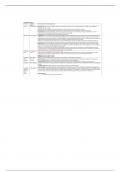
Basic Metabolic Panel
Lab value Reference Interpretation and Nursing Implications
range*
Sodium 135-145 mEq/L Hyponatremia: Strict I/O, daily weights, monitor for GI symptoms (anorexia, nausea, vomiting, abdominal cramping) and CNS symptoms
(lethargy, confusion, muscle
twitching, seizures). Avoid giving large water supplements. Seizure precautions when hyponatremia is severe.
Depending on cause, treatments include isotonic IV fluids, avoid diuretics, fluid restriction, hypertonic saline (severe cases).
Hypernatremia: Strict I/O, daily weights, and monitor for changes in behavior such as restlessness, lethargy, and disorientation. Look for
excessive thirst and elevated body temperature. Provide sufficient water intake.
Depending on cause, treatments include fluid replacement (oral or IV).
Potassium 3.6-5.0 mEq/L Hypokalemia can be life-threatening. For patients taking digoxin, assess for hypokalemia, which potentiates the action of digitalis. Patients with
hypokalemia are at risk of cardiac arrhythmias. Monitor patients for muscle cramps and weakness, paresthesias, fatigue, anorexia, decreased
bowel motility, and an irregular heartbeat. To prevent hypokalemia, educate patients about abuse of laxatives and diuretics. If giving IV potassium
supplementation, administer per facility policy (e.g. no more than 10 meq/hr) and monitor IV site closely.
If giving oral supplementation, give with food, do not crush extended release caps/tabs, and dilute liquid potassium as directed. Potassium is
renally cleared, so check to make sure that patient has adequate urine output and creatinine clearance (at least 30 mL/min) before repleting.
Hyperkalemia can be life-threatening. Monitor patients for arrhythmias, irritability, paresthesias, and anxiety, as well as GI symptoms such as
nausea and intestinal colic. Avoid giving patients with renal insufficiency potassium-sparing diuretics, potassium supplements, or salt substitutes.
Patients on ACE inhibitors should avoid potassium supplements.
Treatment is usually needed when the patient is symptomatic. Treatments may include Sodium polystyrene sulfonate (Kaexylate)—removes
potassium via GI tract, IV insulin (temporarily shifts insulin into the cell), albuterol (temporarily shifts insulin into the cell), IV calcium chloride or
gluconate (protects the myocardium from the harmful effects of hyperkalemia).
CO2 (Total 23-29 mEq/L or *Note: This is not the same as carbon dioxide on the ABG!
CO₂) mmol/L Total CO2 content includes the serum bicarbonate as well as available forms of carbon dioxide (i.e., dissolved CO2 and carbonic acid). Serum
bicarbonate comprises about 95% of the total CO2 so this test on a chemistry panel can be used to evaluate acid-base balance
High levels indicate metabolic alkalosis
Low levels indicate metabolic acidosis
BUN (Blood 6-20 mg/dL Measures the concentration of urea in the blood. Urea concentration is regulated by renal excretion
Urea (2.1 – 7.1 Increased levels may be due to dehydration and/or renal impairment. A less common cause is GI bleeding due to digestion of protein in the
Nitrogen) mmol/L) blood. Nursing implications: Monitor I/O, weights, and avoid nephrotoxins (esp. medications).
Decreased levels may be due to liver cirrhosis, malnutrition, or fluid volume excess. Low levels are not usually a cause for concern.
Creatinine 0.6–1.3 mg/dL Creatinine is end product of muscle and protein metabolism and is released as a constant rate. It’s more reliable than BUN when assessing renal
function.
Increased levels indicate renal impairment. Avoid nephrotoxins, monitor I/O and daily weights
Decreased levels are usually not significant and only indicative of low muscle mass. Low serum creatinine does not indicate renal impairment.
Estimated > 60 mL/min eGFR is used to screen for and detect early renal impairment. It’s a calculation based on the serum creatinine along with other variables such as
Glomerular age, sex, and race. African Americans tend to have a higher GFR than Caucasians due to differences in muscle mass composition but similar serum
Filtration creatinine levels. Creatinine is cleared solely by the kidneys and is therefore directly proportional to the glomerular filtration rate
Rate
(eGFR) (eGFR) Low levels:
Less than 60 indicates some renal impairment
, Less than 30 indicates severe renal impairment
Less than 15 indicated probable need for renal replacement therapy (i.e. dialysis)
Avoid nephrotoxins, monitor I/O and daily weights
Glucose *see note High levels: Some medications can cause hyperglycemia (corticosteroids, diuretics, total parenteral nutrition), even if the patient does not have
Lab value Reference Interpretation and Nursing Implications
range*
Sodium 135-145 mEq/L Hyponatremia: Strict I/O, daily weights, monitor for GI symptoms (anorexia, nausea, vomiting, abdominal cramping) and CNS symptoms
(lethargy, confusion, muscle
twitching, seizures). Avoid giving large water supplements. Seizure precautions when hyponatremia is severe.
Depending on cause, treatments include isotonic IV fluids, avoid diuretics, fluid restriction, hypertonic saline (severe cases).
Hypernatremia: Strict I/O, daily weights, and monitor for changes in behavior such as restlessness, lethargy, and disorientation. Look for
excessive thirst and elevated body temperature. Provide sufficient water intake.
Depending on cause, treatments include fluid replacement (oral or IV).
Potassium 3.6-5.0 mEq/L Hypokalemia can be life-threatening. For patients taking digoxin, assess for hypokalemia, which potentiates the action of digitalis. Patients with
hypokalemia are at risk of cardiac arrhythmias. Monitor patients for muscle cramps and weakness, paresthesias, fatigue, anorexia, decreased
bowel motility, and an irregular heartbeat. To prevent hypokalemia, educate patients about abuse of laxatives and diuretics. If giving IV potassium
supplementation, administer per facility policy (e.g. no more than 10 meq/hr) and monitor IV site closely.
If giving oral supplementation, give with food, do not crush extended release caps/tabs, and dilute liquid potassium as directed. Potassium is
renally cleared, so check to make sure that patient has adequate urine output and creatinine clearance (at least 30 mL/min) before repleting.
Hyperkalemia can be life-threatening. Monitor patients for arrhythmias, irritability, paresthesias, and anxiety, as well as GI symptoms such as
nausea and intestinal colic. Avoid giving patients with renal insufficiency potassium-sparing diuretics, potassium supplements, or salt substitutes.
Patients on ACE inhibitors should avoid potassium supplements.
Treatment is usually needed when the patient is symptomatic. Treatments may include Sodium polystyrene sulfonate (Kaexylate)—removes
potassium via GI tract, IV insulin (temporarily shifts insulin into the cell), albuterol (temporarily shifts insulin into the cell), IV calcium chloride or
gluconate (protects the myocardium from the harmful effects of hyperkalemia).
CO2 (Total 23-29 mEq/L or *Note: This is not the same as carbon dioxide on the ABG!
CO₂) mmol/L Total CO2 content includes the serum bicarbonate as well as available forms of carbon dioxide (i.e., dissolved CO2 and carbonic acid). Serum
bicarbonate comprises about 95% of the total CO2 so this test on a chemistry panel can be used to evaluate acid-base balance
High levels indicate metabolic alkalosis
Low levels indicate metabolic acidosis
BUN (Blood 6-20 mg/dL Measures the concentration of urea in the blood. Urea concentration is regulated by renal excretion
Urea (2.1 – 7.1 Increased levels may be due to dehydration and/or renal impairment. A less common cause is GI bleeding due to digestion of protein in the
Nitrogen) mmol/L) blood. Nursing implications: Monitor I/O, weights, and avoid nephrotoxins (esp. medications).
Decreased levels may be due to liver cirrhosis, malnutrition, or fluid volume excess. Low levels are not usually a cause for concern.
Creatinine 0.6–1.3 mg/dL Creatinine is end product of muscle and protein metabolism and is released as a constant rate. It’s more reliable than BUN when assessing renal
function.
Increased levels indicate renal impairment. Avoid nephrotoxins, monitor I/O and daily weights
Decreased levels are usually not significant and only indicative of low muscle mass. Low serum creatinine does not indicate renal impairment.
Estimated > 60 mL/min eGFR is used to screen for and detect early renal impairment. It’s a calculation based on the serum creatinine along with other variables such as
Glomerular age, sex, and race. African Americans tend to have a higher GFR than Caucasians due to differences in muscle mass composition but similar serum
Filtration creatinine levels. Creatinine is cleared solely by the kidneys and is therefore directly proportional to the glomerular filtration rate
Rate
(eGFR) (eGFR) Low levels:
Less than 60 indicates some renal impairment
, Less than 30 indicates severe renal impairment
Less than 15 indicated probable need for renal replacement therapy (i.e. dialysis)
Avoid nephrotoxins, monitor I/O and daily weights
Glucose *see note High levels: Some medications can cause hyperglycemia (corticosteroids, diuretics, total parenteral nutrition), even if the patient does not have


