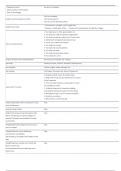
- Genesis Account the story of creation
- Adam and Eve in the Garden
- Tree of Knowledge
God is uncreated.
judaism key theological concepts God is all-powerful.
God is Just and demands justice
- Circumcision—of males, on the eighth day
judaism key rituals
- Passover—celebration of the - - Exodus and remembrance of captivity in Egypt
1. You shall have no other gods before me
2. You shall not make any graven images/idols
3. You shall not take the name of the Lord in vain
4. Remember the Sabbath and keep it holy
5. Honor your Father and Mother
the 10 commandments
6. You shall not murder
7. You shall not commit adultery
8. You shall not steal
9. You shall not bear false witness
10. You shall not covet
3 basic divisions of the Old Testament the torah, the prophets, the writings
the torah Genesis, Exodus, Leviticus, Numbers, Deuteronomy
the prophets Joshua, Judges, Isaiah, Jeremiah, etc.
the writings The Psalms, Proverbs, Job, Song of Songs, etc.
1. Miraculous Birth—born of a Virgin, Mary
2. Begins life ministry at 33, references to his early
life as carpenter
3. First recorded miracle—turning water to wine—
at a wedding in Cana
Jesus's life in 7 points
4. Multiple instances of miraculous healing,
including the raising of Lazarus from the dead
5. Betrayal by Judas, one of his twelve disciples
6. Death by crucifixion
7. Resurrection on the third day
initally called Saul intil his conversion on the Paul
road to Damascus
a jewish roman citizen Paul
made three long journeys throughout Asia Paul
Minor and along the coast of Aegean to
spread Christianity and establish Christian
communites
emphasized that Christianity was not just a Paul
sect of Judaism
Taught that Jesus, by his death and Paul
resurrection, had fulfilled
the prophecy of Judaism and initiated a new
age.
Taught that Jesus was the son of God, the Paul
giver of a new law,
and preached that Jesus' teachings were
open to all
, christianity stood out not only for its official valuing slaves, valuing women, and radical equality in social standing
doctrines, but also for...
- The Beatitudes: Blessed are the poor in the sermon on the Mont (Matthew 5)
spirit,
those who mourn, the meek, the pure in
heart,
the merciful, etc.
- Focus on the Heart, as much as action
- The Mote and the Beam
- Salt and Light
- Miraculous Birth—Virgin Born Son of God
- Perfect Life—Sinless
key theological principles
- Substitutionary Death—Atonement for Sin
- Resurrection—Fulfillment of Prophecy
- Baptism—Picture of Christ's Life, Proclamation of His
Lordship
key rituals
- The Lord's Supper—The Eucharist, a reenactment of the
Last Supper, done in remembrance
- Articulated chiefly by Plotinus
Neoplatonism - Soul is eternal and divine
- Argues for the "Unity of all existence"
Manicheism Sees the world as a conflict between good and evil
Born into Roman Culture in North Africa AUGUSTINE OF HIPPO
Influenced by Manicheism and Lived in AUGUSTINE OF HIPPO
Carthage
Becomes Bishop of Hippo AUGUSTINE OF HIPPO
- Confessions—discussion of Original Sin
- On the Trinity—Articulates the doctrine of the Trinity
Augustine of Hippo key works - City of God—Distinction between the civitas
terrena (city of the world) and the civitas dei
(city of God)
The belief articulated by Augustine that Original Sin
"sinfulness and the need for repentance
were the unrelenting
truths of human experience"
Augustine's view that sin was a description of Original Sin
human nature, not merely action
Refers to the first violation of divine Original Sin
command by Adam and Eve
The problem of relief—what can conquer Original Sin
sin?
The first emperor to embrace Christianity Constantine
Proclaims before battle: "In Hoc Signo Constantine
Vinces" ("In this sign, conquer")
After victory, signs the Edict of Milan Constantine
(313AD), ending persecution of the
church
- Adam and Eve in the Garden
- Tree of Knowledge
God is uncreated.
judaism key theological concepts God is all-powerful.
God is Just and demands justice
- Circumcision—of males, on the eighth day
judaism key rituals
- Passover—celebration of the - - Exodus and remembrance of captivity in Egypt
1. You shall have no other gods before me
2. You shall not make any graven images/idols
3. You shall not take the name of the Lord in vain
4. Remember the Sabbath and keep it holy
5. Honor your Father and Mother
the 10 commandments
6. You shall not murder
7. You shall not commit adultery
8. You shall not steal
9. You shall not bear false witness
10. You shall not covet
3 basic divisions of the Old Testament the torah, the prophets, the writings
the torah Genesis, Exodus, Leviticus, Numbers, Deuteronomy
the prophets Joshua, Judges, Isaiah, Jeremiah, etc.
the writings The Psalms, Proverbs, Job, Song of Songs, etc.
1. Miraculous Birth—born of a Virgin, Mary
2. Begins life ministry at 33, references to his early
life as carpenter
3. First recorded miracle—turning water to wine—
at a wedding in Cana
Jesus's life in 7 points
4. Multiple instances of miraculous healing,
including the raising of Lazarus from the dead
5. Betrayal by Judas, one of his twelve disciples
6. Death by crucifixion
7. Resurrection on the third day
initally called Saul intil his conversion on the Paul
road to Damascus
a jewish roman citizen Paul
made three long journeys throughout Asia Paul
Minor and along the coast of Aegean to
spread Christianity and establish Christian
communites
emphasized that Christianity was not just a Paul
sect of Judaism
Taught that Jesus, by his death and Paul
resurrection, had fulfilled
the prophecy of Judaism and initiated a new
age.
Taught that Jesus was the son of God, the Paul
giver of a new law,
and preached that Jesus' teachings were
open to all
, christianity stood out not only for its official valuing slaves, valuing women, and radical equality in social standing
doctrines, but also for...
- The Beatitudes: Blessed are the poor in the sermon on the Mont (Matthew 5)
spirit,
those who mourn, the meek, the pure in
heart,
the merciful, etc.
- Focus on the Heart, as much as action
- The Mote and the Beam
- Salt and Light
- Miraculous Birth—Virgin Born Son of God
- Perfect Life—Sinless
key theological principles
- Substitutionary Death—Atonement for Sin
- Resurrection—Fulfillment of Prophecy
- Baptism—Picture of Christ's Life, Proclamation of His
Lordship
key rituals
- The Lord's Supper—The Eucharist, a reenactment of the
Last Supper, done in remembrance
- Articulated chiefly by Plotinus
Neoplatonism - Soul is eternal and divine
- Argues for the "Unity of all existence"
Manicheism Sees the world as a conflict between good and evil
Born into Roman Culture in North Africa AUGUSTINE OF HIPPO
Influenced by Manicheism and Lived in AUGUSTINE OF HIPPO
Carthage
Becomes Bishop of Hippo AUGUSTINE OF HIPPO
- Confessions—discussion of Original Sin
- On the Trinity—Articulates the doctrine of the Trinity
Augustine of Hippo key works - City of God—Distinction between the civitas
terrena (city of the world) and the civitas dei
(city of God)
The belief articulated by Augustine that Original Sin
"sinfulness and the need for repentance
were the unrelenting
truths of human experience"
Augustine's view that sin was a description of Original Sin
human nature, not merely action
Refers to the first violation of divine Original Sin
command by Adam and Eve
The problem of relief—what can conquer Original Sin
sin?
The first emperor to embrace Christianity Constantine
Proclaims before battle: "In Hoc Signo Constantine
Vinces" ("In this sign, conquer")
After victory, signs the Edict of Milan Constantine
(313AD), ending persecution of the
church