

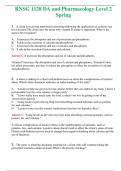
RNSG 1128 DA and Pharmacology Level 2 Spring 1. A client is receiving nutritional counseling following the application of a plaster cast for a fracture.The client asks the nurse why vitamin D intake is important. What is the nurse's best response? A. It increases the absorption and use of potassium and phosphorus. B. It aids in the excretion of calcium and phosphorus. C. It increases the absorption and use of calcium and phosphorus. D. It aids in the excretion of potassium and calcium.: Answer C. It increases the absorption and use of calcium and phosphorus. Vitamin D increases the absorption and use of calcium and phosphorus. Vitamin D does not affect potassium, nor does it reduce the absorption or affect the excretion of calcium and phosphorus. 2. A nurse is talking to a client with bulimia nervosa about the complications of laxative abuse. Which client statement indicates an understanding of the risks? A. "Laxatives help me get rid of extra calories before they are added to my body. I know I just shouldn't eat the extra calories to begin with." B. "I don't really have much taste for food, so there's no loss in getting it out of my system more quickly." C. "Using laxatives prevents my body from absorbing essential nutrients, such as protein, fat, and calcium." D. "Laxatives are over-the-counter medications that have no harmful effect." - Answer C. "Using laxatives prevents my body from absorbing essential nutrients, such as protein, fat, and calcium." A serious complication of laxative abuse is the malabsorption of nutrients, such as proteins, fats, and calcium. Laxative abuse doesn't tend to affect the client's sense of taste. Clients with bulimia nervosa need to change their negative thinking about calories and the use of laxatives. 3. The nurse is planning discharge teaching for a client who will continue taking the prescribed warfarin sodium at home. What is the priority teaching? A. Take the medication at 9 am daily B. Dietary restrictions include tomatoes and cucumbers C. Injections may be given in the abdomen D. Avoid injury and watch for signs of bleeding: Answer D. Avoid injury and watch for signs of bleeding Coumadin is an anticoagulant, so the priority teaching would include watching for signs of hemorrhage and to prevent bleeding. Warfarin is administered orally. The client should have scheduled blood tests for prothrombin time. Consumption of leafy green vegetables should be limited. 4. The nurse instills atropine drops into both eyes for a client undergoing an ophthalmic examination. Which instruction should this client follow until the medication wears off? A. "Avoid wearing your regular glasses when driving." B. "Wear dark glasses in bright light because the pupils are dilated." C. "Use caution because your blink reflex is paralyzed." D. "Be aware that the pupils may be unusually small.": Answer B. "Wear dark glasses in bright light because the pupils are dilated." Atropine, an anticholinergic drug, has mydriatic effects causing pupil dilation. This allows more light onto the retina and may cause photophobia and blurred vision. Atropine doesn't paralyze the blink reflex or cause miosis (pupil constriction). Driving may be contraindicated to blurred vision. 5. What should the nurse teach a client receiving vitamin D therapy for hypoparathyroidism? A. Vitamin D therapy will stabilize potassium levels. B. Vitamin D will cure hypoparathyroidism. C. Vitamin A and C will increase absorption of calcium. D. Vitamin D is taken to increase absorption of calcium.: Answer D. Vitamin D is taken to increase absorption of calcium. A client with hypoparathyroidism has a decreased serum calcium level. Variable doses of vitamin D preparations enhance the absorption of calcium from the gastrointestinal tract. This does not cure the client's hypoparathyroidism. Vitamins A, C, and E are not involved with this process.Vitamin D therapy will not assist in stabilizing potassium. 6. What is the most appropriate action for a nurse to take when administering a new blood pressure medication to a client? A. Inform the client of the new drug only if he asks about it B. Inform the client of the new medication, its name and use, and the reason for the medication C. Administer the medication, and inform the client that the provider will later explain the medication D. Administer the medication to the client without explanation: Answer B. Inform the client of the new medication, its name and use, and the reason for the medication Informing the client of the medication, its use, and the reason for the medication change is important information for the client.Teaching the client about his treatment regimen promotes compliance. The other responses are inappropriate. 7. A client is receiving epoetin alfa. Which findings indicate the effectiveness of the drug? A. Decrease in blood coagulation B. Increase in red blood cells C. Decrease in blood glucose D. Increase in white blood cells: Answer B. Increase in red blood cells Epoetin alfa is a man-made form of the protein human erythropoietin used to lessen the need for red blood cell transfusions. It stimulates the bone marrow to produce more red blood cells. The drug is used to treat anemia caused by chronic kidney disease, chemotherapy, and zidovudine, which is a drug used to treat HIV infection. The drug does not affect white blood cells or coagulation, nor does it cause blood glucose to decrease. 8. A client with a dependent personality disorder is taking fluoxetine for depression. Which instruction should be included in client teaching? A. Be aware that you will sleep more when taking the medication B. Expect three to four weeks to go by before the medication is effective C. Drink only wine and beer when taking this drug D. Add as-needed doses if depression becomes worse: Answer B. Expect three to four weeks to go by before the medication is effective The client must take the drug for three to four weeks before therapeutic effects are seen. The nurse must caution the client against the use of alcohol, including wine and beer, when taking fluoxetine. The client is to take the drug as prescribed. Additional doses must not be self-administered. Insomnia is a major side effect of fluoxetine. 9. A client, who is withdrawing from alcohol, is being given lorazepam. The client's family asks the nurse about the medication. What is the nurse's best response? A. The lorazepam will reduce the symptoms of withdrawal. B. The lorazepam will make a client forget about symptoms of withdrawal. C. The lorazepam will also help with heart disease. D. Short -term use of lorazepam can lead to dependence.: Answer A. The lorazepam will reduce the symptoms of withdrawal. Lorazepam is a short -acting benzodiazepine usually given for one week to ease the effects of alcohol withdrawal. Long -term use of lorazepam can lead to dependence. The medication isn't given to help forget the experience. Lorazepam isn't used to treat coexisting cardiovascular problems. 10. A five -year-old child, diagnosed with cerebral palsy, has just been pre - scribed oral baclofen.Which assessment finding, by the nurse, would indicate effective drug therapy? A. The child has less frequent seizures. B. The child is better able to concentrate on mental activities. C. The child is exhibiting less spasticity. D. The child no longer sleeps during the daytime.: Answer C. The child is exhibiting less spasticity Baclofen is a skeletal muscle relaxant that is effective in reducing overall spasticity. It is not an anti -seizure drug. Significant side effects of this drug are drowsiness and confusion, so this child would not be sleeping less, nor demonstrating a better ability to concentrate on mental activities. 11. A client who has just received morphine IV for postoperative pain. Which assessment finding should alert a nurse to a potential problem? A. Sleeping but easily aroused B. Blood pressure 90/62 mmHg C. Respiratory rate 8 breaths/min D. Heart rate 124/bpm:
Preview 4 out of 40 pages
Exam (elaborations)
2024 RNSG 1128 DA and Pharmacology Level 2 Spring | Actual Questions and Verified Answers ( Included ) 100% Correct
Preview 4 out of 40 pages
2024 RNSG 1128 DA and Pharmacology Level 2 Spring | Actual Questions and Verified Answers ( Included ) 100% Correct
Content preview
Document information
- Uploaded on
- July 5, 2024
- Number of pages
- 40
- Written in
- 2023/2024
- Type
- Exam (elaborations)
- Contains
- Questions & answers
$10.99
Wrong document? Swap it for free
Within 14 days of purchase and before downloading, you can choose a different document. You can simply spend the amount again.
Written by students who passed
Immediately available after payment
Read online or as PDF

Reputation scores are based on the amount of documents a seller has sold for a fee and the reviews they have received for those documents. There are three levels: Bronze, Silver and Gold. The better the reputation, the more your can rely on the quality of the sellers work.

