NR503 Epidemiology Midterm
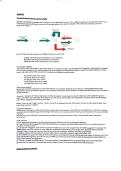
Can you explain what "descriptive epidemiology" means? What is the purpose? How is it used? - Descriptive epidemiology is the first step in any epidemiology investigation or in analyzing any health problem from a research perspective. It is sometimes called the natural history of a disease and begins with defining the differences, similarities, and correlations of key areas of any health problem. This information is gathered in an active surveillance on a case by case basis where each specific persons information is entered into a database. In passive surveillance, this information is pulled from a database. Although you often hear of descriptive epidemiology for outbreaks, this information is gathered on any (acute or chronic) disease over time to track who is at risk. The three key areas of information gathered include person, place, and time. It is needed so that we an change the natural history of disease. How do we improve survival time or quality of life? How do we cure? How do we prevent? All of this rests in epidemiological research. Cases - Refers to individuals who acquire a certain disease or condition. Confounding Variables - occurs when it appears that a true association exists between an exposure and an outcome, but in reality, this association is confounded by another variable or exposure. Determinants of health - the range of personal, social, economic, and environmental factors that influence health status Epidemiological Triangle - The relationship between risk factors and disease is complex. Research studies may describe a relationship between a risk factor and disease, but how do we know this relationship is causal? An understanding of causation is important if APRNs want to effectively impact the health of populations. The epidemiological triangle is a model that has historically been used to explain causation. The model consists of three interactive factors: the causative agent (those factors for which presence or absence cause disease—biologic, chemical, physical, nutritional), a susceptible host (such things as age, gender, race, immune status, genetics), and the environment (including such diverse elements as water, food, neighborhood, pollution). A change in the agent, host, and environmental balance can lead to disease (Harkness, 1995). The underlying assumptions of this model are that causative factors can be both intrinsic and extrinsic to the host and that the cause of disease is related to interaction among these three factors. This model initially was developed to explain the transmission of infectious diseases and was particularly useful when the focus of epidemiology was on acute diseases. It is less helpful for understanding and explaining the more complicated processes associated with chronic disease. With the rise of chronic diseases as the primary cause of morbidity and mortality, a model that recognizes multiple causative factors was needed to better understand this complex interaction.
École, étude et sujet
- Établissement
- NR503 Epidemiology M
- Cours
- NR503 Epidemiology M
Infos sur le Document
- Publié le
- 17 juin 2024
- Nombre de pages
- 7
- Écrit en
- 2023/2024
- Type
- Examen
- Contient
- Questions et réponses
Sujets
-
nr503 epidemiology midterm