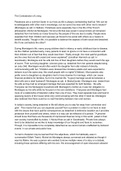
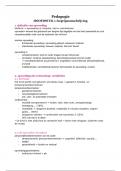
HSC PDHPE SYLLABUS FULLY SOLVED & UPDATED (VERIFIED FOR ACCURACY)
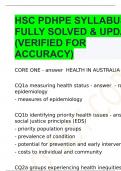
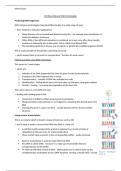
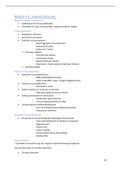
CORE ONE HEALTH IN AUSTRALIA CQ1a measuring health status - role of epidemiology - measures of epidemiology CQ1b identifying priority health issues - social justice principles (EDS) - priority population groups - prevalence of condition - potential for prevention and early intervention - costs to individual and community CQ2a groups experiencing health inequities - ATSI - the elderly (nature + extent, sociocultural/economic/environ, role of individs, comms, gov) CQ2b high levels of preventable chronic disease, injury, and mental health problems - cardiovascular disease - cancer (skin, breast, lung) - diabetes CQ2c a growing and ageing population - healthy ageing - increased population living with a chronic disease and disability - demand for health services and workforce shortages - availability of carers and volunteers CQ3a health care in australia - range and types of health facilities and services - responsibility for health facilities and services - equity and access to health facilities and services - health care expenditure vs expenditure on early intervention and prevention - impact of emerging new treatments and technologies on health care, eg; cost and access, benefits of early detection - health insurance: medicare and private CQ3b complementary and alternative health care approaches - reasons for growth of complementary and alternative health products and services - range of products and services available - how to make informed consumer choices CQ4a health promotion based on the five action areas of the ottawa charter - levels of responsibility for health promotion - the benefits of partnerships in health promotion (gov sector/non gov agencies/local comm) - how health promotion based on the ottawa charter promotes social justice - the ottawa charter in action CORE TWO factors affecting performance CQ1a energy systems/pathways - alactacid system (ATP/PC) - lactic acid system - areobic system CQ1b types of training and training methods - areobic (continuous, fartlek, areobic/long interval, circuit) - anaerobic (anaerobic interval) - flexibility (static, ballistic, pnf, dynamic) - strength (free/fixed weights, elastic, hydraulic) CQ1c principles of training - progressive overload - specificity - reversibility - variety - training thresholds - warm up + cool down CQ1d physiological adaptations in response to training - resting heart rate - stroke volume n cardiac output - oxygen uptake and lung capacity - haemoglobin level - muscle hypertrophy - effect on fast/slow twitch muscle fibres CQ2a motivation - positive and negative - intrinsic and extrinsic CQ2b anxiety and arousal - trait and state - sources of stress - optimum arousal CQ2c psychological strategies to enhance motivation and manage anxiety - concentration/attention skills (focusing) - mental rehearsal/visualisation/imagery - relaxation techniques - goal setting CQ3a nutritional considerations - pre performance (carb loading) - during performance - post performance CQ3b supplementation - vitamins/minerals - protein - caffeine - creatine products CQ3c recovery strategies - physiological strategies (cool down, hydration) - neural strategies (hydrotherapy, massage) - tissue damage strategies (cryotherapy) - psychological strategies (physiotherapy) CQ4a stages of skill acquisition - cognitive - associative - autonomous CQ4b characteristics of the learner - personality - heredity - confidence - prior experience - ability CQ4c the learning environment - nature of the skill (open/closed, gross/fine, discrete/serial/continuous, self/externally paced) - performance elements (decision making, strategic/tactical development) - practice method (massed, distributed, whole, part) - feedback (internal/external, concurrent/delayed, knowledge of results/performance CQ4d assessment of skill and performance - characteristics of skilled performance (kinaesthetic sense, anticipation, consistency, technique) - objective and subjective performance measures - validity and reliability of tests - personal versus prescribed judging criteria OPTION 3 Sports Med CQ1a ways to classify sports injury - direct and indirect - soft and hard tissue - overuse CQ1b soft tissue injuries - tears, sprains, strains - skin abrasions, lacerations, blisters - inflammatory response CQ1c hard tissue injuries - fractures - dislocations CQ1d assessment of injuries - TOTAOPS CQ2a children and young athletes - medical conditions (asthma, diabetes, epilepsy) - overuse injuries (stress fractures) - thermoregulation - appropriateness of resistance training CQ2b adult and aged athletes - heart conditions - fractures/bone density - flexibility/joint mobility
Geschreven voor
- Instelling
- HSC PDHPE
- Vak
- HSC PDHPE
Documentinformatie
- Geüpload op
- 5 juni 2024
- Aantal pagina's
- 10
- Geschreven in
- 2023/2024
- Type
- Tentamen (uitwerkingen)
- Bevat
- Vragen en antwoorden
Onderwerpen
-
hsc pdhpe syllabus fully solved updated

Ook beschikbaar in voordeelbundel