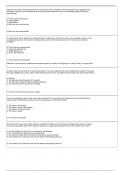
A 68-year-old client in the hospital with a chronic illness is 25% overweight. This client refuses to eat vegetables and
continues to ask for food to be delivered from the local pizza restaurant. Which of the following might this client be
experiencing?
a. Protein-calorie malnutrition
b. Undernutrition
c. Overnutrition
d. Both over and undernutrition
d. Both over and undernutrition
An obese client with an alteration in nutritional status is being seen in the clinic for poor wound healing. To gain a more
comprehensive picture of this client's nutritional status, which of the following tools can the nurse ask the client to
complete?
a. Food frequency questionnaire
b. Seven-day day food log
c. CAGE assessment
d. Three- day diet recall
a. Food frequency questionnaire
Rationale: A food frequency questionnaire assesses intake of a variety of food groups on a daily, weekly, or longer basis.
A client comes into the clinic for a routine examination. The nurse measures this client's weight at 231 pounds. Previously
this client weighed 247 pounds. Which of the following can the nurse accurately document about this assessment finding?
a. Nothing.
b. The client has lost 6.9 percent of his weight.
c. The client has a health condition causing weight loss.
d. The client has lost 6.5 percent of his weight.
d. The client has lost 6.5 percent of his weight.
The nurse calculates a client's body mass index as being 25.2. According to the Classification of Body Mass Index in
Adults, which of the following can the nurse accurately document about this finding?
a. This client is overweight.
b. This client is mildly malnourished.
c. This client is of normal weight.
d. This client is obese.
a. This client is overweight.
A client asks the nurse if her weight would be considered a health risk. According to the height-weight table, the client is
10 pounds overweight. Which of the following would be an appropriate response for the nurse to make to this client?
a. Yes, this weight puts you at risk for developing heart disease.
b. No, 10 pounds are nothing to be concerned about.
c. Yes, and you should diet to lose those 10 pounds as soon as possible.
d. Let's measure your waist size and use the calipers before figuring that out.
d. Let's measure your waist size and use the calipers before figuring that out.
continues to ask for food to be delivered from the local pizza restaurant. Which of the following might this client be
experiencing?
a. Protein-calorie malnutrition
b. Undernutrition
c. Overnutrition
d. Both over and undernutrition
d. Both over and undernutrition
An obese client with an alteration in nutritional status is being seen in the clinic for poor wound healing. To gain a more
comprehensive picture of this client's nutritional status, which of the following tools can the nurse ask the client to
complete?
a. Food frequency questionnaire
b. Seven-day day food log
c. CAGE assessment
d. Three- day diet recall
a. Food frequency questionnaire
Rationale: A food frequency questionnaire assesses intake of a variety of food groups on a daily, weekly, or longer basis.
A client comes into the clinic for a routine examination. The nurse measures this client's weight at 231 pounds. Previously
this client weighed 247 pounds. Which of the following can the nurse accurately document about this assessment finding?
a. Nothing.
b. The client has lost 6.9 percent of his weight.
c. The client has a health condition causing weight loss.
d. The client has lost 6.5 percent of his weight.
d. The client has lost 6.5 percent of his weight.
The nurse calculates a client's body mass index as being 25.2. According to the Classification of Body Mass Index in
Adults, which of the following can the nurse accurately document about this finding?
a. This client is overweight.
b. This client is mildly malnourished.
c. This client is of normal weight.
d. This client is obese.
a. This client is overweight.
A client asks the nurse if her weight would be considered a health risk. According to the height-weight table, the client is
10 pounds overweight. Which of the following would be an appropriate response for the nurse to make to this client?
a. Yes, this weight puts you at risk for developing heart disease.
b. No, 10 pounds are nothing to be concerned about.
c. Yes, and you should diet to lose those 10 pounds as soon as possible.
d. Let's measure your waist size and use the calipers before figuring that out.
d. Let's measure your waist size and use the calipers before figuring that out.