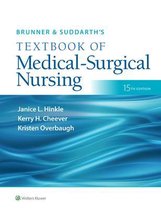
Test Bank - Brunner Suddarth Medical Surgical Nursing (15th by Hinkle) 1
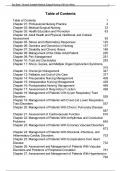
Table of Contents
Table of Contents 1
Chapter 01: Professional Nursing Practice 4
Chapter 02: Medical-Surgical Nursing 33
Chapter 03: Health Education and Promotion 63
Chapter 04: Adult Health and Physical, Nutritional, and Cultural
Assessment 93
Chapter 05: Stress and Inflammatory Responses 125
Chapter 06: Genetics and Genomics in Nursing 157
Chapter 07: Disability and Chronic Illness 189
Chapter 08: Management of the Older Adult Patient 220
Chapter 09: Pain Management 251
Chapter 10: Fluid and Electrolytes 283
N
Chapter 11: Shock, Sepsis, and Multiple Organ Dysfunction Syndrome
315
ur
Chapter 12: Oncologic Management 347
Chapter 13: Palliative and End-of-Life Care 377
Chapter 14: Preoperative Nursing Management 408
se
Chapter 15: Intraoperative Nursing Management 439
Chapter 16: Postoperative Nursing Management 468
Chapter 17: Assessment of Respiratory Function 499
Chapter 18: Management of Patients With Upper Respiratory Tract
do
Disorders 528
Chapter 19: Management of Patients with Chest and Lower Respiratory
Tract Disorders 557
Chapter 20: Management of Patients With Chronic Pulmonary Disease
cs
587
Chapter 21: Assessment of Cardiovascular Function 616
Chapter 22: Management of Patients With Arrhythmias and Conduction
Problems 645
Chapter 23: Management of Patients With Coronary Vascular Disorders
673
Chapter 24: Management of Patients With Structural, Infectious, and
Inflammatory Cardiac Disorders 703
Chapter 25: Management of Patients With Complications from Heart
Disease 732
Chapter 26: Assessment and Management of Patients With Vascular
Disorders and Problems of Peripheral Circulation 761
Chapter 27: Assessment and Management of Patients With Hypertension
792
,Test Bank - Brunner Suddarth Medical Surgical Nursing (15th by Hinkle) 2
Chapter 28: Assessment of Hematologic Function and Treatment
Modalities 822
Chapter 29: Management of Patients With Nonmalignant Hematologic
Disorders 851
Chapter 30: Management of Patients With Hematologic Neoplasms 880
Chapter 31: Assessment of Immune Function 909
Chapter 32: Management of Patients With Immune Deficiency Disorders
937
Chapter 33: Assessment and Management of Patients With Allergic
Disorders 966
Chapter 34: Assessment and Management of Patients With Inflammatory
Rheumatic Disorders 995
Chapter 35: Assessment of Musculoskeletal Function 1024
Chapter 36: Management of Patients With Musculoskeletal Disorders
N
1052
Chapter 37: Management of Patients With Musculoskeletal Trauma 1081
Chapter 38: Assessment of Digestive and Gastrointestinal Function
ur
1110
Chapter 39: Management of Patients with Oral and Esophageal Disorders
1139
se
Chapter 40: Management of Patients with Gastric and Duodenal Disorders
1169
Chapter 41: Management of Patients With Intestinal and Rectal Disorders
do
1198
Chapter 42: Assessment and Management of Patients with Obesity 1227
Chapter 43: Assessment and Management of Patients with Hepatic
Disorders 1242
cs
Chapter 44: Assessment and Management of Patients with Biliary
Disorders 1271
Chapter 45: Assessment and Management of Patients with Endocrine
Disorders 1300
Chapter 46: Assessment and Management of Patients with Diabetes
1329
Chapter 47: Assessment of Kidney and Urinary Function 1359
Chapter 48: Management of Patients with Kidney Disorders 1388
Chapter 49: Management of Patients with Urinary Disorders 1418
Chapter 50: Assessment and Management of Patients With Female
Physiologic Processes 1450
Chapter 51: Management of Patients with Female Reproductive Disorders
1479
Chapter 52: Assessment and Management of Patients with Breast
,Test Bank - Brunner Suddarth Medical Surgical Nursing (15th by Hinkle) 3
Disorders 1509
Chapter 53: Assessment and Management of Patients With Male
Reproductive Disorders 1539
Chapter 54: Assessment and Management of Patients Who Are LGBTQ
1569
Chapter 55: Assessment of Integumentary Function 1575
Chapter 56: Managements of Patients with Dermatologic Problems 1603
Chapter 57: Managements of Patients with Burn Injury 1632
Chapter 58: Assessment and Management of Patients with Eye and Vision
Disorders 1661
Chapter 59: Assessment and Management of Patients with Hearing and
Balance Disorders 1690
Chapter 60: Assessment of Neurologic Function 1719
Chapter 61: Management of Patients with Neurologic Dysfunction 1748
N
Chapter 62: Management of Patients with Cerebrovascular Disorders
1777
ur
Chapter 63: Management of Patients with Neurologic Trauma 1807
Chapter 64: Management of Patients with Neurologic Infections,
Autoimmune Disorders, and Neuropathies 1836
Chapter 65: Management of Patients With Oncologic or Degenerative
se
Neurologic Disorders 1865
Chapter 66: Management of Patients With Infectious Diseases 1894
Chapter 67: Emergency Nursing 1923
do
Chapter 68: Disaster Nursing 1952
cs
, Test Bank - Brunner Suddarth Medical Surgical Nursing (15th by Hinkle) 4
Chapter 01: Professional Nursing Practice
1. The public health nurse is presenting a health promotion class to a group of new
mothers. How should the nurse best define health?
A) Health is being disease free.
B) Health is having fulfillment in all domains of life.
N
C) Health is having psychological and physiological harmony.
ur
D) Health is being connected in body, mind, and spirit.
se
Ans: D
do
Feedback:
The World Health Organization (WHO) defines health in the preamble to its
constitution as a state of complete physical, mental, and social well-being and not
cs
merely the absence of disease and infirmity. The other answers are incorrect
because they are not congruent with the WHO definition of health.
2. A nurse is speaking to a group of prospective nursing students about what it is like to
be a nurse. What is one characteristic the nurse would cite as necessary to possess to
be an effective nurse?
A) Sensitivity to cultural differences
B) Team-focused approach to problem-solving
Table of Contents
Table of Contents 1
Chapter 01: Professional Nursing Practice 4
Chapter 02: Medical-Surgical Nursing 33
Chapter 03: Health Education and Promotion 63
Chapter 04: Adult Health and Physical, Nutritional, and Cultural
Assessment 93
Chapter 05: Stress and Inflammatory Responses 125
Chapter 06: Genetics and Genomics in Nursing 157
Chapter 07: Disability and Chronic Illness 189
Chapter 08: Management of the Older Adult Patient 220
Chapter 09: Pain Management 251
Chapter 10: Fluid and Electrolytes 283
N
Chapter 11: Shock, Sepsis, and Multiple Organ Dysfunction Syndrome
315
ur
Chapter 12: Oncologic Management 347
Chapter 13: Palliative and End-of-Life Care 377
Chapter 14: Preoperative Nursing Management 408
se
Chapter 15: Intraoperative Nursing Management 439
Chapter 16: Postoperative Nursing Management 468
Chapter 17: Assessment of Respiratory Function 499
Chapter 18: Management of Patients With Upper Respiratory Tract
do
Disorders 528
Chapter 19: Management of Patients with Chest and Lower Respiratory
Tract Disorders 557
Chapter 20: Management of Patients With Chronic Pulmonary Disease
cs
587
Chapter 21: Assessment of Cardiovascular Function 616
Chapter 22: Management of Patients With Arrhythmias and Conduction
Problems 645
Chapter 23: Management of Patients With Coronary Vascular Disorders
673
Chapter 24: Management of Patients With Structural, Infectious, and
Inflammatory Cardiac Disorders 703
Chapter 25: Management of Patients With Complications from Heart
Disease 732
Chapter 26: Assessment and Management of Patients With Vascular
Disorders and Problems of Peripheral Circulation 761
Chapter 27: Assessment and Management of Patients With Hypertension
792
,Test Bank - Brunner Suddarth Medical Surgical Nursing (15th by Hinkle) 2
Chapter 28: Assessment of Hematologic Function and Treatment
Modalities 822
Chapter 29: Management of Patients With Nonmalignant Hematologic
Disorders 851
Chapter 30: Management of Patients With Hematologic Neoplasms 880
Chapter 31: Assessment of Immune Function 909
Chapter 32: Management of Patients With Immune Deficiency Disorders
937
Chapter 33: Assessment and Management of Patients With Allergic
Disorders 966
Chapter 34: Assessment and Management of Patients With Inflammatory
Rheumatic Disorders 995
Chapter 35: Assessment of Musculoskeletal Function 1024
Chapter 36: Management of Patients With Musculoskeletal Disorders
N
1052
Chapter 37: Management of Patients With Musculoskeletal Trauma 1081
Chapter 38: Assessment of Digestive and Gastrointestinal Function
ur
1110
Chapter 39: Management of Patients with Oral and Esophageal Disorders
1139
se
Chapter 40: Management of Patients with Gastric and Duodenal Disorders
1169
Chapter 41: Management of Patients With Intestinal and Rectal Disorders
do
1198
Chapter 42: Assessment and Management of Patients with Obesity 1227
Chapter 43: Assessment and Management of Patients with Hepatic
Disorders 1242
cs
Chapter 44: Assessment and Management of Patients with Biliary
Disorders 1271
Chapter 45: Assessment and Management of Patients with Endocrine
Disorders 1300
Chapter 46: Assessment and Management of Patients with Diabetes
1329
Chapter 47: Assessment of Kidney and Urinary Function 1359
Chapter 48: Management of Patients with Kidney Disorders 1388
Chapter 49: Management of Patients with Urinary Disorders 1418
Chapter 50: Assessment and Management of Patients With Female
Physiologic Processes 1450
Chapter 51: Management of Patients with Female Reproductive Disorders
1479
Chapter 52: Assessment and Management of Patients with Breast
,Test Bank - Brunner Suddarth Medical Surgical Nursing (15th by Hinkle) 3
Disorders 1509
Chapter 53: Assessment and Management of Patients With Male
Reproductive Disorders 1539
Chapter 54: Assessment and Management of Patients Who Are LGBTQ
1569
Chapter 55: Assessment of Integumentary Function 1575
Chapter 56: Managements of Patients with Dermatologic Problems 1603
Chapter 57: Managements of Patients with Burn Injury 1632
Chapter 58: Assessment and Management of Patients with Eye and Vision
Disorders 1661
Chapter 59: Assessment and Management of Patients with Hearing and
Balance Disorders 1690
Chapter 60: Assessment of Neurologic Function 1719
Chapter 61: Management of Patients with Neurologic Dysfunction 1748
N
Chapter 62: Management of Patients with Cerebrovascular Disorders
1777
ur
Chapter 63: Management of Patients with Neurologic Trauma 1807
Chapter 64: Management of Patients with Neurologic Infections,
Autoimmune Disorders, and Neuropathies 1836
Chapter 65: Management of Patients With Oncologic or Degenerative
se
Neurologic Disorders 1865
Chapter 66: Management of Patients With Infectious Diseases 1894
Chapter 67: Emergency Nursing 1923
do
Chapter 68: Disaster Nursing 1952
cs
, Test Bank - Brunner Suddarth Medical Surgical Nursing (15th by Hinkle) 4
Chapter 01: Professional Nursing Practice
1. The public health nurse is presenting a health promotion class to a group of new
mothers. How should the nurse best define health?
A) Health is being disease free.
B) Health is having fulfillment in all domains of life.
N
C) Health is having psychological and physiological harmony.
ur
D) Health is being connected in body, mind, and spirit.
se
Ans: D
do
Feedback:
The World Health Organization (WHO) defines health in the preamble to its
constitution as a state of complete physical, mental, and social well-being and not
cs
merely the absence of disease and infirmity. The other answers are incorrect
because they are not congruent with the WHO definition of health.
2. A nurse is speaking to a group of prospective nursing students about what it is like to
be a nurse. What is one characteristic the nurse would cite as necessary to possess to
be an effective nurse?
A) Sensitivity to cultural differences
B) Team-focused approach to problem-solving