AICE Marine science chapter 13-14 study guide guaranteed success
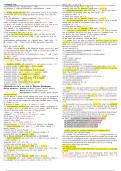
AICE Marine science chapter 13-14 study guide guaranteed success Conservation 1. The protection of natural resources and of the environment/habitat. 2. Preventing extinction so that they are available for future generations. Ecotourism Tourism based on the appreciation of the natural environment. State what is meant by a stakeholder. Name some examples. 1. A person/industry with an invested interest in the marine environment. (commercial or ecological) 2. Hotel owner, fisherman, aquaculture company, towns people, etc. Discuss the economic impacts of building a desalination plant in a coastal area. [2] 1. High start up costs (100's of millions of dollars) 2. High energy demand (fossil fuels) 3. Increased employment for area 4. Loss of tourism , impacts economy Describe 2 ways in which untreated waste water/sewage is a danger to the marine environment. 1. Nitrates & phosphates (detergents) can lead to eutrophication = less oxygen when algae is decomposed 2. Some algae is toxic and accumulate in the tissues of organisms and biomagnify up the food chain 3. Suspended organic matter blocks light penetration = less productivity = less oxygen 4. Microorganisms in sewage can spread disease/viruses to shellfish/fish/humans Discuss the ecological impacts of building a desalination plant in a coastal area. [4] 1. Inflow into pipes sucks up plankton community, resulting in death of organisms....... 2. Impacts food web/predator-prey relationships 3. Brine released to ocean sinks and impacts/kills osmoconformers 4. Water drawn out of body due to osmosis 5. Increased turbidity = less productivity/oxygen 6. Toxic metals can leach from pipes and biomagnify up food chain 7. Less oxygen in water (less soluble in warmer water) Explain the negative ecological impacts of agriculture on the marine environment. [4] 1. Fertilizer (nitrates & phosphate) runoff = eutrophication 2. Algae blooms can be toxic (e.g.- red tide) = organism death 3. Decomposition = less oxygen/not enough to meet respiration needs = less biodiversity. Dead zones/hypoxic zones/anoxic zones 4. Pesticides released can biomagnify toxins up food chain 5. Herbicides can kill producers Outline the effects of the accumulation of a named toxin in marine food chains. [4] 1. Hg (neurotoxin)/TBT (imposex in bivalves)/other named toxin....isn't broken down 2. Uptaken into the food chain by producers 3. Many producers are consumed by primary consumers who now have the toxin = bioaccumulation of toxins in tissue of consumers 4. Concentration of the toxin increases with each trophic level (biomagnification), with top consum
Geschreven voor
- Instelling
- AICE Marine science chapter 13-14 study
- Vak
- AICE Marine science chapter 13-14 study
Documentinformatie
- Geüpload op
- 3 april 2024
- Aantal pagina's
- 4
- Geschreven in
- 2023/2024
- Type
- Tentamen (uitwerkingen)
- Bevat
- Vragen en antwoorden
Onderwerpen
-
aice marine science chapter 13 14 study guide guar

Ook beschikbaar in voordeelbundel