
OBS 114
23 April 2023 12:31
CHAPTER 5: MANAGING IN A MULTICULTURAL ENVIONMENT
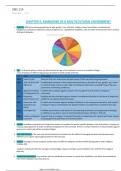
• Diversity-differences among people due to age, gender, race, ethnicity, religion, sexual orientation, socioeconomic
background, education, experience, physical appearance, capabilities/ disabilities, and any other characteristic that is used to
distinguish between.
1. Age-is a diversity where it does not discriminate the age of an employee or else it is considered illegal.
-each employee of different age groups should be treated equally and fairly.
Year Law Description
1963 Equal Pay Act Requires that men and women be paid equally if they are performing equal work.
1964 Title VII of the Civil Prohibits discrimination in the employment decisions on the basis of race, gender, sex, colour
Rights Act or national origin; covers a wide range of employment decisions, including hiring, firing, pay,
promotion and working conditions.
1967 Age Discrimination Prohibits discrimination against workers over the age of 40 and restricts mandatory
in Employment Act retirement.
1978 Pregnancy Prohibits the discrimination against women in employment decision on the basis of pregnancy,
Discrimination Act childbirth and related medical decisions.
1990 Americans with Prohibits discrimination against disabled individuals in the employment decisions and requires
Disabilities Act employers make accommodation for disabled workers to enable them to perform their jobs.
(ADA)
1991 Civil Rights Act Prohibits discrimination and allows for the awarding of punitive and compensatory damages,
in addition to pay back in case of intentional discrimination (similar to Title VII).
1993 Family and Medical Requires that an employer is provided 12 weeks of unpaid leave for medical and family reasons
Leave Act including paternity and illness of a family member.
2. Gender-nowadays companies are hiring more women to equalise the gender equality between men and women. Companies
now pay equal payment to male and female employees for the same job. If there is unfair treatment or discrimination against
women in a male's job will be considered illegal.
3. Race and Ethnicity-if the race and ethnicity diversity increases than the effect of managing increases too because every
different race is given equal opportunities for the same job.
4. Religion-managers should recognise and be aware of different religions and their beliefs (being paid to when religious
holidays fall).
-loyalty is enhanced when the managers acknowledge, respect and make accommodation here and there for religious
diversity.
5. Capabilities/Disabilities-most workers who are disabled are hesitant to reveal their disabilities and claim accommodation
from their employers that they deserve.
-however, some people abuse the ADA by trying to find unnecessary accommodations for disabilities that do not exist and
OBS 114 CHAPTER 5 Page 1
23 April 2023 12:31
CHAPTER 5: MANAGING IN A MULTICULTURAL ENVIONMENT
• Diversity-differences among people due to age, gender, race, ethnicity, religion, sexual orientation, socioeconomic
background, education, experience, physical appearance, capabilities/ disabilities, and any other characteristic that is used to
distinguish between.
1. Age-is a diversity where it does not discriminate the age of an employee or else it is considered illegal.
-each employee of different age groups should be treated equally and fairly.
Year Law Description
1963 Equal Pay Act Requires that men and women be paid equally if they are performing equal work.
1964 Title VII of the Civil Prohibits discrimination in the employment decisions on the basis of race, gender, sex, colour
Rights Act or national origin; covers a wide range of employment decisions, including hiring, firing, pay,
promotion and working conditions.
1967 Age Discrimination Prohibits discrimination against workers over the age of 40 and restricts mandatory
in Employment Act retirement.
1978 Pregnancy Prohibits the discrimination against women in employment decision on the basis of pregnancy,
Discrimination Act childbirth and related medical decisions.
1990 Americans with Prohibits discrimination against disabled individuals in the employment decisions and requires
Disabilities Act employers make accommodation for disabled workers to enable them to perform their jobs.
(ADA)
1991 Civil Rights Act Prohibits discrimination and allows for the awarding of punitive and compensatory damages,
in addition to pay back in case of intentional discrimination (similar to Title VII).
1993 Family and Medical Requires that an employer is provided 12 weeks of unpaid leave for medical and family reasons
Leave Act including paternity and illness of a family member.
2. Gender-nowadays companies are hiring more women to equalise the gender equality between men and women. Companies
now pay equal payment to male and female employees for the same job. If there is unfair treatment or discrimination against
women in a male's job will be considered illegal.
3. Race and Ethnicity-if the race and ethnicity diversity increases than the effect of managing increases too because every
different race is given equal opportunities for the same job.
4. Religion-managers should recognise and be aware of different religions and their beliefs (being paid to when religious
holidays fall).
-loyalty is enhanced when the managers acknowledge, respect and make accommodation here and there for religious
diversity.
5. Capabilities/Disabilities-most workers who are disabled are hesitant to reveal their disabilities and claim accommodation
from their employers that they deserve.
-however, some people abuse the ADA by trying to find unnecessary accommodations for disabilities that do not exist and
OBS 114 CHAPTER 5 Page 1


