

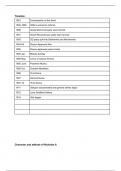
Timeline:
1861 Emancipation of the Serfs
1894-1906 Witte’s economic reforms
1898 Social Democrat party were formed
1901 Social Revolutionary party were formed
1903 SD party split into Bolsheviks and Mensheviks
1904-05 Russo-Japanese War
1905 Russo-Japanese peace treaty
1905 Jan Bloody Sunday
1905 May Union of Unions formed
1905 June Potemkin Mutiny
1905 Oct October Manifesto
1906 First Duma
1907 Second Duma
1907-12 Third Duma
1911 Stolypin assassinated and general strikes begin
1912 Lena Goldfield Strikes
1914 War began
Character and attitude of Nicholas II:
,● Nationalist who loved Russia
● Charming and simple
● Conservative
● Deeply religious
● Determined and dominant father but a less assertive successor
● Weak of will and immature
● “He found the daily work of a monarch intolerably boring. He could not stand listening long
or seriously ministers’ reports, or reading them” - Kerensky
Abilities of Nicholas II:
● He had little experience with the government and was incapable of exercising power
● “Nicholas II was unfit to run a village post office” - Cabinet Minister
● “Relied excessively on the advice of aristocratic elites and religious prelates and never had
an opinion of his own” - Trotsky
Nicholas II’s policies- Russification:
● Restricted the influence of non-Russian national minorities within the empire
● Aim was to impose Russian ways and values on all people within the empire
● Russian was declared as the official language causing all legal proceedings to be performed
in Russia which led to the closing of public offices as they weren’t fluent
● Discrimnation
● Policies against the Jews
● Result was that the policy alienated half of Russia’s population leading to anti-tsarist
minorities forming across the empire
● Many joined political parties because of this hatred that had formed
Witte’s policies in 1890:
● The industry grew so quickly because of the output of coal, the term “The Great Spurt” was
used
● Witte thought Russia needed to raise capital so he:
● Negotiated loans from abroad
● Set up protective tariffs as a means of protecting Russia’s domestic industries e.g steel
● Most of the capital was invested in the railway system as Witte hoped it would boost
exports and foreign trade
Positive outcomes Negative outcomes
● Urbanisation working class reached 11 million ● Made Russia too dependant on foreign loans
people ● Paid no attention to agriculture
● State capitalism increased as coal production ● Growth figures are not as impressive as
increased from 5.9 tonnes in 1881 to 35.4 in there was a huge increase in population
1913 ● Witte was focused on funding the military
● Private enterprise instead of the population because better
● Growth of railways in 1881 there were 13,270 industry means better guns, equipment and
miles of railway tracks and in 1913 there were ships
44,000
, ● Russia became the 4th largest economy as the
economy increased at 8% per annum in 1990
Political problems in 1894:
● Tsar was an absolute ruler with autocratic and unlimited power that was chosen by God
● There were three official bodies of authority: imperial council, cabinet of ministers, the
Senate. These bodies were appointed, not elected and they did not govern but merely give
advice as they had no authority over the tsar, whose word was final in all governmental and
legal matters
● Other Western countries had a form of democratic or representative government yet Russia
was following a backward political system
● It was a criminal offence to oppose the tsar or his government so supporters of reform had
to go underground
● The secret police, Okhrana monitored the public’s opinion
● There was no parliament. Even though there were political parties that existed they had no
legal right to exist
● Censorship was imposed on published books and journals so the denial of free speech
tended to drive political activists towards extremism
● Used the army to suppress opposition
Economic problems in 1894:
● Country’s economy was agriculture-dominated
● Inefficient agricultural economy struggled to feed the rapidly growing population, let alone
provide the government with any surplus for national security
● Land hunger, low income, debt and starvation was liable to lead to uprisings and revolts
which threatened the stability of the tsarist regime
● Backwards economy. Country needs to modernise and industrialise in order to compete with
the other superpowers; a strong industrial economy was essential to remain an important
military power
● There was an absence of an effective banking system
● Russia could not raise the capital as it failed to borrow and invest successfully
● 82% (⅘) of the population were peasants that worked agriculture
● The difference in size between the peasantry and working class showed Russia’s slow
economic development. The small numbers of working class showed that Russia had not
achieved industrial growth
● Their land was too far north to enjoy a climate or a soil suitable for crop-growing or cattle-
rearing
● Maintaining the army and navy accounted for 45% of the government’s annual expenditure
Social problems in 1894:
● Russia covered over 8 million square miles and covered a large part of two continents
● Greater part of the population increased from 40million to 160million from 1815 to 1914
1861 Emancipation of the Serfs
1894-1906 Witte’s economic reforms
1898 Social Democrat party were formed
1901 Social Revolutionary party were formed
1903 SD party split into Bolsheviks and Mensheviks
1904-05 Russo-Japanese War
1905 Russo-Japanese peace treaty
1905 Jan Bloody Sunday
1905 May Union of Unions formed
1905 June Potemkin Mutiny
1905 Oct October Manifesto
1906 First Duma
1907 Second Duma
1907-12 Third Duma
1911 Stolypin assassinated and general strikes begin
1912 Lena Goldfield Strikes
1914 War began
Character and attitude of Nicholas II:
,● Nationalist who loved Russia
● Charming and simple
● Conservative
● Deeply religious
● Determined and dominant father but a less assertive successor
● Weak of will and immature
● “He found the daily work of a monarch intolerably boring. He could not stand listening long
or seriously ministers’ reports, or reading them” - Kerensky
Abilities of Nicholas II:
● He had little experience with the government and was incapable of exercising power
● “Nicholas II was unfit to run a village post office” - Cabinet Minister
● “Relied excessively on the advice of aristocratic elites and religious prelates and never had
an opinion of his own” - Trotsky
Nicholas II’s policies- Russification:
● Restricted the influence of non-Russian national minorities within the empire
● Aim was to impose Russian ways and values on all people within the empire
● Russian was declared as the official language causing all legal proceedings to be performed
in Russia which led to the closing of public offices as they weren’t fluent
● Discrimnation
● Policies against the Jews
● Result was that the policy alienated half of Russia’s population leading to anti-tsarist
minorities forming across the empire
● Many joined political parties because of this hatred that had formed
Witte’s policies in 1890:
● The industry grew so quickly because of the output of coal, the term “The Great Spurt” was
used
● Witte thought Russia needed to raise capital so he:
● Negotiated loans from abroad
● Set up protective tariffs as a means of protecting Russia’s domestic industries e.g steel
● Most of the capital was invested in the railway system as Witte hoped it would boost
exports and foreign trade
Positive outcomes Negative outcomes
● Urbanisation working class reached 11 million ● Made Russia too dependant on foreign loans
people ● Paid no attention to agriculture
● State capitalism increased as coal production ● Growth figures are not as impressive as
increased from 5.9 tonnes in 1881 to 35.4 in there was a huge increase in population
1913 ● Witte was focused on funding the military
● Private enterprise instead of the population because better
● Growth of railways in 1881 there were 13,270 industry means better guns, equipment and
miles of railway tracks and in 1913 there were ships
44,000
, ● Russia became the 4th largest economy as the
economy increased at 8% per annum in 1990
Political problems in 1894:
● Tsar was an absolute ruler with autocratic and unlimited power that was chosen by God
● There were three official bodies of authority: imperial council, cabinet of ministers, the
Senate. These bodies were appointed, not elected and they did not govern but merely give
advice as they had no authority over the tsar, whose word was final in all governmental and
legal matters
● Other Western countries had a form of democratic or representative government yet Russia
was following a backward political system
● It was a criminal offence to oppose the tsar or his government so supporters of reform had
to go underground
● The secret police, Okhrana monitored the public’s opinion
● There was no parliament. Even though there were political parties that existed they had no
legal right to exist
● Censorship was imposed on published books and journals so the denial of free speech
tended to drive political activists towards extremism
● Used the army to suppress opposition
Economic problems in 1894:
● Country’s economy was agriculture-dominated
● Inefficient agricultural economy struggled to feed the rapidly growing population, let alone
provide the government with any surplus for national security
● Land hunger, low income, debt and starvation was liable to lead to uprisings and revolts
which threatened the stability of the tsarist regime
● Backwards economy. Country needs to modernise and industrialise in order to compete with
the other superpowers; a strong industrial economy was essential to remain an important
military power
● There was an absence of an effective banking system
● Russia could not raise the capital as it failed to borrow and invest successfully
● 82% (⅘) of the population were peasants that worked agriculture
● The difference in size between the peasantry and working class showed Russia’s slow
economic development. The small numbers of working class showed that Russia had not
achieved industrial growth
● Their land was too far north to enjoy a climate or a soil suitable for crop-growing or cattle-
rearing
● Maintaining the army and navy accounted for 45% of the government’s annual expenditure
Social problems in 1894:
● Russia covered over 8 million square miles and covered a large part of two continents
● Greater part of the population increased from 40million to 160million from 1815 to 1914


