Tusaie - Advanced Practice Psychiatric
Nursing
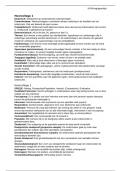
Integrative mental health treatment - ANSProspective, relationship-based, client centered,
holistic approach that focuses on client's priorities for well-being and preventing, managing, and
rehabilitating disease
*broad and comprehensive, rather than reductionist and focused on the effects of a specific
treatment on a specific symptom
*Does not consist of haphazard selection of techniques
*Looks beyond confines of a single perspective
*Clinicians begin developing a conceptual framework that fits for themselves and their clients -
synthesizes several theoretical approaches
*Developing an integrated perspective is a lifelong process that is the produce of a great deal of
study, clinical practice, and theorizing
*Signs and symptoms are interpreted differently across cultures
Rationale for integrated treatment - ANS*Nursing practice is holistic and the phenomena of
interest include not only symptoms but also health risks and promotion
*Underlying holistic theory remains as the foundation for any intervention
*Scope of practice in PMH-APRN is continually expanding in response to the context of
practice, knowledge base evolution, and ongoing need for clients holistic care
*The increasing cost of health care is reaching a level where it will soon not be sustainable
Recovery After an Initial Schizophrenia Episode (RAISE) project - ANSLow-dose medication
Family psychoeducation
Supported education/employment
Individualized resilience training
Other interventions to focus on more than psychotic symptoms and medications
National Institute of Mental Health - ANSResearch Domain Criteria (RDoC) project that may
lead to revolutionary, integrated diagnostics
Psychotherapy and behavior changes - ANSPsychophysiological pathways underlying
symptoms are increasing understood to be nonlinear and multidimensional -
Mechanistic world views - ANSchose conventional medical treatments
Systems view - ANSchose complementary and alternative treatment
thinking patterns, genomes and derivatives - ANSare being used to make treatment decisions
with the expectation of personalized treatment informed by each person's unique information
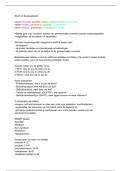
, Holistic thinking - ANSConceptualize symptoms across diagnostic categories
*No objective test to differentiate one diagnosis from another
*signs and symptoms of psychiatric problems overlap
Neurotransmitter pathways - ANSserotonin, dopamine, norepinephrine, glutamate,
gamma-aminobutyric acid
Common neurobiological pathways - ANSNeurotransmitter pathways
Structural abnormalities identified on neuroimaging
Genetic predispositions cross diagnostic categories
Homeostasis - ANSNatural healing powers of the individual
Neuroplasticity - ANSProcess of neuroplasticity, synaptogenesis, dendritic spines, and
neurogenesis, or modification of and individuals brain structure may be the central process for
therapeutic change
Combination of psychotherapy and pharmacotherapy - ANSResulted in more improvement than
expected
Evidence-based practices - ANSMany question the wisdom of evidence
*Circular model would involve a multiplicity of methods, using different designs,
counterbalancing their individual strengths and weaknesses to arrive at a pragmatic but rigorous
evidence base for clinical innovation
*Methods should not be viewed as in terms of intrinsic worth but as valuable in relation to the
question being asked
integrated treatment continuum - ANS*Degree of risk is determined
*Progression to minimal, moderate, and severe level of symptoms
*Interventions begin with health promotion activities - Increasing knowledge, guided self-help
including lifestyle changes, and over-the-counter medication or herbs - Professional
management with formal interventions
*Protocol to ensure safe and effective integration of complementary and alternative approaches
Prejudices against complementary and alternative approaches - ANSApproaches used only by
a few people
Clients do not talk about using these approaches
Only used when conventional approaches fail
They are not effective
Complementary approaches are not professionally respected
Prejudices in favor of complimentary and alternative approaches - ANSThe belief that research
is not needed
Nursing
Integrative mental health treatment - ANSProspective, relationship-based, client centered,
holistic approach that focuses on client's priorities for well-being and preventing, managing, and
rehabilitating disease
*broad and comprehensive, rather than reductionist and focused on the effects of a specific
treatment on a specific symptom
*Does not consist of haphazard selection of techniques
*Looks beyond confines of a single perspective
*Clinicians begin developing a conceptual framework that fits for themselves and their clients -
synthesizes several theoretical approaches
*Developing an integrated perspective is a lifelong process that is the produce of a great deal of
study, clinical practice, and theorizing
*Signs and symptoms are interpreted differently across cultures
Rationale for integrated treatment - ANS*Nursing practice is holistic and the phenomena of
interest include not only symptoms but also health risks and promotion
*Underlying holistic theory remains as the foundation for any intervention
*Scope of practice in PMH-APRN is continually expanding in response to the context of
practice, knowledge base evolution, and ongoing need for clients holistic care
*The increasing cost of health care is reaching a level where it will soon not be sustainable
Recovery After an Initial Schizophrenia Episode (RAISE) project - ANSLow-dose medication
Family psychoeducation
Supported education/employment
Individualized resilience training
Other interventions to focus on more than psychotic symptoms and medications
National Institute of Mental Health - ANSResearch Domain Criteria (RDoC) project that may
lead to revolutionary, integrated diagnostics
Psychotherapy and behavior changes - ANSPsychophysiological pathways underlying
symptoms are increasing understood to be nonlinear and multidimensional -
Mechanistic world views - ANSchose conventional medical treatments
Systems view - ANSchose complementary and alternative treatment
thinking patterns, genomes and derivatives - ANSare being used to make treatment decisions
with the expectation of personalized treatment informed by each person's unique information
, Holistic thinking - ANSConceptualize symptoms across diagnostic categories
*No objective test to differentiate one diagnosis from another
*signs and symptoms of psychiatric problems overlap
Neurotransmitter pathways - ANSserotonin, dopamine, norepinephrine, glutamate,
gamma-aminobutyric acid
Common neurobiological pathways - ANSNeurotransmitter pathways
Structural abnormalities identified on neuroimaging
Genetic predispositions cross diagnostic categories
Homeostasis - ANSNatural healing powers of the individual
Neuroplasticity - ANSProcess of neuroplasticity, synaptogenesis, dendritic spines, and
neurogenesis, or modification of and individuals brain structure may be the central process for
therapeutic change
Combination of psychotherapy and pharmacotherapy - ANSResulted in more improvement than
expected
Evidence-based practices - ANSMany question the wisdom of evidence
*Circular model would involve a multiplicity of methods, using different designs,
counterbalancing their individual strengths and weaknesses to arrive at a pragmatic but rigorous
evidence base for clinical innovation
*Methods should not be viewed as in terms of intrinsic worth but as valuable in relation to the
question being asked
integrated treatment continuum - ANS*Degree of risk is determined
*Progression to minimal, moderate, and severe level of symptoms
*Interventions begin with health promotion activities - Increasing knowledge, guided self-help
including lifestyle changes, and over-the-counter medication or herbs - Professional
management with formal interventions
*Protocol to ensure safe and effective integration of complementary and alternative approaches
Prejudices against complementary and alternative approaches - ANSApproaches used only by
a few people
Clients do not talk about using these approaches
Only used when conventional approaches fail
They are not effective
Complementary approaches are not professionally respected
Prejudices in favor of complimentary and alternative approaches - ANSThe belief that research
is not needed