
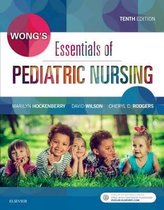
Test Bank Manual For Wong's Essentials Of Pediatric Nursing 10Th Edition By Marilyn J. Hockenberry Latest Updated, A+Graded (Chapter 1-30)
Table of Contents Chapter 08: Health Problems of Newborns Chapter 09: Health Promotion of the Infant and Family Chapter 10: Health Problems of Infants Chapter 11: Health Promotion of the Toddler and Family Chapter 12: Health Promotion of the Preschooler and Family Chapter 13: Health Problems of Toddlers and Preschoolers Chapter 14: Health Promotion of the School-Age Child and Family Chapter 15: Health Promotion of the Adolescent and Family Chapter 16: Health Problems of School-Age Children and Adolescents Chapter 17: Quality of Life for Children Living with Chronic or Complex Diseases Chapter 18: Impact of Cognitive or Sensory Impairment on the Child and Family Chapter 19: Family-Centered Care of the Child During Illness and Hospitalization Chapter 20: Pediatric Variations of Nursing Interventions Chapter 21: The Child with Respiratory Dysfunction Chapter 22: The Child with Gastrointestinal Dysfunction Chapter 23: The Child with Cardiovascular Dysfunction Chapter 24: The Child with Hematologic or Immunologic Dysfunction Chapter 25: The Child with Cancer Chapter 26: The Child with Genitourinary Dysfunction Chapter 27: The Child with Cerebral Dysfunction Chapter 28: The Child with Endocrine Dysfunction Chapter 29: The Child with Musculoskeletal or Articular Dysfunction Chapter 30: The Child with Neuromuscular or Muscular Dysfunction 115 137 148 157 168 175 189 196 203 216 228 240 253 268 283 300 314 329 357 369 384 393 405 Test Bank - Wong's Essentials of Pediatric Nursing (10th Edition by Hockenberry) 4 Chapter 01: Perspectives of Pediatric Nursing MULTIPLE CHOICE 1. A nurse is planning a teaching session for parents of preschool children. Which statement explains why the nurse should include information about morbidity and mortality? a. Life-span statistics are included in the data. b. It explains effectiveness of treatment. c. Cost-effective treatment is detailed for the general population. d. High-risk age groups for certain disorders or hazards are identified. ANS: D Analysis of morbidity and mortality data provides the parents with information about which groups of individuals are at risk for which health problems. Life-span statistics is a part of the mortality data. Treatment modalities and cost are not included in morbidity and mortality data. PTS: 1 DIF: Cognitive Level: Apply REF: 6 TOP: Integrated Process: Nursing Process: Planning MSC: Area of Client Needs: Health Promotion and Maintenance 2. A clinic nurse is planning a teaching session about childhood obesity prevention for parents of school-age children. The nurse should include which associated risk of obesity in the teaching plan? a. Type I diabetes b. Respiratory disease c. Celiac disease d. Type II diabetes ANS: D Childhood obesity has been associated with the rise of type II diabetes in children. Type I diabetes is not associated with obesity and has a genetic component. Respiratory disease is not associated with obesity, and celiac disease is the inability to metabolize gluten in foods and is not associated with obesity. PTS: 1 DIF: Cognitive Level: Apply REF: 3 TOP: Integrated Process: Nursing Process: Planning MSC: Area of Client Needs: Health Promotion and Maintenance 3. Which is the leading cause of death in infants younger than 1 year? a. Congenital anomalies b. Sudden infant death syndrome c. Respiratory distress syndrome d. Bacterial sepsis of the newborn ANS: A Congenital anomalies account for 20.1% of deaths in infants younger than 1 year. Sudden infant death syndrome accounts for 8.2% of deaths in this age group. Respiratory distress syndrome accounts for 3.4% of deaths in this age group. Infections specific to the perinatal period account for 2.7% of deaths in this age group PTS: 1 DIF: Cognitive Level: Remember REF: 7 TOP: Integrated Process: Nursing Process: Assessment MSC: Area of Client Needs: Health Promotion and Maintenance 4. Which leading cause of death topic should the nurse emphasize to a group of African-American boys ranging in ages 15 to 19 years? a. Suicide b. Cancer c. Firearm homicide d. Occupational injuries ANS: C
Document information
- Uploaded on
- December 10, 2023
- Number of pages
- 414
- Written in
- 2023/2024
- Type
- Exam (elaborations)
- Contains
- Questions & answers


