

NR 503 Final Rated 100% Correct!!
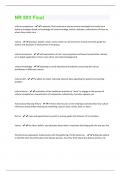
cultural competence - a dynamic, fluid continuous process where meaningful and useful care delivery strategies based on knowledge of cultural heritage, beliefs, attitudes, and behavior of those to whom they render care culture - practices, beliefs, values, norms which can be learned or shared and which guide the actions and decisions of each person in the group cultural awareness - self-examination of one's own prejudices and biases toward other cultures, an in-depth exploration of one's own ethnic and cultural background cultural knowledge - obtaining a sound educational foundation concerning the various worldviews of different cultures cultural skill - the ability to collect culturally relevant data regarding the patient's presenting problem. cultural desire - motivation of the healthcare provider to "want" to engage in the process of cultural competence, characteristics of compassion, authenticity, humility, openess, etc. Transcultural Nursing Theory - A theory that focuses on the individual and describes how culture influences and provides meaning to everything a person does, thinks, feels, or hears. Norms - rules and expectations by which a society guides the behavior of its members Values - the ideas, beliefs, and attitudes about what is important that help guide the way you live The Kleinman explanatory model assists with the gathering of information by: - asking the patient to identify what they think about the disease process, how they think about the disease process, economic status - status in society based on level of education, income, and occupational prestige Disparities in health - inequity in social structures based on characteristics; historically linked to discrimination
Document information
- Uploaded on
- September 10, 2023
- Number of pages
- 4
- Written in
- 2023/2024
- Type
- Exam (elaborations)
- Contains
- Questions & answers


