

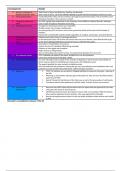
Development Details
1) Speech to Chamber of Skilful blend of threat and flattering, Cajoling, and boasting.
deputies November 1924 Won a vote of 306 to 116 in the Chamber deputies to grant Mussolini emergency powers for a year.
2) Fascist grand council Created December 1922, role was to discuss and approve government policy. The 22 members were
elected by Mussolini + they met once a month
3) Merging of squads and Jan 1923, squads were formed into a new Voluntary Fascist Milita for National Security. Members
Milita took an oath of loyalty to Mussolini not the king.
4) The Acerbo Law 1923 Changed the old electoral system but retained PR.
Divided country into 15 large constituencies
Any party gaining 25% of votes or more to be granted two thirds of the seats in the Chamber of
Deputies
Passed with a comfortable majority despite opposition of socialists, communists, and some liberals.
5) The merger of Fascist and Helped ensure fascist victory in upcoming elections.
Nationalist Parties Feb In the electoral list only 150 of them 350 names were not part of fascists, many liberals tried to get
1923 on the fascist ideology believing it was the best way to maintain their power.
6) The Elections April 1924 Atmosphere of intimidation and violence.
Antonio Piccinni, PSI candidate killed during campaign
Evidence of vote rigged and corruption
Milita present at voting booths.
Won an astounding victory 66.3% of vote, increased fascist deputies from 35 to 275
7) The Matteotti Murder 1924, Matteotti was seized in the street, bundled into a car and murdered.
Crime was carried out by fascist gang, ‘Cheka’
8) The aftermath of Matteotti Jan 1925, Mussolini made a speech to the chamber of deputies in which he took responsibility for
fascist violence whilst not admitting any involvement in the Matteotti murder.
The speech signalled the move towards a totalitarian state.
June 100 antifascist left parliament, claiming the gov was unconstitutional and established their own
parliament on the Aventine hill outside Rome. Called ‘Aventine secession’
9) Repression 1925, Tito Zaniboni was arrested for allegedly plotting to assassinate Mussolini = banning of
the PSU
Following an assassination attempt against Mussolini Oct 1926, he bans all political parties
apart from the PNF.
Special Tribunal for the Defence of the State was set up for the prosecution of anti-fascists.
Communist banned from parliament and their leader, Antonio Gramsci was arrested.
10) Constitutional New press law which meant all journalism had to be supervised and approved by the state
amendments 1926, given the power to rule by decree
Abolished local governments and replaced mayors with a new position called the Podesta,
who would be appointed by local prefects, who were appointed by Mussolini
New law giving government power to sack any public employee whose actions were hostile
to PNF
Mussolini’s consolidation of power 1922-26
1) Speech to Chamber of Skilful blend of threat and flattering, Cajoling, and boasting.
deputies November 1924 Won a vote of 306 to 116 in the Chamber deputies to grant Mussolini emergency powers for a year.
2) Fascist grand council Created December 1922, role was to discuss and approve government policy. The 22 members were
elected by Mussolini + they met once a month
3) Merging of squads and Jan 1923, squads were formed into a new Voluntary Fascist Milita for National Security. Members
Milita took an oath of loyalty to Mussolini not the king.
4) The Acerbo Law 1923 Changed the old electoral system but retained PR.
Divided country into 15 large constituencies
Any party gaining 25% of votes or more to be granted two thirds of the seats in the Chamber of
Deputies
Passed with a comfortable majority despite opposition of socialists, communists, and some liberals.
5) The merger of Fascist and Helped ensure fascist victory in upcoming elections.
Nationalist Parties Feb In the electoral list only 150 of them 350 names were not part of fascists, many liberals tried to get
1923 on the fascist ideology believing it was the best way to maintain their power.
6) The Elections April 1924 Atmosphere of intimidation and violence.
Antonio Piccinni, PSI candidate killed during campaign
Evidence of vote rigged and corruption
Milita present at voting booths.
Won an astounding victory 66.3% of vote, increased fascist deputies from 35 to 275
7) The Matteotti Murder 1924, Matteotti was seized in the street, bundled into a car and murdered.
Crime was carried out by fascist gang, ‘Cheka’
8) The aftermath of Matteotti Jan 1925, Mussolini made a speech to the chamber of deputies in which he took responsibility for
fascist violence whilst not admitting any involvement in the Matteotti murder.
The speech signalled the move towards a totalitarian state.
June 100 antifascist left parliament, claiming the gov was unconstitutional and established their own
parliament on the Aventine hill outside Rome. Called ‘Aventine secession’
9) Repression 1925, Tito Zaniboni was arrested for allegedly plotting to assassinate Mussolini = banning of
the PSU
Following an assassination attempt against Mussolini Oct 1926, he bans all political parties
apart from the PNF.
Special Tribunal for the Defence of the State was set up for the prosecution of anti-fascists.
Communist banned from parliament and their leader, Antonio Gramsci was arrested.
10) Constitutional New press law which meant all journalism had to be supervised and approved by the state
amendments 1926, given the power to rule by decree
Abolished local governments and replaced mayors with a new position called the Podesta,
who would be appointed by local prefects, who were appointed by Mussolini
New law giving government power to sack any public employee whose actions were hostile
to PNF
Mussolini’s consolidation of power 1922-26


