

Women in Germany 1918-1989 PROGRESSIVE TRADITIONAL
Nov 1918, unexpectedly the emergency However, Reichstag was split on the role
WIEMAR 1918 – 1933 government gave women the vote all of women.
political parties taking part in the election Trade unions were strong, and male
wanted the women’s vote + the turnout of dominated, hated women workers
women in the first election was 90%, in because they could be double earners –
Overall = attempts of progression but total 112 women were elected to the opposed all equal pay and conditions for
massively held back by traditionalist views of the Reichstag between 1919 and 1932. women who worked
public and politicians. Only small groups in Article 109, marriage should be an equal 30th May 1932, Bruning passed a decree
society such as the ‘new women’ and union and women should be able to enter for the dismissal of married women in
film/advertisers openly supported the more the professions – (however did not government service if they had husbands
progressive values of the role of women. change the legal status of women under who were earning – also happened in
the civil code.) privately owned industries. (depression)
1932, 46% of men were unemployed
Not progressive, by 1932 women were not compared to 33% of women following the In 1920s, a workplace were women and
equal to men in the workplace and were heavily depression (women were cheaper to men had the same job, women on
criticised to being more independent and not employ) average were paid 33% less.
wanting to settle into the traditional ‘Kinder, Was possible for women to progress in
Kuche, Kirche’ lifestyle. education; 251 lawyers 1933 + between Faced hostility and discrimination from
1925 – 1933 the number of female male colleagues; school day was
doctors had almost doubled and reached structured to end at lunchtime so had to
5,000. find childcare or work from home.
Advertising film industries LOVED the 1925, over a quarter of a million women
‘new women’ emerging in the 1920s + were doing poorly paid work from home
produced glorified images of so they could look after children.
emancipated (free from restraint and Journalist Heinrich Jacob – new women
control), achieving, good-time girls that were wrong to try for economic equality
these ‘new women’ were trying to live up and copying male independence because
to. it would cause the ‘downfall of society’
(opinion of politicians and media
criticising this progression)
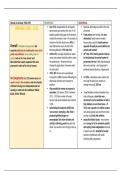
Nov 1918, unexpectedly the emergency However, Reichstag was split on the role
WIEMAR 1918 – 1933 government gave women the vote all of women.
political parties taking part in the election Trade unions were strong, and male
wanted the women’s vote + the turnout of dominated, hated women workers
women in the first election was 90%, in because they could be double earners –
Overall = attempts of progression but total 112 women were elected to the opposed all equal pay and conditions for
massively held back by traditionalist views of the Reichstag between 1919 and 1932. women who worked
public and politicians. Only small groups in Article 109, marriage should be an equal 30th May 1932, Bruning passed a decree
society such as the ‘new women’ and union and women should be able to enter for the dismissal of married women in
film/advertisers openly supported the more the professions – (however did not government service if they had husbands
progressive values of the role of women. change the legal status of women under who were earning – also happened in
the civil code.) privately owned industries. (depression)
1932, 46% of men were unemployed
Not progressive, by 1932 women were not compared to 33% of women following the In 1920s, a workplace were women and
equal to men in the workplace and were heavily depression (women were cheaper to men had the same job, women on
criticised to being more independent and not employ) average were paid 33% less.
wanting to settle into the traditional ‘Kinder, Was possible for women to progress in
Kuche, Kirche’ lifestyle. education; 251 lawyers 1933 + between Faced hostility and discrimination from
1925 – 1933 the number of female male colleagues; school day was
doctors had almost doubled and reached structured to end at lunchtime so had to
5,000. find childcare or work from home.
Advertising film industries LOVED the 1925, over a quarter of a million women
‘new women’ emerging in the 1920s + were doing poorly paid work from home
produced glorified images of so they could look after children.
emancipated (free from restraint and Journalist Heinrich Jacob – new women
control), achieving, good-time girls that were wrong to try for economic equality
these ‘new women’ were trying to live up and copying male independence because
to. it would cause the ‘downfall of society’
(opinion of politicians and media
criticising this progression)


