

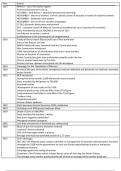
Year Events
1917 MARCH – fall of the tsarist regime
Provisional government set up
OCTOBER – land decree = abolished private land ownership
NOVEMBER – decree of workers’ control: placed control of factories in hands of industrial workers
NOVEMBER – Bolsheviks seize power
NOVEMBER – ban on all non-socialist newspapers
27 DEC all private banks were nationalised.
DEC – supreme council of National Economy (Vesenkha) set up to supervise the economy
Party membership was at 300,000 at the end of 1917
Land decree on worker’s control
Establishment of the Commissariat of Enlightenment
1918 Treaty of Brest-Litovsk (Russia pulls out of first world war)
Start of the Russian civil war
MARCH Bolshevik party renamed itself the Communist party
War Communism introduced
JUNE nationalisation of all industries with ten or more workers
Decree on freedom of conscience
Soviet Constitution gives men and women equality under the law
Church schools taken over by the state
Russian civil war: women conscripted into the workplace
1919 Campaign for the ‘liquidation of illiteracy’
1920 By end of the year all the White strongholds had been defeated and Bolshevik rule had been extended
across country
1921 NEP introduced
During first three months 5,000 Mensheviks were arrested
Party membership had grown to 730,000
Kronstadt mutiny
Development of voice radio in the USSR
Industrial product was only one fifth of the 1913 figure
Food production had fallen to only 48% of the 1913 figure
Tambov rising
Prolekult promoted
Serious cholera epidemic
1922 Stalin becomes General Secretary USSR established
1923 28 bishops and 1000 priests had been killed
1924 Death of Lenin in JANUARY
Party membership reached 1 million
Red Sport magazine established
Petrograd renamed Leningrad
1925 Less than one percent of farmland was collectivised
1926 Much of pre-war economy had been restored
‘postcard’ divorces allowed
50% of all marriages ended in divorce
Average child had only attended school for 2.77 years
1927 Grain shortages
DEC 1927 the fifteenth party congress decided on a programme of voluntary collectivisation, but food
shortages by 1928 led the government to carry out forced requisitioning of grain as temporary
emergency measure.
Campaign against the veiling of women
Eisenstein’s film October which showed heroic vision of storming the Winter Palace
The average soviet worker produced only half of what an average British worker produced
, Marriage weakened further when new marriage law gave equals status under the law to registered
and unregistered marriages, those where couples lived together as a family but had not formally
registered their union with the authorities
1928 Stalin launches first five-year plan focus on heavy industry
Cultural revolution launched
Shakhty trial = when managers and technical expers put on trial for holding up industrialisation
Wave of attacks on the Church begins alongside collectivisation
11.6 million employed
Number of doctors in 70,000
3million female workers
Forced collectivisation of agriculture removed many teachers from village schools
1929 Bukharin forced to admit errors of political judgement in APRIL
There were only 25 people living at Magnitogorsk
League of the Militant Godless established
Government reserved 20% of higher education places for women an increase from 14%
The government attempted to widen participation in higher education by dropping requirements for
entry and they introduced quota system, whereby 70% of places in higher education had to be
allocated to those with a working-class origin.
Komsomol membership at 2.3 million
1930 Gulag set up – system of labour camps expanded
Stalingrad tractor factory was supposed to be producing 500 a month but in June only 8 had been
made.
Government announced full employment achieved
OCT – unemployment benefit was cancelled due to full employment
Party closed down Zhenotdel claiming that women’s issues had been solved
1931 Differences in wage between skilled and unskilled workers were increased in an attempt to reward
skilled and stop them from moving jobs
Harsh punishments were introduced for absent workers in key industries
30 million in education
1932 Ryutin issued a document to members of the central committee that was highly critical of Stalin,
accusing him of a personal dictatorship.
250,000 people now lived at Magnitogorsk
By 1932 White Sea Canal project employed 180,000
62% of peasant households had been collectivised
Cultural revolution ends
Kataev’s novel ‘time forward’ = story of Magnitogorsk
Announced that RAPP would be closed down and replaced by a new Union of Soviet Writers =
bringing Cultural Revolution to an end
Labour shortages
Internal passport was needed to change jobs
Women made up 16% of party membership
1933 Second five-year plan – initially set higher targets for the production of consumer goods
Only 17% of workforce in Moscow was skilled
Famine related deaths at 4 million
1934 Kirov murdered
Secret police reformed as the NKVD when it merged with the OGPU and Yagoda became head of
secret police.
Congress of Writers launches promotion of Socialist Realism
Start of Stalin’s ‘Great Retreat’ restoration of traditional attitudes, return to traditional subjects and
school routines in education
Use of piecework was expanded
1935 22% of party had been removed from their posts
1917 MARCH – fall of the tsarist regime
Provisional government set up
OCTOBER – land decree = abolished private land ownership
NOVEMBER – decree of workers’ control: placed control of factories in hands of industrial workers
NOVEMBER – Bolsheviks seize power
NOVEMBER – ban on all non-socialist newspapers
27 DEC all private banks were nationalised.
DEC – supreme council of National Economy (Vesenkha) set up to supervise the economy
Party membership was at 300,000 at the end of 1917
Land decree on worker’s control
Establishment of the Commissariat of Enlightenment
1918 Treaty of Brest-Litovsk (Russia pulls out of first world war)
Start of the Russian civil war
MARCH Bolshevik party renamed itself the Communist party
War Communism introduced
JUNE nationalisation of all industries with ten or more workers
Decree on freedom of conscience
Soviet Constitution gives men and women equality under the law
Church schools taken over by the state
Russian civil war: women conscripted into the workplace
1919 Campaign for the ‘liquidation of illiteracy’
1920 By end of the year all the White strongholds had been defeated and Bolshevik rule had been extended
across country
1921 NEP introduced
During first three months 5,000 Mensheviks were arrested
Party membership had grown to 730,000
Kronstadt mutiny
Development of voice radio in the USSR
Industrial product was only one fifth of the 1913 figure
Food production had fallen to only 48% of the 1913 figure
Tambov rising
Prolekult promoted
Serious cholera epidemic
1922 Stalin becomes General Secretary USSR established
1923 28 bishops and 1000 priests had been killed
1924 Death of Lenin in JANUARY
Party membership reached 1 million
Red Sport magazine established
Petrograd renamed Leningrad
1925 Less than one percent of farmland was collectivised
1926 Much of pre-war economy had been restored
‘postcard’ divorces allowed
50% of all marriages ended in divorce
Average child had only attended school for 2.77 years
1927 Grain shortages
DEC 1927 the fifteenth party congress decided on a programme of voluntary collectivisation, but food
shortages by 1928 led the government to carry out forced requisitioning of grain as temporary
emergency measure.
Campaign against the veiling of women
Eisenstein’s film October which showed heroic vision of storming the Winter Palace
The average soviet worker produced only half of what an average British worker produced
, Marriage weakened further when new marriage law gave equals status under the law to registered
and unregistered marriages, those where couples lived together as a family but had not formally
registered their union with the authorities
1928 Stalin launches first five-year plan focus on heavy industry
Cultural revolution launched
Shakhty trial = when managers and technical expers put on trial for holding up industrialisation
Wave of attacks on the Church begins alongside collectivisation
11.6 million employed
Number of doctors in 70,000
3million female workers
Forced collectivisation of agriculture removed many teachers from village schools
1929 Bukharin forced to admit errors of political judgement in APRIL
There were only 25 people living at Magnitogorsk
League of the Militant Godless established
Government reserved 20% of higher education places for women an increase from 14%
The government attempted to widen participation in higher education by dropping requirements for
entry and they introduced quota system, whereby 70% of places in higher education had to be
allocated to those with a working-class origin.
Komsomol membership at 2.3 million
1930 Gulag set up – system of labour camps expanded
Stalingrad tractor factory was supposed to be producing 500 a month but in June only 8 had been
made.
Government announced full employment achieved
OCT – unemployment benefit was cancelled due to full employment
Party closed down Zhenotdel claiming that women’s issues had been solved
1931 Differences in wage between skilled and unskilled workers were increased in an attempt to reward
skilled and stop them from moving jobs
Harsh punishments were introduced for absent workers in key industries
30 million in education
1932 Ryutin issued a document to members of the central committee that was highly critical of Stalin,
accusing him of a personal dictatorship.
250,000 people now lived at Magnitogorsk
By 1932 White Sea Canal project employed 180,000
62% of peasant households had been collectivised
Cultural revolution ends
Kataev’s novel ‘time forward’ = story of Magnitogorsk
Announced that RAPP would be closed down and replaced by a new Union of Soviet Writers =
bringing Cultural Revolution to an end
Labour shortages
Internal passport was needed to change jobs
Women made up 16% of party membership
1933 Second five-year plan – initially set higher targets for the production of consumer goods
Only 17% of workforce in Moscow was skilled
Famine related deaths at 4 million
1934 Kirov murdered
Secret police reformed as the NKVD when it merged with the OGPU and Yagoda became head of
secret police.
Congress of Writers launches promotion of Socialist Realism
Start of Stalin’s ‘Great Retreat’ restoration of traditional attitudes, return to traditional subjects and
school routines in education
Use of piecework was expanded
1935 22% of party had been removed from their posts


